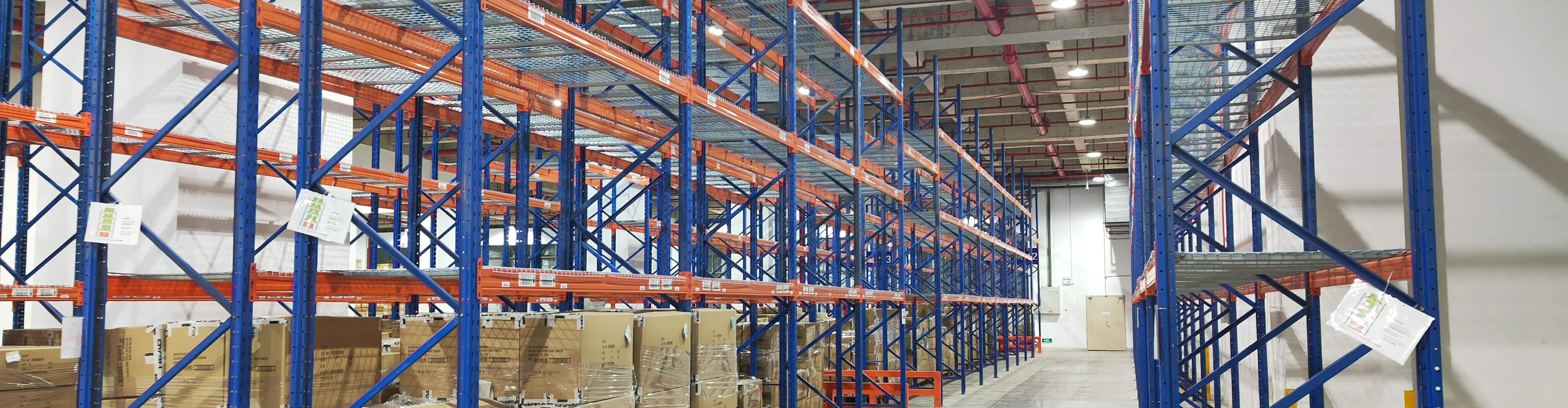
For high-density storage areas, the right heavy duty metal shelving is the system that matches load weight, SKU profile, picking method, aisle space, and future growth without creating access or safety problems. There is no single shelving type that suits every operation. In practice, the best choice depends on whether your warehouse needs dense carton storage, archive retention, parts picking, bin storage, or a mix of reserve and active inventory.
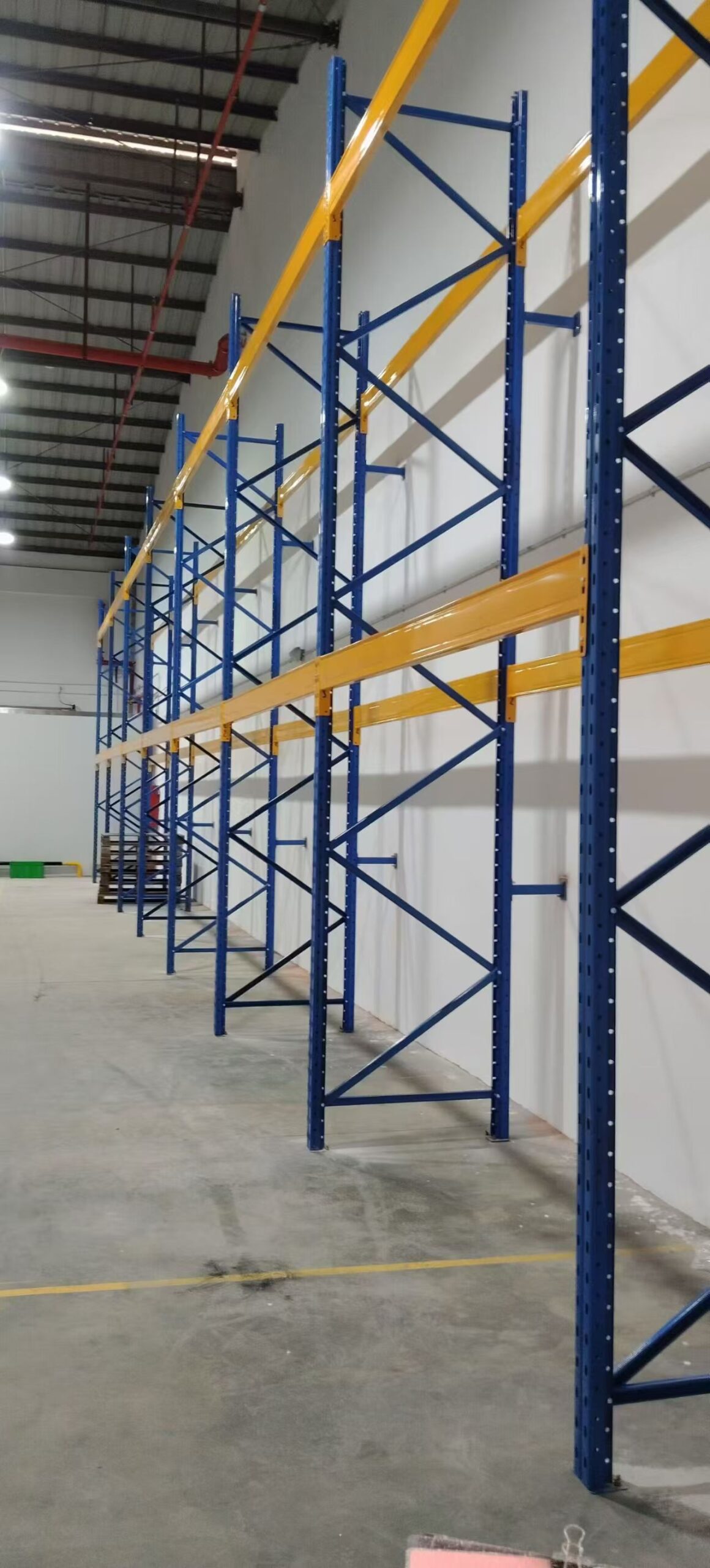
This guide explains how to evaluate heavy duty metal shelving for dense storage environments, what buyers should compare before purchasing, and where each shelving approach works well or becomes less efficient.
What buyers should expect from heavy duty metal shelving in dense storage areas
Heavy duty metal shelving is generally used where standard office shelving or light commercial shelving is not adequate for load capacity, daily handling, or industrial wear. In high-density storage areas, the system needs to do more than simply hold weight. It must also support efficient replenishment, safe picking, clear load visibility, and consistent access to stock.
For most industrial buyers, the main decision is not just shelf strength. It is whether the shelving layout can increase storage density without slowing picking, creating congestion, or making inspections harder.
A suitable system should help you balance five core needs:
- High storage capacity within limited floor space
- Safe support for product weight and shelf loading patterns
- Practical access for picking, replenishment, or both
- Compatibility with the building height and floor condition
- Flexibility for SKU changes and future expansion
How to choose the best heavy duty metal shelving for your operation
When buyers search for the best heavy duty metal shelving, they are usually comparing solutions for a specific warehouse problem: too many SKUs, not enough floor space, poor picking efficiency, or disorganized reserve stock. The right selection starts with operational facts, not catalog features.
1. Define what is actually being stored
Start with the product itself. Shelving used for cartons, spare parts, tools, archives, plastic bins, or irregular components will be planned differently from shelving used for palletized loads. If your inventory includes many small or medium SKUs that need hand picking, heavy duty metal shelving can be more practical than pallet racking because it offers direct product access at shelf level.
However, if most inventory moves by pallet and forklift, standard shelving may not be the most efficient primary system. In that case, shelving often works better as a picking or split-case area alongside pallet racking rather than replacing it.
2. Review load requirements level by level
One common buying mistake is evaluating total bay capacity without checking how weight is distributed on each shelf. Dense storage areas often create uneven loading because fast-moving products are replenished more often and operators do not always place stock evenly.
Before selecting heavy duty metal shelving, review:
- Weight per shelf level
- Total bay load
- Point loads versus evenly distributed loads
- Product dimensions and overhang
- Whether loads are static or frequently moved
This matters because a shelving system that looks strong enough in general may become unsuitable if your stock is compact, dense, and concentrated in small areas.
3. Match shelving to the picking method
High-density storage only works if operators can still reach and identify stock efficiently. If the area is used for manual picking, shelf depth, shelf height, bay width, and labeling become just as important as structural strength.
For example, very deep shelves may improve theoretical density but reduce pick visibility and increase handling time. Very tall shelving may add capacity, but if upper levels require ladders, platforms, or mezzanine access, the effect on labor speed and safety must be considered early.
4. Check how much aisle reduction is realistic
Many buyers try to increase density by reducing aisle width. That can work, but only if the operation still allows safe movement of people, carts, ladders, and replenishment equipment. In dense shelving zones, narrow aisles can quickly become bottlenecks during peak picking periods.
If the area has frequent two-way traffic, replenishment during live picking, or mixed pedestrian and equipment movement, an aggressive density plan may reduce throughput instead of improving it.
Common types of heavy duty metal shelving used in high-density areas
Longspan shelving
Longspan heavy duty metal shelving is often the most practical choice for carton storage, archive boxes, parts, and hand-loaded inventory. It is widely used because it can handle heavier loads than light shelving while remaining accessible for manual picking.
Where it works well:
- Medium to heavy cartons
- Mixed SKU storage
- Backroom and warehouse picking areas
- Storage zones that need shelf adjustability
Advantages:
- Good balance between strength and accessibility
- Flexible shelf heights for changing products
- Suitable for hand-loaded operations
- Can be integrated with multi-tier layouts in some facilities
Limitations:
- Less suitable for full-pallet storage
- Density gains are limited if aisle planning is poor
- Can become cluttered if SKU control is weak
Boltless industrial shelving
Boltless heavy duty metal shelving is often selected where buyers want relatively quick installation and easy shelf adjustment. It can be useful for stockrooms, spare parts storage, and moderate-density picking areas where inventory profiles change often.
Where it works well:
- Changing SKU mixes
- Maintenance stores and parts rooms
- Manual storage with bins or cartons
Advantages:
- Fast reconfiguration
- Practical for operations that frequently reset shelf spacing
- Clean layout for item visibility
Limitations:
- Not every boltless system is equally suitable for truly heavy industrial loads
- May be less appropriate in rough handling environments
- Needs careful review if bays are tall or heavily loaded
Closed panel or steel shelf systems
Steel shelf heavy duty metal shelving with solid shelf panels is often preferred where small items, loose components, or cartons need a flat and consistent storage surface. This can improve housekeeping and reduce product instability compared with wire or open designs.
Where it works well:
- Small parts and component storage
- Carton picking operations
- Areas where stock cleanliness matters
Advantages:
- Better support for smaller items
- Clean presentation and easier labeling
- Useful for organized high-SKU environments
Limitations:
- May reduce airflow compared with more open shelf designs
- Can encourage overloading if shelf capacities are not clearly marked
Multi-tier shelving systems
Where floor space is tight but ceiling height is available, multi-tier heavy duty metal shelving can significantly increase storage density. These systems create additional picking levels above the ground floor and are often used for high-SKU manual operations.
Where it works well:
- E-commerce and parts distribution
- Facilities with limited footprint but good vertical clearance
- Operations with many small to medium items
Advantages:
- Makes better use of building height
- Improves storage density without relying only on narrower aisles
- Can separate SKU categories by level or zone
Limitations:
- Requires careful planning for stairs, walkways, and loading points
- Not ideal for every replenishment method
- Can complicate supervision, housekeeping, and maintenance access
When heavy duty metal shelving is the right choice
Heavy duty metal shelving is usually a strong fit for high-density areas when the operation involves hand-loaded inventory, many SKUs, moderate to heavy shelf loads, and a need for direct access to each item location. It is especially useful when pallet racking would leave too much wasted vertical space between beam levels for smaller products.
It is often a good choice when:
- You store cartons, bins, tools, parts, or archive materials
- You need direct access to many SKU locations
- You want adjustable shelf heights
- You are building a picking area rather than a full-pallet reserve area
- You need to improve cube utilization in a manual storage zone
When heavy duty metal shelving may be the wrong choice
Not every dense storage problem should be solved with heavy duty metal shelving. Buyers should be cautious if the operation is dominated by pallets, heavy forklift interaction, or very high throughput replenishment that requires rapid machine access.
It may be less suitable when:
- Most stock is stored and moved as pallets
- Forklift handling is constant within the storage zone
- Products are extremely heavy or awkward to hand-load safely
- The facility needs deep-lane density rather than shelf-level access
- Inventory turnover is so high that manual shelving becomes labor-intensive
In these cases, pallet racking, flow systems, or a hybrid layout may be more efficient than relying mainly on shelving.
Practical planning factors buyers often underestimate
Ceiling height and usable vertical space
Available height does not automatically translate into usable shelving capacity. Lighting, sprinklers, ducting, roof slope, and safe picking reach all affect how high heavy duty metal shelving should go. Buyers sometimes design for maximum height and then discover the upper levels are inefficient to use.
Floor condition and anchoring
Dense shelving concentrates load over a relatively compact footprint. Uneven floors can affect alignment, bay stability, and long-term performance. Before installation, check floor flatness, slab condition, and anchoring requirements appropriate to the shelving design and local site conditions.
SKU growth and re-slotting
A shelving system that fits current inventory may become inefficient if SKU count rises or product dimensions change. This is common in spare parts, aftermarket, retail support, and mixed distribution operations. Buyers should plan some spare capacity and leave room for re-slotting rather than filling every bay at day one.
Labeling and location control
High-density storage fails quickly when location control is poor. Even strong heavy duty metal shelving becomes inefficient if bays are not clearly labeled, shelf levels are inconsistent, and replenishment practices are not disciplined. Good storage density should improve inventory control, not hide stock.
Safety, inspection, and maintenance considerations
Any heavy duty metal shelving used in dense areas should be checked regularly for damage, overloading, loose components, shelf deflection, and impact from carts or handling equipment. Dense layouts can make visual inspection harder, especially at rear uprights, corners, and end frames.
At a practical level, warehouse teams should monitor:
- Visible frame or upright damage
- Loose clips, connectors, or fasteners where applicable
- Shelves bowing under load
- Missing load notices or unclear capacity marking
- Blocked aisles and poor housekeeping
- Improper stock overhang or unstable stacking on shelves
Inspection frequency should reflect the intensity of use. A quiet archive area and an active picking zone do not face the same wear profile.
How to compare suppliers and system proposals
When comparing heavy duty metal shelving options, buyers should look beyond price per bay. A lower initial quote can become more expensive if the system wastes space, limits access, or requires early modification.
Useful comparison points include:
- Load suitability for your actual products
- Shelf adjustability and add-on flexibility
- Compatibility with bins, dividers, or accessories
- Layout efficiency within your building footprint
- Ease of inspection and maintenance access
- Lead time, installation scope, and future expansion options
Ask suppliers to explain how the proposed shelving supports your workflow, not just how much weight it can hold. For dense storage, layout logic is often more important than isolated component strength.
A simple decision framework for high-density shelving selection
If you are choosing heavy duty metal shelving for a dense storage area, use this sequence:
- Identify whether the area is for picking, reserve stock, or mixed use.
- List product sizes, weights, and the number of active SKUs.
- Confirm whether stock is handled by hand, cart, ladder, or equipment.
- Measure real usable height, not just clear building height.
- Test aisle width assumptions against live workflow.
- Review level loads and total bay loads separately.
- Allow capacity for growth, re-slotting, and maintenance access.
- Choose the shelving style that supports both storage density and daily usability.
FAQ
What is the best heavy duty metal shelving for small-item warehouse storage?
For many small-item and carton-based operations, longspan or steel shelf heavy duty metal shelving is often a practical choice because it provides direct access, adjustable levels, and good use of vertical space.
Can heavy duty metal shelving replace pallet racking?
Sometimes, but not always. If inventory is mainly hand-loaded and picked by item or carton, shelving can be more efficient. If most stock moves as full pallets, pallet racking is usually more suitable.
How do I increase density without hurting picking speed?
Focus on slotting, shelf spacing, vertical use, and sensible aisle reduction. More density is not automatically better if operators lose visibility, travel farther, or struggle to replenish safely.
Is multi-tier shelving worth considering?
Yes, if your facility has usable height and a high-SKU manual picking operation. It is less attractive where inventory is bulky, turnover is low, or replenishment to upper levels is difficult.
Final takeaway
The best heavy duty metal shelving for high-density storage areas is the system that improves space use without reducing access, control, or safety. For many warehouses, that means choosing shelving based on SKU profile, shelf loads, picking method, and building constraints rather than chasing the highest possible density on paper. A well-planned shelving layout should store more, support daily work, and remain manageable as inventory changes over time.