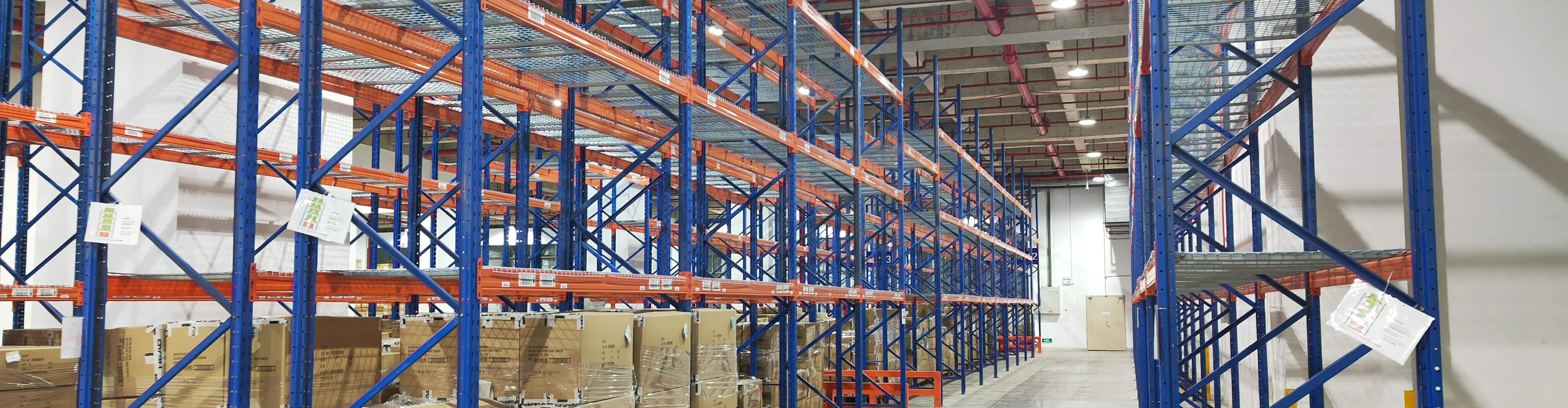
A heavy duty storage rack is designed to carry substantial loads safely while improving space use, stock organization, and handling efficiency in commercial and warehouse environments. For most buyers, the right solution depends less on the rack alone and more on how it fits pallet size, SKU profile, forklift movement, ceiling height, floor condition, and future expansion plans.
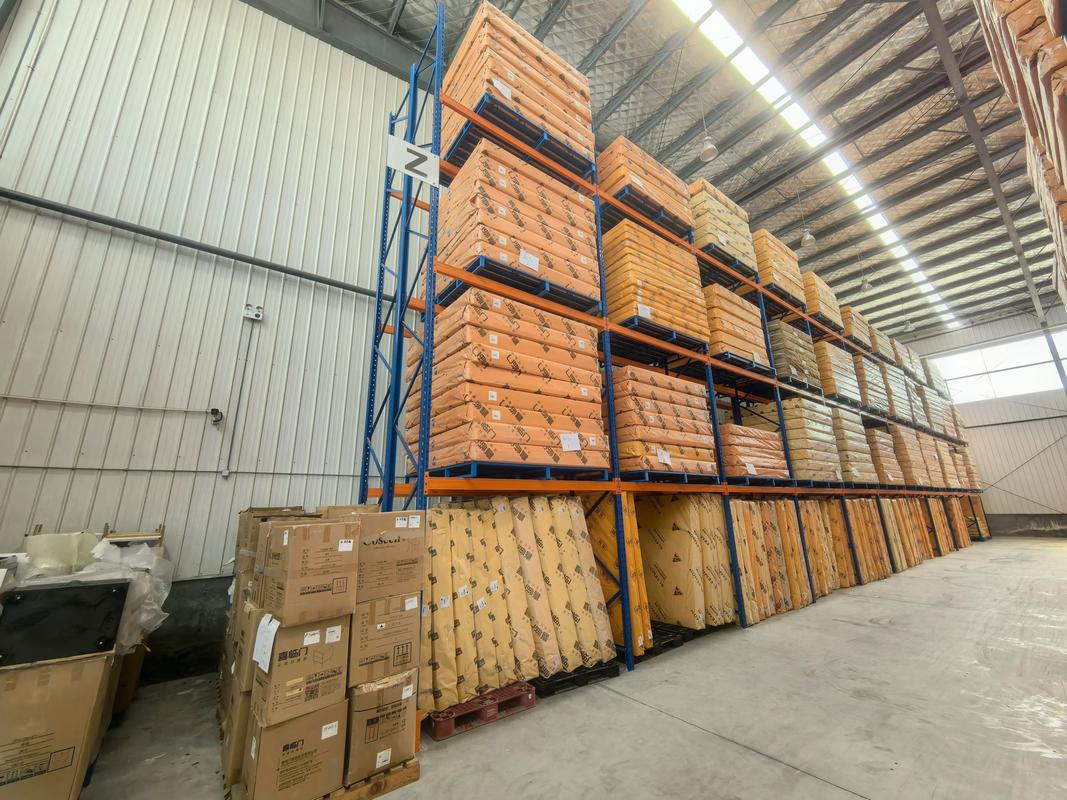
Heavy-duty storage is not one single product category. It can include pallet racking, longspan shelving, cantilever systems, and other industrial rack layouts built for higher load demands than light-duty shelving. The practical question is which configuration supports your operation without creating bottlenecks, damage risk, or wasted floor space.
What a heavy duty storage rack is used for
A heavy duty storage rack is commonly used where goods are too bulky, too heavy, or too operationally important for standard shelving. Typical applications include palletized inventory, carton storage for fast-moving goods, raw materials, spare parts, archive loads in industrial settings, and mixed commercial stock that requires structured storage with reliable load support.
In warehouse operations, these systems are often selected to achieve one or more of the following goals:
- Store heavier products safely at multiple levels
- Improve vertical space utilization
- Increase pallet or carton accessibility
- Separate reserve stock from picking stock
- Support forklift handling and organized replenishment
- Reduce floor clutter and improve operational control
The correct heavy duty storage rack can improve throughput and stock visibility. The wrong one can create access problems, damaged inventory, inefficient aisles, and poor use of cubic space.
Common heavy duty storage rack solutions
Selective pallet racking
Selective pallet racking is one of the most widely used heavy duty storage rack solutions for warehouses handling many SKUs with a need for direct access to each pallet position. It works well when inventory turnover is varied and operators need simple, visible access for put-away and retrieval.
Its main advantage is accessibility. Each pallet can generally be reached without moving another pallet first. That makes it practical for mixed inventory, changing stock profiles, and operations where stock control matters more than maximum density.
Its limitation is that it requires more aisle space than denser systems. If floor area is tight and the warehouse stores large volumes of the same SKU, other layouts may use space more efficiently.
Drive-in and drive-through racking
These systems are used when storage density is a higher priority than immediate access to every pallet. A forklift enters the rack structure to place or retrieve pallets from rails. This can be suitable for lower-SKU, higher-volume inventory where many pallets of the same product are stored together.
The trade-off is selectivity and handling complexity. This type of heavy duty storage rack can increase storage density, but it also demands disciplined forklift operation and careful stock rotation planning. It is less suitable for operations with many SKUs, frequent picking from multiple pallet locations, or a high risk of impact damage.
Longspan shelving
Longspan shelving is often chosen when loads are heavy but not necessarily palletized. It is common in back-of-house commercial storage, spare parts rooms, maintenance areas, e-commerce stockrooms, and mixed picking environments. It bridges the gap between standard shelving and pallet racking.
This heavy duty storage rack option is useful for hand-loaded items, cartons, bins, tools, and irregular inventory. It is not always the right choice for forklift-based pallet handling, but it can be very effective for manual access and organized medium-to-heavy stock storage.
Cantilever racking
Cantilever systems are used for long, awkward, or oversized materials such as pipes, timber, metal profiles, boards, or bars. Instead of front uprights blocking access, arms project outward to support the load.
This makes cantilever a practical heavy duty storage rack solution for products that do not sit well on standard pallet beams. However, it requires careful load placement, disciplined handling, and enough clear maneuvering space for safe loading and unloading.
Mezzanine-supported rack layouts
Where floor space is limited but clear height is available, heavy-duty rack systems may be integrated with mezzanine levels or multi-tier storage layouts. These are often considered when a business needs more storage positions without relocating.
The benefit is better use of building volume. The limitation is that planning becomes more complex. Access routes, picking flow, loading points, fire protection requirements, and floor loading all need early review before installation.
How to choose the right heavy duty storage rack
Choosing a heavy duty storage rack should start with the operation, not the catalog. Buyers often focus first on load capacity and dimensions, but layout efficiency and handling method usually have a larger day-to-day impact.
1. Define the load clearly
Start with what will actually be stored: pallet dimensions, pallet type, product weight, load stability, overhang, and whether loads are uniform or inconsistent. A rack that works well for standard wrapped pallets may be a poor fit for damaged pallets, loose cartons, or long products.
If the load profile is not clear at the planning stage, the risk of mis-sizing beam levels and bay widths increases. That can affect both safety and usable capacity.
2. Review handling equipment
Forklift type matters. Counterbalance trucks, reach trucks, stackers, and order pickers all require different aisle widths, turning clearances, and lift access. A heavy duty storage rack layout that looks efficient on paper can become difficult to use if the handling equipment does not match the aisle design.
It is also worth reviewing lift height limits, mast clearance, and whether operators will be handling full pallets only or mixed picking from lower levels.
3. Check building constraints
Ceiling height, column locations, sprinkler clearance, dock flow, door openings, and slab condition all affect rack suitability. In older buildings, floor flatness and floor load capacity can be especially important. A heavy duty storage rack performs properly only when the building can support the system and the operational clearances around it.
4. Match the rack to inventory behavior
High-SKU operations usually benefit from more direct access. Lower-SKU, high-volume operations may justify denser storage. If stock rotation is strict, the rack layout should support that. If replenishment and picking happen at the same time, traffic separation becomes more important.
In other words, the right heavy duty storage rack depends on how inventory moves, not just how much it weighs.
5. Plan for growth
Many storage projects are designed around current stock levels only. That often leads to early congestion or expensive modifications. A practical storage plan should consider whether SKU count may increase, whether pallet sizes may change, and whether additional bays or levels may be needed later.
Expansion planning does not always mean overspending upfront. It means avoiding a layout that leaves no realistic path for future adjustment.
Operational factors that affect storage performance
Aisle width and forklift access
A narrow layout can improve storage density, but only if trucks can operate safely and efficiently within it. If aisles are too tight for real operating conditions, productivity drops and rack damage tends to increase. Buyers should account for pallet overhang, operator tolerance, and traffic frequency rather than relying on theoretical minimum dimensions alone.
Picking versus reserve storage
Not every heavy duty storage rack should be used the same way at every level. Many warehouses work better when lower levels support picking access and upper levels hold reserve stock. This reduces unnecessary pallet movements and keeps fast-moving items accessible.
If all levels are treated as identical storage space, replenishment can become disruptive and picking accuracy may suffer.
Floor condition and anchoring
Even a well-designed heavy duty storage rack can perform poorly if the floor is uneven, cracked, or unsuitable for the intended loading and anchoring method. Floor condition affects installation quality, upright alignment, and long-term stability. This should be reviewed early, especially in older sites or converted industrial buildings.
Protection and impact risk
Forklift impact is one of the most common causes of rack damage. End-of-aisle barriers, upright protection, clear traffic markings, and operator discipline can reduce avoidable damage. In busy pallet handling areas, protection is not an optional extra. It is part of keeping the rack usable over time.
Common mistakes when specifying a heavy duty storage rack
- Choosing a system based only on maximum storage density without considering access requirements
- Ignoring actual pallet condition, overhang, or load inconsistency
- Using aisle dimensions that are too tight for the real truck and operator environment
- Failing to separate picking activity from bulk storage logic
- Overlooking floor condition, anchoring requirements, or clear height limitations
- Not planning for future SKU growth or layout changes
- Underestimating the need for rack protection and regular inspections
These mistakes are common because rack buying is often treated as a simple equipment purchase. In practice, a heavy duty storage rack is part of the operating system of the warehouse. If it is not aligned with stock flow and handling behavior, the cost appears later through inefficiency, damage, and rework.
Inspection, maintenance, and safe use
A heavy duty storage rack should be inspected routinely, especially in active forklift environments. Day-to-day checks can be simple: look for bent uprights, damaged beams, dislodged safety locks, missing anchors, overloaded levels, and signs of repeated impact. Housekeeping also matters, since blocked aisles and loose materials can increase collision risk.
Operational teams should know basic reporting rules. If damage is found, the area should be assessed promptly and stock handling around the affected section should be controlled until the issue is reviewed properly.
Maintenance priorities typically include:
- Checking visible structural damage
- Confirming beam connectors and safety components are in place
- Reviewing anchor condition and base area impact
- Keeping load notices and storage rules visible where applicable
- Ensuring pallets used on the rack are in suitable condition
- Replacing damaged protection barriers and guards
A heavy duty storage rack is only as safe as the way it is loaded, inspected, and protected during daily use.
When a heavy duty storage rack may not be the best fit
Not every operation needs a conventional heavy-duty rack layout. If stock is extremely small-item focused, a bin shelving or carton live system may be more practical. If the operation is highly automated, rack selection may need to follow equipment integration requirements rather than standard warehouse logic. If products are irregular, fragile, or non-stackable, custom support methods may be needed.
Some sites also assume that heavier rack means more flexibility. In reality, a heavy duty storage rack can still be inefficient if the inventory profile changes frequently or if picking needs become more complex over time. Storage strength does not solve layout mismatch.
Practical buying checklist
Before selecting a heavy duty storage rack, buyers should be able to answer these questions clearly:
- What are the exact load types, weights, and dimensions?
- How many SKUs and pallets need direct access?
- What handling equipment will be used?
- What aisle width is realistic in daily operation?
- What is the available clear height?
- Is the floor suitable for the intended rack layout?
- Will the rack support pallet storage, picking, or both?
- What level of storage density is actually needed?
- How will damage reporting and inspections be managed?
- Can the system be expanded or reconfigured later?
If these points are unresolved, it is usually too early to finalize a rack specification.
FAQ
What is the difference between heavy duty storage rack and standard shelving?
A heavy duty storage rack is built for higher loads, larger items, and more demanding warehouse use. Standard shelving is generally intended for lighter manual storage and lower operational stress.
Is selective pallet racking the right heavy duty storage rack for every warehouse?
No. It is a strong option for direct pallet access and mixed SKU storage, but it may not be the most space-efficient choice for low-SKU, high-volume storage.
How often should a heavy duty storage rack be inspected?
Visual checks should be part of normal warehouse routines, especially in forklift areas. More formal periodic reviews are also advisable depending on usage intensity, damage risk, and site procedures.
Can a heavy duty storage rack be expanded later?
Often yes, but expansion depends on the original layout, available space, floor conditions, and whether the existing system was planned with future growth in mind.
Conclusion
The right heavy duty storage rack improves storage capacity, access, and control, but only when it matches the real operating conditions of the site. Load type, forklift movement, aisle width, ceiling height, floor condition, and SKU behavior all matter more than choosing the heaviest-looking system. For commercial and warehouse storage, the best result usually comes from treating rack selection as an operational planning decision rather than a simple product purchase.