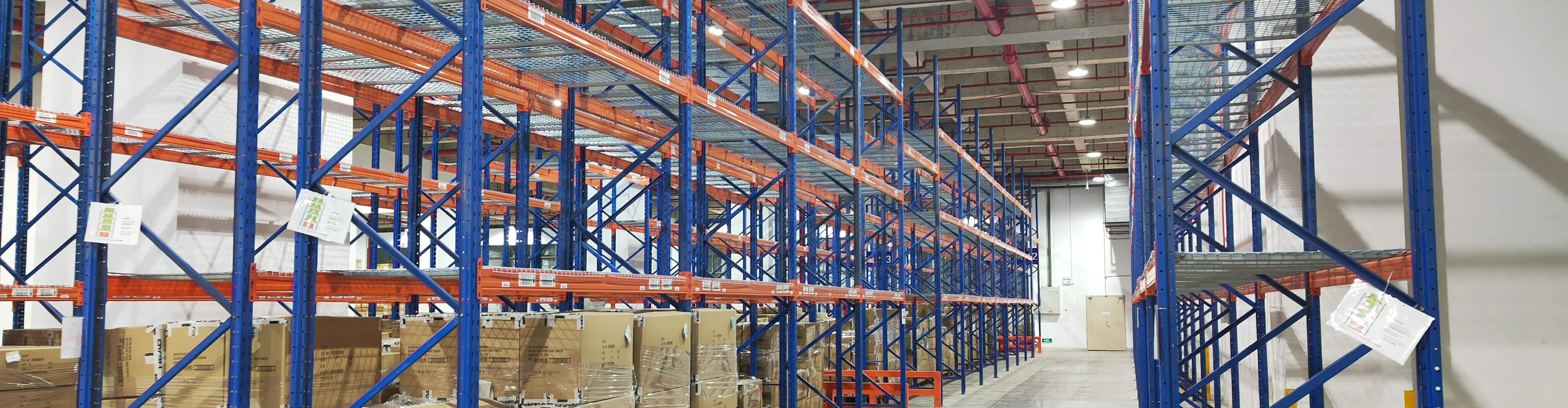
A heavy duty storage rack lasts longer when it is used within its load limits, inspected regularly, protected from impact, kept clean, and repaired correctly when damage appears. In most warehouses, long-term rack performance depends less on the rack itself and more on daily operating discipline, forklift behavior, housekeeping, and whether small problems are caught early.
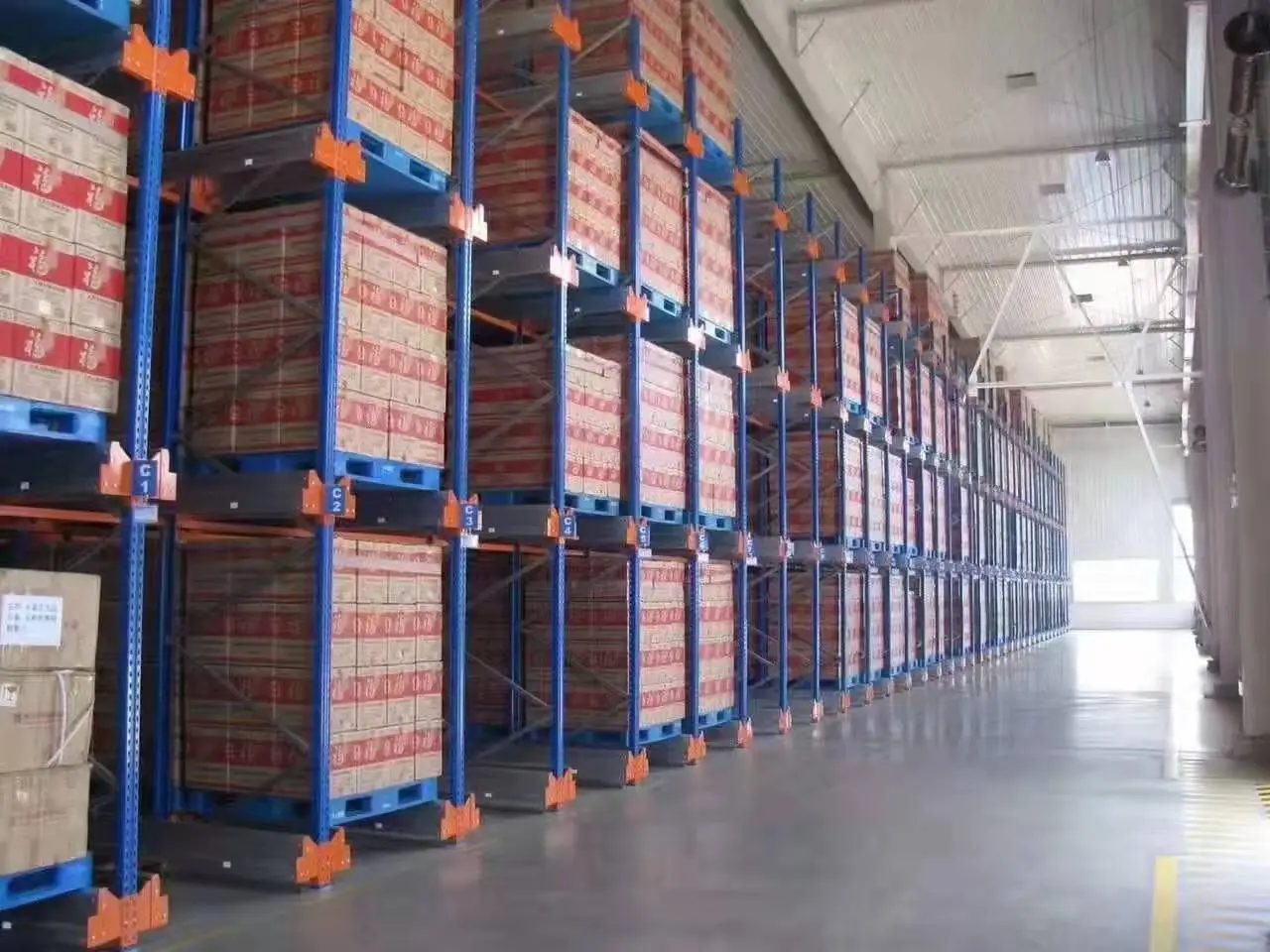
If you want a heavy duty storage rack to remain safe and serviceable for years, the maintenance plan should cover routine visual checks, formal inspections, load control, floor and anchor condition, corrosion prevention, and operator training. The goal is not just to avoid obvious failure. It is to prevent gradual damage that reduces capacity, creates safety risks, and leads to expensive downtime or replacement.
Why heavy duty storage rack maintenance matters
A heavy duty storage rack works under constant stress. Pallets are loaded and unloaded every day, forklifts pass through narrow aisles, and minor impacts can accumulate over time. Even a well-designed system can deteriorate if beams are overloaded, uprights are struck repeatedly, or anchors loosen because of floor movement and vibration.
Regular maintenance protects three things at the same time:
- Safety: Damaged rack components can lead to unstable storage conditions.
- Operational continuity: Early repairs are usually less disruptive than emergency shutdowns.
- Asset life: A heavy duty storage rack that is kept aligned, protected, and properly loaded will usually remain usable much longer.
For warehouse managers, this is also a cost-control issue. Replacing a bent protector is very different from replacing a full rack bay after repeated impact damage has spread into the upright and beam connection points.
Start with the most common causes of rack damage
Before setting up a maintenance schedule, it helps to understand what typically shortens the life of a heavy duty storage rack. In real warehouse environments, damage often comes from a combination of operational pressure and small maintenance gaps rather than one major event.
Forklift impact
Uprights near aisle ends and lower levels are especially vulnerable. Damage often happens during pallet entry, cornering, reversing, or when drivers work in tight aisles with inconsistent pallet quality. End frames and front uprights usually show the first signs of trouble.
Overloading
A heavy duty storage rack is designed for specific load conditions. Problems arise when pallet weights exceed the intended level capacity, loads are concentrated unevenly, or operators place non-standard pallets on beams without checking support conditions.
Poor pallet condition
Broken or undersized pallets can shift loads unexpectedly. This can damage beams, wire decks, and rack accessories, while also increasing the chance of dropped product.
Loose anchors and floor issues
If the floor is cracked, uneven, or deteriorating around the base plates, the stability of the heavy duty storage rack can be affected. Loose or damaged anchors should never be ignored.
Corrosion and environmental exposure
In humid, cold storage, washdown, or semi-outdoor areas, corrosion can affect the finish and eventually the steel itself. This is especially important around base areas where moisture and debris collect.
Unauthorized alterations
Removing braces, changing beam elevations without checking load effects, mixing components from different systems, or adding accessories without review can create hidden risks. A heavy duty storage rack should not be modified casually just because the change seems minor.
Set up a practical inspection routine
The most effective maintenance programs use more than one inspection level. Daily checks catch obvious issues quickly, while scheduled reviews help identify patterns and structural concerns before they become serious.
Daily or shift-based visual checks
These checks do not need to be long. Supervisors, forklift operators, or team leaders can scan for visible problems during normal operations. Focus on:
- Bent uprights or damaged column faces
- Dislodged or missing beam safety locks
- Beams that appear deflected, twisted, or misaligned
- Damaged pallets stored on the rack
- Loose anchors or cracked concrete near base plates
- Obstructions in aisles or around rack legs
- Missing load signage or unreadable capacity labels
These quick checks are useful because warehouse damage often appears first at eye level and lower impact zones.
Weekly housekeeping and condition review
Once a week, review the heavy duty storage rack with more attention. This is a good time to clear debris from base areas, check frame protectors, inspect end-of-aisle guards, and confirm that pallets are being placed correctly. If one aisle shows repeated contact marks, the issue may be traffic flow, aisle width, pallet overhang, or operator technique rather than the rack itself.
Periodic formal inspection
A more structured inspection should be carried out at planned intervals based on traffic intensity, load turnover, and warehouse risk level. A busy distribution center with frequent forklift movement usually needs closer review than a slower reserve storage area.
During a formal inspection, review:
- Upright plumbness and visible deformation
- Beam condition and seating at connectors
- Bracing integrity on frames
- Base plates, shims, and anchors
- Rack protectors and barrier condition
- Signs of corrosion, finish breakdown, or water exposure
- Load placement and pallet support conditions
- Evidence of mixed or non-original components
Keep records of findings, even if issues seem minor. Repeated low-level damage in the same zone usually points to an operational problem that needs correction.
What to check on a heavy duty storage rack
Uprights
Uprights are critical because they carry vertical loads and are highly exposed to impact. Look for dents, twists, bows, tears near holes, and damage close to the base. Lower sections deserve extra attention because they take the most abuse from forklifts and pallet contact.
Beams and connectors
Check that each beam is fully seated and locked in place. Look for bending, local dents, cracked weld areas where applicable, or connector damage. If a beam has been hit or is carrying loads unevenly, do not assume it is still acceptable just because it remains attached.
Anchors and base plates
A heavy duty storage rack depends on secure anchoring. Inspect for missing bolts, looseness, enlarged holes, cracked concrete, or shifting around the base plate. If floor damage is present, replacing an anchor alone may not solve the underlying issue.
Bracing and frame members
Diagonal and horizontal braces help keep the frame stable. If these members are bent or cut, the rack may lose stiffness even if the damage looks smaller than upright damage.
Decking and pallet supports
If the rack uses wire decking, steel panels, or pallet support bars, inspect for deformation, poor fit, or displacement. Accessories are often overlooked, but they play a direct role in load support and safe pallet placement.
Protectors and barriers
Column guards and end barriers are sacrificial components. If they are crushed, loose, or repeatedly hit, they should be repaired or replaced before the damage transfers into the main rack structure.
Control loading conditions to extend rack life
Many heavy duty storage rack problems start with loading practices rather than structural defects. Long-term maintenance is easier when the operating team understands how load behavior affects the rack.
Keep loads within rated limits
Each beam level and bay should be used only within its intended capacity. If product mix changes over time, recheck whether pallet weights, pallet dimensions, and storage heights still match the rack configuration. A warehouse that shifts from light cartons to dense raw materials can overload an existing heavy duty storage rack without changing the layout.
Distribute loads correctly
Loads should sit properly on the beams or support members. Overhanging pallets, concentrated point loads, and off-center placement can create stress that does not match the original design assumptions.
Use suitable pallets
Old, broken, or inconsistent pallets increase the chance of dropped loads and impact during placement. If pallets vary widely in quality, maintenance costs for the heavy duty storage rack usually rise as well.
Avoid makeshift storage behavior
Do not store loose items directly on beams unless the rack level is designed for that use. Do not stack product above safe clearance. Do not use damaged pallets just to keep shipping moving. These short-term decisions often create long-term rack damage.
Reduce forklift-related damage
In many facilities, forklift impact is the single biggest threat to a heavy duty storage rack. Maintenance should therefore include prevention, not just repair.
Review aisle width and turning space
If forklift operators struggle to enter or exit rack locations cleanly, the problem may be layout-related. Narrow aisles, oversized loads, poor staging discipline, and blind corners all increase impact risk.
Protect vulnerable zones
Install or maintain upright protectors, end-of-aisle guards, and other barriers where contact is most likely. These are especially useful at row ends, cross aisles, and high-traffic pick faces.
Train operators on rack contact risks
Drivers should understand that even low-speed contact can damage a heavy duty storage rack. Training should cover pallet centering, fork height control, load approach angle, and reporting procedures after impact.
Act on repeated incidents
If the same bay or aisle keeps getting hit, replacing damaged parts without changing the operating condition is not enough. Review pallet dimensions, rack spacing, beam elevation, travel path, and driver visibility.
Keep the rack and surrounding area clean
Housekeeping is an underrated part of rack maintenance. Dirt, shrink wrap, broken timber, spilled product, and hidden debris around base plates can conceal damage and interfere with inspection.
A clean heavy duty storage rack area helps teams spot:
- Fresh impact marks
- Corrosion starting near the floor
- Anchor loosening
- Concrete cracking
- Leaning frames or misalignment
Good housekeeping also improves forklift movement and reduces the chance of accidental contact caused by aisle obstruction.
Address corrosion before it spreads
Not every warehouse has serious corrosion risk, but where moisture is present, small finish damage can develop into a larger maintenance problem. Cold rooms, coastal environments, food facilities, and areas exposed to cleaning chemicals need closer attention.
Practical steps include:
- Keeping water away from rack bases where possible
- Cleaning spills promptly
- Inspecting scratched or chipped finishes
- Checking hidden moisture traps behind stored goods
- Reviewing whether the rack finish suits the environment
If corrosion is visible on a heavy duty storage rack, assess whether it is surface-level or affecting the steel section more seriously. The right response depends on location, severity, and load importance.
Repair damage properly, not temporarily
One common mistake is treating rack damage like a minor workshop issue. Straightening a bent member, welding an area without proper review, or swapping in unmatched components can create more risk than leaving the area isolated until the right repair is arranged.
When damage is found:
Identify and mark the affected location clearly.
Unload the bay or isolate the area if there is any doubt about safety.
Record the type of damage and likely cause.
Arrange repair or replacement using suitable components and competent guidance.
Review why the damage occurred so it does not repeat.
A heavy duty storage rack should be repaired in a controlled way. The objective is to restore safe function, not just appearance.
Document maintenance and inspection history
Good records make rack maintenance more effective. They help warehouse managers track recurring issues, support budgeting, and show whether damage is random or linked to a specific zone, shift pattern, or product flow.
Useful records include:
- Inspection dates and findings
- Photos of damaged areas
- Repair actions taken
- Repeated impact locations
- Changes in load type or pallet specification
- Operator reports after rack contact incidents
For larger sites, a simple location coding system can make it much easier to manage the heavy duty storage rack estate bay by bay.
Plan for changes in use over time
A heavy duty storage rack may start in one role and gradually shift into another. Reserve storage becomes active picking. Standard pallets are replaced by imported pallets with different dimensions. Lift trucks change. SKU count grows. These changes can affect maintenance demands and rack suitability.
Review the rack whenever there is a material change in:
- Pallet size or pallet quality
- Unit load weight
- Forklift type or mast height
- Aisle configuration
- Beam level spacing
- Building use or environmental conditions
Long-term use is not only about preserving the rack. It is also about making sure the rack still fits the operation safely.
Practical maintenance checklist for long-term rack use
If you need a simple working routine, use this as a starting point for your heavy duty storage rack maintenance process:
- Inspect visible rack damage during daily operations
- Check lower uprights and aisle ends for forklift impact
- Confirm beam locks are present and secure
- Review anchors, base plates, and nearby floor condition
- Remove debris from rack bases and aisles
- Monitor pallet condition and load placement
- Replace damaged protectors before structural parts are affected
- Record and investigate repeated incidents
- Isolate and assess damaged bays promptly
- Review rack suitability when loads or workflows change
FAQ
How often should a heavy duty storage rack be inspected?
A heavy duty storage rack should be checked visually on a frequent basis during normal operations, with more structured inspections scheduled according to traffic level, load intensity, and risk exposure. Busy forklift environments usually need closer monitoring than low-activity storage zones.
What is the most common cause of damage to a heavy duty storage rack?
Forklift impact is one of the most common causes, especially at lower uprights and aisle ends. Overloading, poor pallets, and weak housekeeping also contribute to long-term rack deterioration.
Can a bent rack upright be repaired on site?
It should not be treated as a casual repair. A bent upright on a heavy duty storage rack needs proper assessment, and the affected area may need to be unloaded or isolated until the right corrective action is taken.
Does housekeeping really affect rack life?
Yes. Clean rack areas make it easier to detect impact damage, corrosion, loose anchors, and floor problems early. Good housekeeping also reduces aisle obstruction and accidental contact.
Conclusion
To maintain a heavy duty storage rack for long-term use, focus on the basics and apply them consistently: inspect often, control loading, prevent forklift impact, keep the area clean, respond quickly to damage, and review the system whenever operations change. Most rack failures do not begin as major structural events. They start as small, repeated issues that were ignored for too long. A disciplined maintenance routine protects safety, extends service life, and helps the heavy duty storage rack continue supporting the warehouse efficiently.