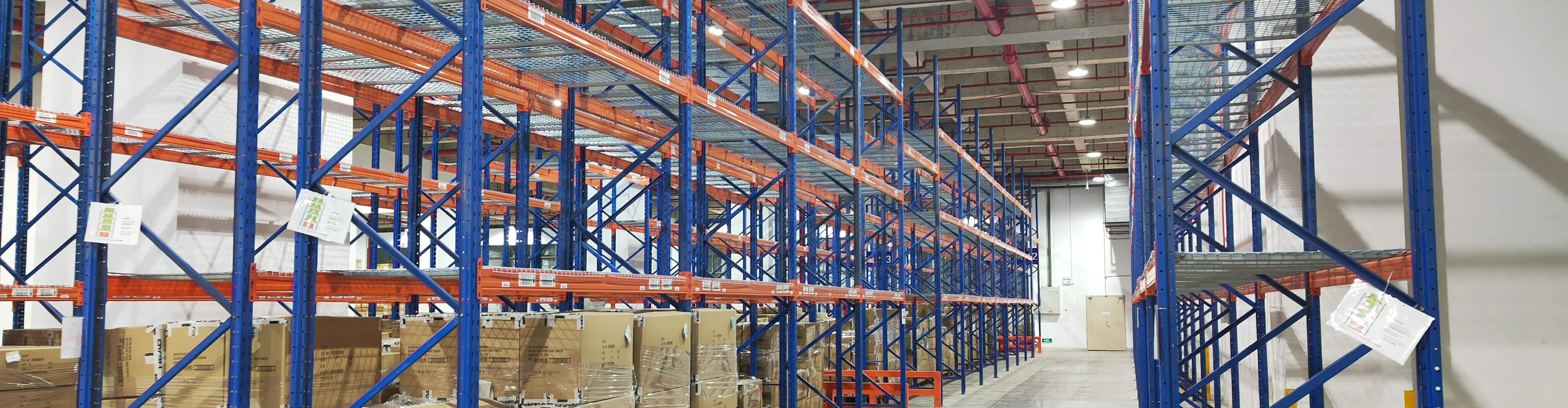
For high-volume storage, the best heavy duty racking system is usually the one that matches your pallet flow, SKU profile, access needs, and available space. There is no single layout that fits every warehouse. In practice, selective pallet racking is often the safest starting point for mixed inventory and fast access, while drive-in, push back, pallet flow, and double deep systems can be better choices when storage density matters more than direct access to every pallet.
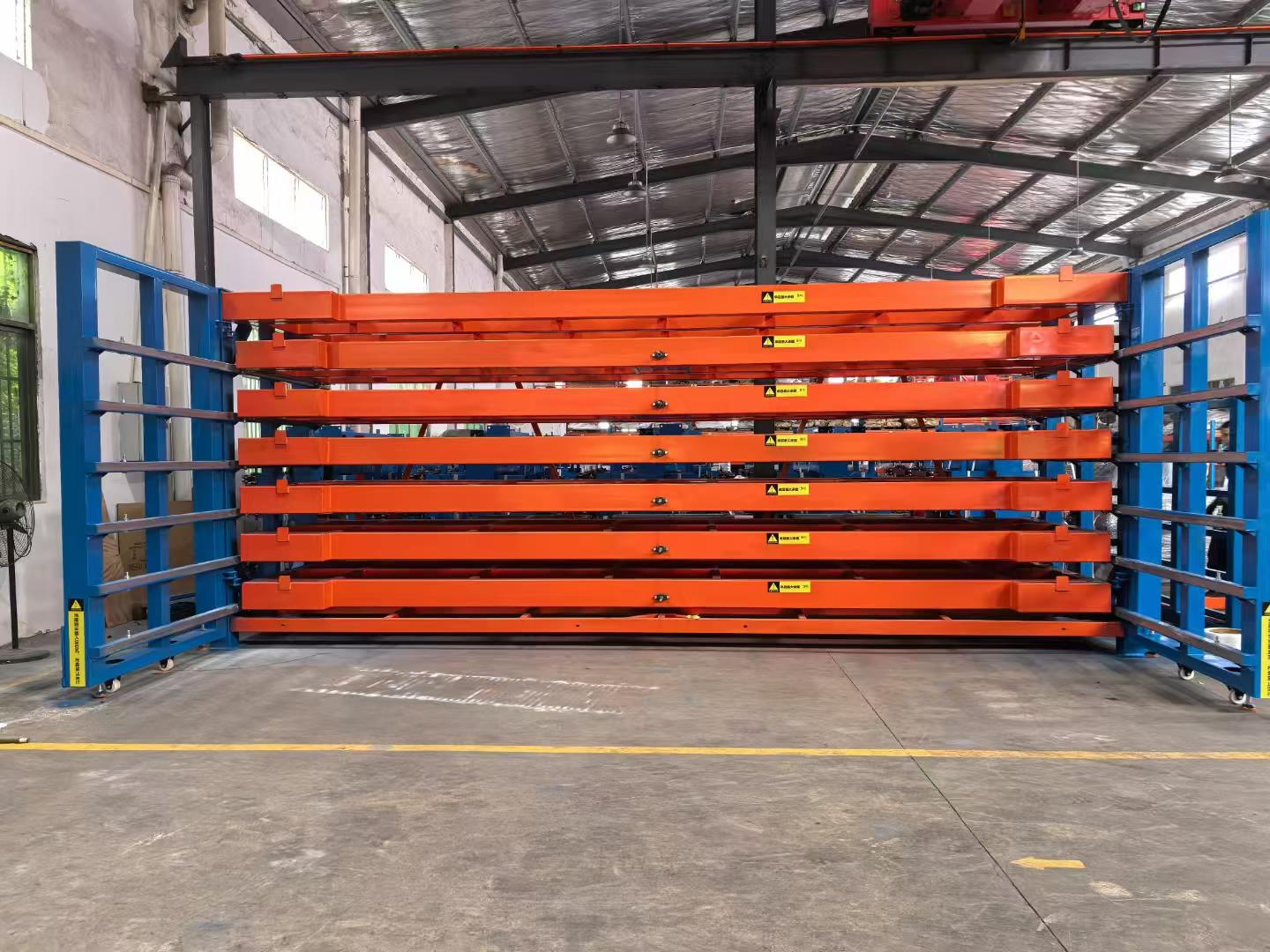
If you are choosing a heavy duty racking system for a busy warehouse, the right decision depends less on the rack itself and more on how the operation works day to day. Forklift type, aisle width, replenishment speed, pallet consistency, stock rotation method, and future expansion all affect which system will perform well over time.
How to define the best heavy duty racking system
A heavy duty racking system is designed to store palletized or bulky goods under higher load requirements than standard shelving. In high-volume operations, the key question is not simply how much weight the rack can carry. The real issue is whether the system supports storage density, safe handling, stock accessibility, and efficient movement without creating bottlenecks.
When warehouse managers ask for the best heavy duty racking system, they are usually trying to balance five things:
- High pallet capacity
- Fast forklift access
- Good use of floor area and building height
- Reliable stock rotation
- Reasonable maintenance and operating cost
These priorities do not always align. A system with very high density may reduce access speed. A layout that gives direct access to every pallet may use more floor space. That is why selection should start with operational fit rather than product preference.
For most warehouses, selective pallet racking is the most practical starting point
If your warehouse stores a broad SKU range, handles regular replenishment, and needs direct access to many pallet positions, selective pallet racking is often the most practical heavy duty racking system. It is widely used because it is simple to manage, flexible to adjust, and compatible with common forklift operations.
Why selective racking works well
- Every pallet position is directly accessible
- It supports mixed SKU storage
- It is easier to inspect and maintain than denser systems
- Beam levels can often be adjusted as product dimensions change
- It works well for warehouses with changing stock profiles
The trade-off is density. Selective layouts require more aisles, so they do not use floor space as tightly as compact systems. Even so, many high-volume operations still choose this heavy duty racking system because operational flexibility outweighs the loss in storage density.
This is especially true for businesses with varied product lines, frequent order picking, or a need to avoid delays caused by moving pallets to reach other stock.
When a denser heavy duty racking system may be a better choice
Some warehouses are not limited by throughput alone. They are limited by space. If your operation stores large quantities of the same pallet type or runs with a lower SKU count, a denser heavy duty racking system may deliver better value than standard selective racking.
Drive-in racking
Drive-in racking reduces aisle space by allowing forklifts to enter the rack structure and store pallets several positions deep. This heavy duty racking system is commonly considered when storage density is more important than direct access to every pallet.
It can work well for:
- Large volumes of the same SKU
- Cold storage where floor space is expensive
- Operations comfortable with LIFO stock handling
It may be less suitable for:
- Fast-moving mixed inventory
- Warehouses with frequent SKU changes
- Operations that need strict FIFO rotation
Drive-in systems also demand disciplined forklift operation. Rack impact risk is higher because trucks enter the structure. That means floor condition, operator training, and regular damage checks matter even more.
Push back racking
Push back racking stores pallets on nested carts or rollers, allowing several pallets to be stored deep from the aisle face. It offers a balance between density and accessibility. Compared with drive-in, it usually provides faster loading and unloading because forklifts do not need to drive into the rack.
This heavy duty racking system is often suitable for:
- Medium SKU counts with multiple pallets per SKU
- Operations needing better density than selective racking
- Warehouses seeking quicker pallet handling than drive-in layouts
The main limitation is that it generally follows LIFO flow. It also works best when pallet quality and dimensions are consistent.
Pallet flow racking
Pallet flow racking uses gravity rollers so pallets move from the loading side to the picking side. For operations that require FIFO rotation and high pallet turnover, this can be a strong heavy duty racking system option.
It is commonly considered for:
- Food and beverage storage
- Batch-controlled inventory
- High-throughput replenishment zones
- Operations with clear separation between loading and picking aisles
Its advantages include excellent stock rotation and high density. Its challenges include higher system complexity, more planning around pallet condition, and the need for proper maintenance of flow lanes and braking components.
If pallet quality is inconsistent or loads are unstable, pallet flow can create handling problems that should be identified during planning rather than after installation.
Double deep racking
Double deep layouts store pallets two positions deep and are usually served by reach trucks designed for that configuration. This heavy duty racking system increases storage density compared with selective racking while remaining more accessible than drive-in systems.
It can be a good fit for:
- Warehouses with enough pallets per SKU to justify deeper storage
- Operations willing to trade some selectivity for better space use
- Facilities already using suitable handling equipment
The compromise is reduced direct access. The front pallet must usually be moved to reach the rear pallet, so slotting and replenishment planning become more important.
What buyers should evaluate before choosing a heavy duty racking system
The best heavy duty racking system for high-volume storage should be selected using real warehouse data, not assumptions. Before comparing suppliers or layouts, review the following operational factors.
1. SKU count and pallet quantity per SKU
If you hold many SKUs with only a few pallets of each, selective pallet racking is usually the safer choice. If you hold fewer SKUs with many pallets per line, denser systems become more viable.
This is one of the most common selection mistakes: choosing a compact heavy duty racking system for a warehouse that actually needs high selectivity. The result is wasted labor, blocked access, and avoidable pallet movement.
2. FIFO or LIFO stock rotation
Stock rotation rules should narrow your options quickly. If your products require FIFO, pallet flow may be more appropriate than push back or drive-in. If LIFO is acceptable, your range of suitable systems becomes wider.
Ignoring rotation needs at the planning stage often creates operational workarounds later, which usually cost more than choosing the right layout from the start.
3. Forklift type and aisle width
A heavy duty racking system only performs as intended if the handling equipment matches the design. Reach trucks, counterbalance forklifts, turret trucks, and VNA equipment all have different aisle and lift requirements.
Check:
- Turning radius
- Lift height
- Residual capacity at upper levels
- Required clearances
- Operator visibility when placing pallets
A layout that looks efficient on paper can become slow or unsafe if truck movement is restricted.
4. Building height and clear vertical space
High-volume storage often depends on vertical cube utilization, not just floor area. A heavy duty racking system should be planned around usable clear height, sprinkler constraints where applicable, lighting, and lift equipment capability.
Adding more beam levels may increase capacity, but only if pallets can be placed safely and accessed efficiently. Very high storage without the right equipment can reduce productivity instead of improving it.
5. Floor condition and load distribution
Floor flatness, slab condition, and load-bearing capability affect both safety and long-term rack performance. Dense or high-bay layouts can create concentrated loads that need proper review during planning.
If the floor is uneven or damaged, installation accuracy and forklift travel can be affected. This is particularly relevant for narrow aisle operations and systems that depend on smooth pallet movement.
6. Picking method and replenishment pattern
Some high-volume warehouses store full pallets only. Others combine bulk storage with case picking or split-case picking. The right heavy duty racking system should support the actual workflow, not just storage capacity.
If operators constantly break down pallets at rack locations not designed for picking, congestion and safety issues often follow. In those cases, a combination of bulk pallet racking and separate picking zones may be more efficient than forcing one system to do everything.
7. Expansion and reconfiguration potential
A heavy duty racking system should not be selected only for current demand. Consider whether the layout can be extended, re-slotted, or adapted if SKU mix, pallet size, or throughput changes.
Selective systems are often easier to modify. Denser systems can be more space-efficient but less flexible if the inventory profile changes later.
Common mistakes when selecting a heavy duty racking system
- Choosing maximum density without considering daily access needs
- Ignoring pallet quality and load consistency
- Using unsuitable forklifts for the proposed aisle or depth configuration
- Overlooking inspection and repair access
- Planning around nominal capacity instead of real operating conditions
- Failing to allow for future SKU growth or process changes
In many warehouses, the wrong heavy duty racking system does not fail immediately. It simply creates friction: slower put-away, more pallet shuffling, damaged uprights, blocked replenishment, and poor stock visibility. Those issues usually appear after go-live, when changes are more disruptive and costly.
Safety, inspection, and maintenance matter in high-volume storage
Any heavy duty racking system used for high-volume storage will face repeated forklift traffic, load cycles, and occasional impact risk. System selection should therefore include practical maintenance considerations.
Look for a layout that allows:
- Clear visual inspection of uprights, beams, and anchors
- Safe pallet placement without forced alignment
- Protection in high-impact areas such as aisle ends
- Reasonable access for replacing damaged components
High-density systems can improve storage efficiency, but they may also be less forgiving if pallets are inconsistent or operators are rushed. A realistic planning process should account for how the warehouse actually runs, not how it performs under ideal conditions.
So, what is the best heavy duty racking system for high-volume storage?
For many businesses, selective pallet racking remains the best all-round heavy duty racking system because it offers direct access, operational flexibility, easier inspection, and good compatibility with mixed inventory. It is often the most practical choice when SKU variety is high and order profiles change regularly.
However, if your warehouse stores large volumes of the same products and space is tight, a denser heavy duty racking system such as drive-in, push back, pallet flow, or double deep may be the better answer. The right choice depends on whether your priority is access speed, storage density, stock rotation, or a balance of all three.
A good decision framework is simple:
- Choose selective racking when access and flexibility matter most
- Choose drive-in or push back when density matters more and SKU count is lower
- Choose pallet flow when FIFO and throughput are critical
- Choose double deep when you want moderate density gains without moving to a fully compact system
The best heavy duty racking system is not the one with the highest capacity on a brochure. It is the one that supports safe forklift handling, efficient replenishment, practical inspection, and the inventory pattern your warehouse actually manages every day.
FAQ
Which heavy duty racking system gives the highest storage density?
Drive-in and pallet flow systems can provide higher density than standard selective racking because they reduce aisle space and store pallets deeper. The best choice depends on access requirements and stock rotation rules.
Is selective racking good enough for high-volume storage?
Yes, in many warehouses it is. Selective pallet racking is often the most practical heavy duty racking system for high-volume operations with mixed SKUs, frequent access, and changing inventory profiles.
What heavy duty racking system is best for FIFO stock rotation?
Pallet flow racking is commonly used when FIFO handling is required and pallet throughput is high. It allows loading from one side and picking from the other.
When is drive-in racking a poor choice?
Drive-in racking may be a poor fit for warehouses with many SKUs, frequent stock rotation needs, or operations that cannot tolerate slower access and higher rack impact risk.
What should be checked before installing a heavy duty racking system?
Review pallet dimensions and weight, forklift type, aisle width, building height, floor condition, stock rotation method, and future expansion needs before finalizing the layout.