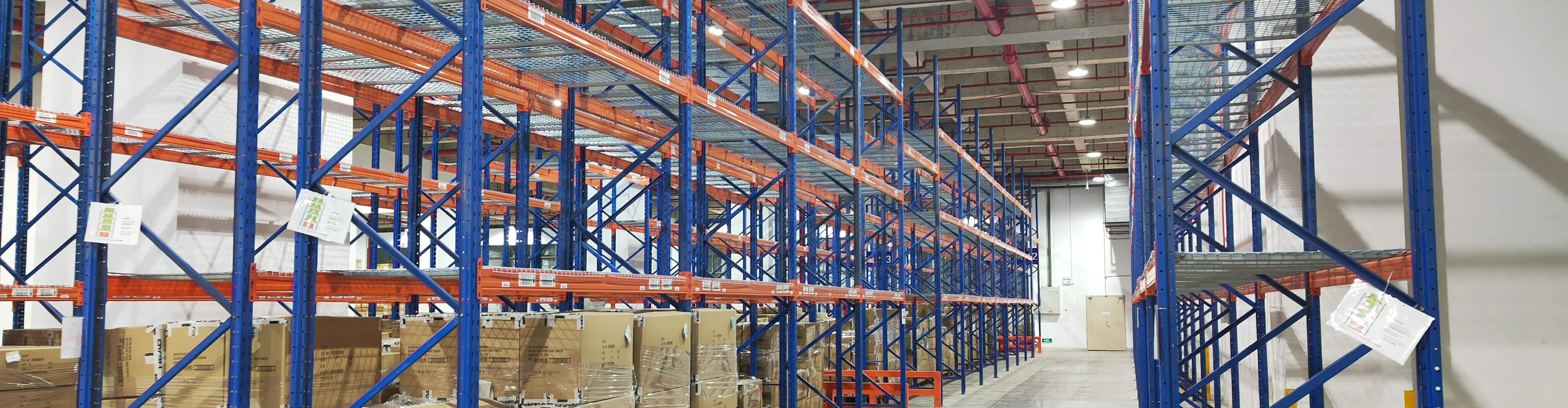
A heavy duty racking system can cost anywhere from a relatively modest amount for a small selective pallet rack layout to a much larger investment for a tall, high-capacity, custom-configured warehouse installation. The short answer is that there is no single fixed price, because cost depends on rack type, load requirements, warehouse dimensions, beam levels, aisle layout, accessories, installation scope, and local freight conditions.
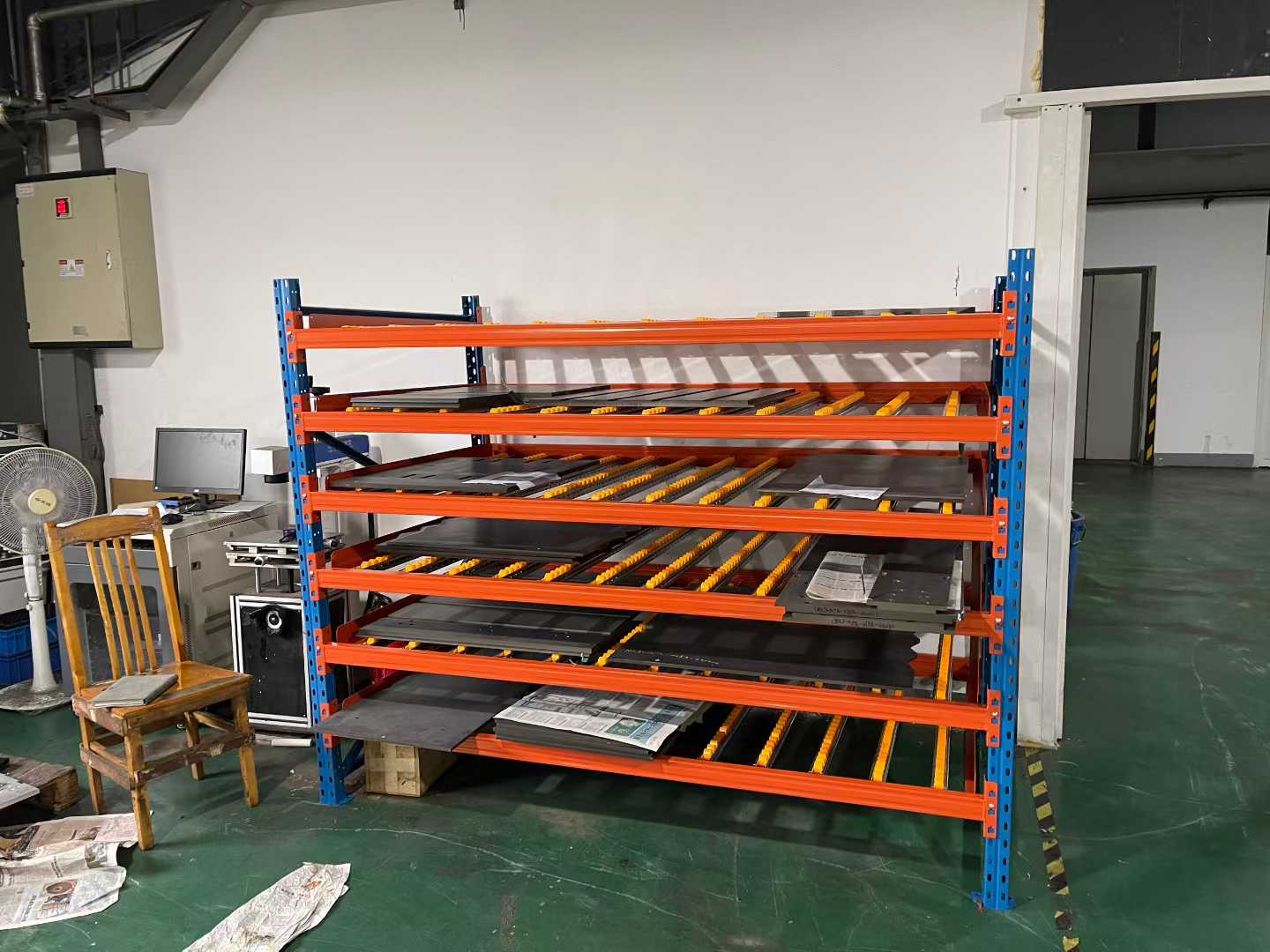
For most buyers, the better question is not just how much a heavy duty racking system costs, but what drives the cost and which specification gives the best operational value. A low upfront price can become expensive if the layout reduces forklift productivity, limits future expansion, or creates avoidable damage and maintenance issues.
What is included in the cost of a heavy duty racking system?
When companies budget for a heavy duty racking system, they sometimes focus only on the rack frames and beams. In practice, the full project cost usually includes several elements:
- Rack uprights and beams
- Load-specific decking, panels, or support bars if required
- Base plates, anchors, and bracing components
- Row spacers, shims, and fixings
- Rack protectors, end-of-aisle guards, and safety accessories
- Design and layout planning
- Delivery and unloading
- Installation labor
- Site preparation or floor corrections if needed
- Signage, load notices, and post-installation inspection
This is why two quotations for what appears to be the same heavy duty racking system can differ significantly. One supplier may quote supply only, while another includes layout support, installation, and protection accessories.
Main factors that affect heavy duty racking system cost
1. Rack type and storage method
The biggest cost driver is the type of heavy duty racking system being used. Standard selective pallet racking is usually the most straightforward and often the most economical option because it provides direct access to every pallet and uses simpler components. Systems such as drive-in racking, double deep racking, narrow aisle layouts, push back racking, or pallet flow systems usually involve higher material or installation cost because they require different structures, tighter tolerances, or more specialized handling methods.
If your warehouse handles many SKUs and needs direct pallet access, selective heavy duty racking system layouts often make financial sense even if storage density is lower. If floor space is limited and pallet selectivity is less important, denser systems may justify their higher cost.
2. Load capacity requirements
A heavy duty racking system designed for light pallet loads will not cost the same as one built for very heavy industrial goods. Higher load capacities generally require stronger uprights, thicker steel sections, larger beams, and more robust bracing. As load demand increases, so does the structural specification.
Buyers should be careful not to over-specify capacity without a clear reason. It is common to ask for extra margin for safety and flexibility, but building every bay for the heaviest possible future pallet can increase project cost unnecessarily. The right approach is to define realistic pallet weights, load distribution, and handling conditions early in the planning stage.
3. Rack height and building clear height
Taller systems usually cost more per bay because they need longer uprights, may require heavier sections, and can introduce stricter installation and floor tolerance requirements. A heavy duty racking system that uses more of the building height can improve storage capacity per square meter, but that does not automatically mean lower total project cost.
Very tall layouts also affect forklift selection, aisle design, and safety management. If your current trucks cannot work efficiently at the planned lift height, the true project cost may include equipment changes as well as racking.
4. Number of beam levels
Adding more storage levels increases pallet positions, but it also increases material cost. More beam levels mean more beams, connectors, safety pins, and often more planning around pallet clearance and lift truck operation.
In many warehouses, the lowest-cost design is not the one with the maximum number of levels. If upper levels are hard to access or slow down replenishment, the operational payback may be weaker than expected.
5. Aisle width and handling equipment
Aisle width changes both storage density and operational cost. A narrower aisle layout may allow more rack rows, improving capacity, but it can also require more precise forklift operation or different equipment. A wider aisle layout may reduce pallet positions but can improve speed, maneuverability, and damage control.
When comparing heavy duty racking system quotations, make sure the aisle plan matches the actual trucks, pallets, and turning requirements. A layout that looks efficient on paper can become expensive if forklifts struggle to operate safely.
6. Warehouse floor condition
Floor quality is often overlooked during budgeting. A heavy duty racking system depends on correct anchoring and proper leveling. If the floor is uneven, cracked, or not suitable for the planned load and layout, additional work may be needed before installation. Shimming, corrective preparation, or revised rack positioning can add cost and delay.
This becomes more important in older warehouses where floor flatness and slab condition may not match the intended rack height or truck type.
7. Accessories and protection
Rack guards, upright protectors, mesh panels, column guards, pallet supports, anti-collapse mesh, and guide rails all add to the price of a heavy duty racking system. These items are sometimes treated as optional extras, but in many real warehouse environments they are practical necessities.
If forklifts operate in tight aisles, or if pallet quality is inconsistent, spending more on protection often reduces long-term repair cost and operational disruption.
8. Installation complexity
Installation cost varies based on project scale, site access, working hours, sequencing, and whether the warehouse remains operational during the work. A new empty building is generally simpler and cheaper to fit out than an active warehouse where installers must work around stock, traffic, and safety controls.
For phased projects, the heavy duty racking system may cost more to install because labor productivity is lower and coordination is more demanding.
9. Freight and location
Transport cost can be significant, especially for large projects or remote locations. Uprights are long, beams are bulky, and multiple deliveries may be needed. Import lead times, local steel market conditions, and regional labor rates can also influence the final cost.
Typical pricing approach: why suppliers often quote per pallet position or per bay
Many buyers ask for a simple price per bay, but that only gives part of the picture. Heavy duty racking system projects are often evaluated in one of these ways:
- Cost per bay
- Cost per pallet position
- Total installed project cost
- Cost per square meter of storage area
For practical comparison, cost per pallet position is often more useful than cost per bay because it reflects how efficiently the layout converts floor space into usable storage. A cheaper bay is not necessarily better if it stores fewer pallets or creates awkward access.
That said, buyers should avoid comparing figures without checking what is included. A per-position price can be misleading if one quotation excludes protectors, installation, or load signage.
Why one heavy duty racking system quote can be much higher than another
Large price gaps usually come from differences in specification rather than simple supplier margin. Common reasons include:
- Different steel section sizes and load ratings
- Different rack heights and beam lengths
- More or fewer beam levels
- Different protection packages
- Supply only versus supply and install
- Different assumptions about pallet size and weight
- Different seismic or local engineering requirements where applicable
- Different lead times or freight arrangements
If two proposals for a heavy duty racking system are far apart in price, ask each supplier to break down the scope in plain terms. It is difficult to make a sensible buying decision until the layouts, capacities, accessories, and installation assumptions are aligned.
How to budget for a heavy duty racking system realistically
Start with operational requirements, not just storage numbers
Before requesting quotations, define what the system needs to do. Key planning points include pallet dimensions, pallet weight, number of SKUs, stock rotation method, forklift type, ceiling height, inbound and outbound volume, and whether picking will happen from lower levels.
A heavy duty racking system used mainly for reserve pallet storage may be configured differently from one that supports frequent picking and replenishment. The cost should be judged against workflow, not only storage capacity.
Allow for protection and inspection from the start
Some companies try to reduce initial spend by removing rack protection or delaying inspections. That often creates higher cost later through impact damage, reduced rack life, and operational interruptions. A more realistic budget includes not only the heavy duty racking system itself but also the measures needed to keep it safe and serviceable.
Plan for future expansion
If growth is likely, ask whether the initial layout can be extended. Expansion planning can affect aisle placement, row lengths, and the choice of rack type. It is usually cheaper to leave a sensible path for future additions than to redesign the warehouse after the first phase is full.
Consider total cost of ownership
The purchase price matters, but so do maintenance exposure, forklift efficiency, stock accessibility, and adaptability. A heavy duty racking system with a lower upfront cost can be a poor value if it leads to congestion, more pallet damage, or difficult stock control.
Common mistakes that distort racking cost decisions
- Comparing quotes without checking load capacity and included accessories
- Choosing the densest layout without considering SKU access
- Ignoring forklift turning space and lift height limitations
- Assuming the floor is suitable without inspection
- Specifying for unrealistic maximum loads across the entire warehouse
- Leaving out rack protection to reduce the first quote
- Focusing only on material price instead of installed project value
These mistakes can make a heavy duty racking system look cheaper at quotation stage but more expensive during day-to-day operation.
When a lower-cost heavy duty racking system may still be the wrong choice
A lower-priced system is not automatically the better buy if it does not match the warehouse profile. For example, drive-in storage may improve density, but it is not ideal for operations with many SKUs and frequent direct pallet retrieval. Very tall selective racking may increase capacity, but if truck access is slow or the floor condition is poor, the productivity loss can offset the storage gain.
The right heavy duty racking system is the one that balances capacity, access, safety, durability, and workflow. Cost should be measured against that balance.
Questions to ask before requesting a quote
- What pallet size, weight, and overhang should the rack be designed for?
- How many pallet positions are actually required now and in the next few years?
- What forklift type will operate in the aisles?
- Will lower levels be used for picking as well as storage?
- What clear height is available after allowing for sprinklers, lighting, and building obstructions?
- Is the floor suitable for the proposed rack height and loading?
- What protection accessories are recommended for this traffic pattern?
- Is installation included, and will the site remain operational during the work?
- How easy will it be to add bays or extend rows later?
FAQ
Is there a standard price for a heavy duty racking system?
No. A heavy duty racking system is usually priced according to layout, load capacity, height, number of levels, accessories, and installation conditions. The same warehouse footprint can produce very different prices depending on the storage method chosen.
What is the cheapest type of heavy duty racking system?
In many standard warehouse applications, selective pallet racking is often one of the most economical choices because it is simpler and offers direct access to every pallet. However, the cheapest option per bay is not always the lowest-cost solution per usable pallet position or per workflow outcome.
Does installation cost a lot?
It can be a meaningful part of the project, especially in active warehouses, tall layouts, or multi-phase installations. Installation cost depends on site conditions, access, working time restrictions, and project complexity.
Should safety accessories be included in the budget?
Yes. For most operations, protectors, guards, anchors, load notices, and related safety items should be treated as part of the real heavy duty racking system cost, not as optional extras to be ignored.
Conclusion
The cost of a heavy duty racking system depends on much more than the rack itself. Storage density, pallet access, load capacity, building height, aisle width, floor condition, installation scope, and protection measures all influence the final budget. For most commercial buyers, the most useful way to evaluate a heavy duty racking system is to compare total installed value against storage capacity, operational efficiency, safety, and future flexibility.
If you are planning a project, define your pallet loads, handling method, warehouse dimensions, and workflow needs before comparing quotations. That will give you a clearer view of the true cost and help you choose a heavy duty racking system that works in daily operation, not just on paper.