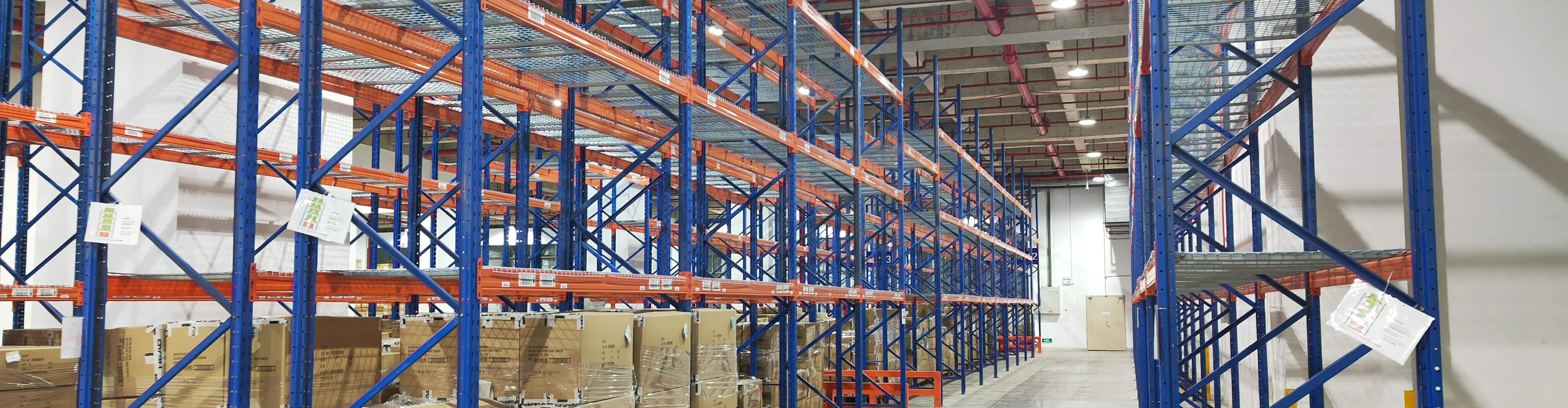
Heavy duty industrial shelving is a practical storage solution for businesses that need strong, accessible storage for cartons, bins, tools, parts, archive stock, or hand-loaded goods. The right system depends less on appearance and more on load capacity, shelf adjustability, picking method, aisle layout, floor conditions, and how your operation is likely to change over time.
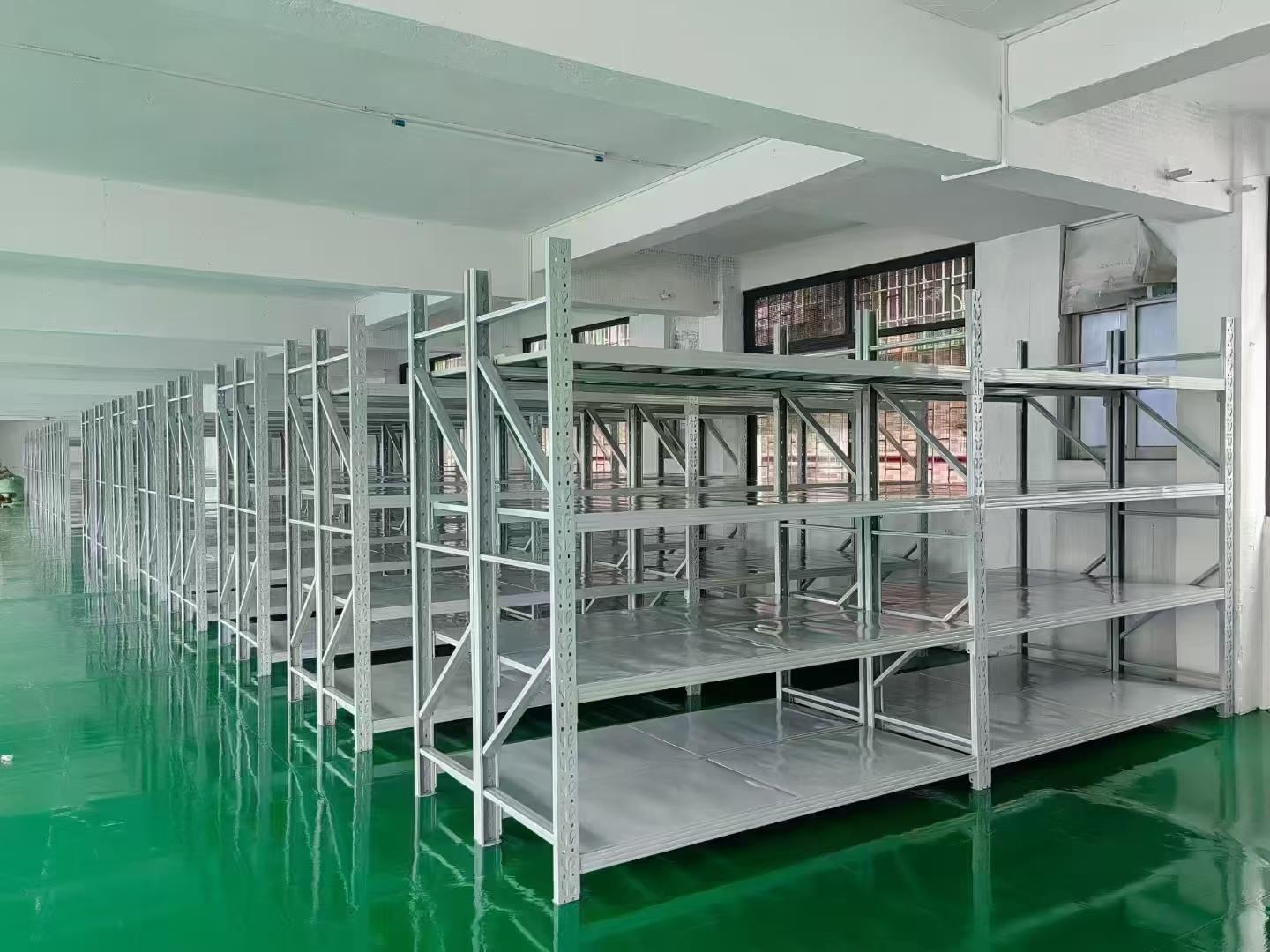
For most commercial buyers, the main question is not simply which shelving looks strongest. It is whether the shelving will support the required loads safely, fit the available space efficiently, work with daily picking activity, and remain manageable as inventory grows. This guide explains how to evaluate heavy duty industrial shelving in a way that supports real warehouse operations and more informed purchasing decisions.
What heavy duty industrial shelving is designed for
Heavy duty industrial shelving is typically used where storage loads are too substantial for light-duty shelving but do not always require pallet racking. It is common in warehouses, stockrooms, maintenance areas, spare parts stores, back-of-house commercial spaces, and industrial distribution environments where operators need direct access to individual items or case goods.
In practical terms, heavy duty industrial shelving suits operations that need:
- Manual access to stored items without moving pallets first
- Storage for mixed SKU profiles
- Adjustable shelf levels for changing product sizes
- Better organization for parts, cartons, components, and picking stock
- A stronger alternative to office or retail shelving
It can be a good fit for medium-weight goods, split-case picking, maintenance inventory, and reserve stock that is not ideal for pallet-only storage. It may be less suitable where the operation is built around full pallet handling by forklift, very high storage density, or extremely heavy unit loads that are better handled by pallet racking or cantilever systems.
When heavy duty industrial shelving is the right choice
Heavy duty industrial shelving is usually the right choice when your operation needs a balance between strength, accessibility, and flexibility. It works well when staff pick by hand, when stock comes in varied carton sizes, or when product lines change often enough that fixed storage layouts become inefficient.
Typical commercial use cases include:
- Spare parts and MRO inventory
- E-commerce and order picking for small to medium items
- Automotive parts storage
- Wholesale back stock for cartons and cases
- Tool rooms and engineering stores
- Archive and records storage where load demands exceed standard shelving
It may be a poor fit if your warehouse relies primarily on forklift loading at beam level, stores oversized long goods, or needs very dense pallet storage. In those cases, buyers should compare heavy duty industrial shelving against pallet racking, longspan shelving, cantilever racking, or multi-tier systems before committing.
Key buying factors to evaluate before choosing heavy duty industrial shelving
1. Load capacity at shelf level and bay level
The first decision point is load requirement. Buyers should understand both the load per shelf and the total load per bay. This matters because shelving failures often come from incorrect assumptions about distributed load, point loading, or future stock changes.
Ask practical questions such as:
- What is the heaviest product or carton stored on each shelf?
- Will loads be evenly distributed or concentrated in one area?
- Will operators place dense metal parts, tools, or liquid containers on the system?
- Could future inventory become heavier than current stock?
If there is any uncertainty, it is safer to specify for the realistic upper range rather than current average load. Procurement teams often focus on initial cost, but under-specifying heavy duty industrial shelving can create operational limits very quickly.
2. SKU mix and item dimensions
Shelf depth, width, and adjustability should reflect the actual stock profile. A shelving system that looks efficient on paper can become awkward if carton overhang, wasted vertical space, or inconsistent product sizes reduce usable capacity.
Review:
- Fast-moving versus slow-moving SKUs
- Small parts versus bulky cartons
- Single-item picking versus case picking
- Need for dividers, bins, labels, or compartmentalization
Operations with a wide SKU mix usually benefit from adjustable shelf levels and a layout that allows reconfiguration without major disruption.
3. Picking method and access requirements
Heavy duty industrial shelving is often selected for hand-loaded and hand-picked environments, so access matters as much as strength. If operators need frequent replenishment and fast order picking, shelf height, reach range, and aisle width affect both productivity and safety.
Consider whether your team will:
- Pick directly from shelves throughout the day
- Use step ladders or mobile access equipment
- Replenish by hand or with handling equipment
- Need clear product visibility and labeling
If pick frequency is high, the most active lines should sit in the most ergonomic reach zones. Overly tall shelving may increase nominal capacity while slowing picking and increasing manual handling risk.
4. Building dimensions and available space
Before buying heavy duty industrial shelving, measure the space properly. Ceiling height alone is not enough. Buyers should also account for lighting, fire protection obstructions, door clearances, columns, wall offsets, and traffic routes.
Important layout points include:
- Available clear height for usable storage, not just building height
- Aisle width needed for people, carts, or equipment
- Access around doors, panels, and emergency routes
- Floor flatness and load-bearing condition
- Future room for additional bays or reconfigured runs
A common mistake is filling a room too tightly with shelving and then discovering that picking, replenishment, or housekeeping becomes difficult.
5. Floor condition and installation environment
Heavy duty industrial shelving performs best when installed on suitable floors in stable conditions. Uneven or damaged floors can affect alignment, load distribution, and long-term stability. In some industrial environments, corrosion, moisture, dust, or temperature swings may also affect material choice and finish requirements.
Commercial buyers should check:
- Whether the floor is level enough for installation
- Whether anchoring is required or recommended
- Whether the environment is dry, damp, clean, or corrosive
- Whether impact from carts or forklifts is likely near shelving runs
Where equipment traffic is close to shelving, protective barriers or end-of-aisle guards may be worth considering to reduce avoidable damage.
6. Expansion potential
Many buyers choose heavy duty industrial shelving for current needs only, then face expansion issues within a year or two. If your SKU count, throughput, or storage volume is likely to grow, choose a system that can be extended, reconfigured, or integrated into a larger layout later.
Useful questions include:
- Can additional bays be added without replacing the original system?
- Can shelf levels be adjusted easily as inventory changes?
- Will the system still work if picking volume increases?
- Could the area later move to multi-tier storage or mixed shelving and racking?
Heavy duty industrial shelving is often attractive because of its flexibility, but that advantage only holds if the specification supports future changes.
How heavy duty industrial shelving compares with other storage options
Heavy duty shelving vs pallet racking
Pallet racking is generally better for forklift-handled pallet loads, higher beam loading, and bulk reserve storage. Heavy duty industrial shelving is usually better for hand access, smaller load units, and mixed picking operations. If staff need to reach individual cartons or parts regularly, shelving is often more practical than storing everything on pallets.
Heavy duty shelving vs longspan shelving
The line between these systems can overlap depending on supplier terminology. In many projects, longspan shelving is a form of heavy duty industrial shelving designed for wider bays and carton storage. The key point is to compare actual load ratings, shelf construction, and application suitability rather than relying only on labels.
Heavy duty shelving vs mezzanine-supported storage layouts
If floor space is limited and the building has usable height, a mezzanine-supported scheme may create more picking faces than adding standard shelving alone. However, mezzanine projects involve more planning, access design, and capital cost. For buyers who need straightforward, ground-level storage with easier installation, heavy duty industrial shelving may be the more practical first step.
Common buying mistakes to avoid
Choosing by price before confirming load needs
Low initial cost can become expensive if shelves deflect excessively, layouts need rework, or stock profiles outgrow the system quickly.
Ignoring workflow
A shelving layout should support receiving, replenishment, picking, packing, and stock control. If the system adds travel time or causes congestion, storage capacity gains may be offset by lower productivity.
Using shelf dimensions that do not match real inventory
Oversized shelves waste space. Undersized shelves create overhang, poor presentation, and awkward handling. Measure representative stock carefully before finalizing bay sizes.
Overbuilding vertical height without thinking about access
Extra levels can look efficient on a drawing, but if operators need ladders for routine picks, the layout may slow down daily activity. Reserve upper levels for slower-moving stock where appropriate.
Failing to plan for inspection and maintenance
Heavy duty industrial shelving should be checked regularly for impact damage, loose components, overloading, corrosion, and unauthorized modifications. A system that cannot be maintained easily is harder to manage safely over time.
Practical checklist for specifying heavy duty industrial shelving
Before requesting quotations or placing an order, prepare a clear internal brief. This helps suppliers propose suitable options and reduces the risk of mismatched specifications.
- List the products to be stored and their typical dimensions
- Record the maximum and average load per shelf
- Identify whether storage is hand-loaded, trolley-served, or equipment-assisted
- Measure available floor area, clear height, and obstructions
- Define aisle width needs for people and equipment
- Note floor condition and any anchoring constraints
- Identify fast-moving SKUs and preferred picking zones
- Estimate future expansion needs over the next few years
- Consider whether accessories such as dividers, bin fronts, mesh shelves, or labeling are needed
A well-prepared brief usually leads to better layout recommendations and a more accurate comparison between suppliers.
Installation, inspection, and ongoing use considerations
Even well-specified heavy duty industrial shelving needs responsible use after installation. Shelves should be loaded according to stated capacity, with heavier items placed where the design and operating method allow. Staff should understand that shelving is not a general-purpose structure for climbing, hanging loads, or making ad hoc modifications.
Routine checks should look for:
- Damaged uprights, frames, or shelf beams
- Bent or dislodged components
- Missing clips, fixings, or anchors where applicable
- Visible overloading or concentrated point loads
- Corrosion in damp or aggressive environments
- Impact damage near aisle ends or traffic routes
If your operation uses carts, pallet trucks, or forklifts nearby, inspection frequency should reflect that exposure. Damage often starts small but can worsen if ignored.
FAQ about heavy duty industrial shelving
How do I know if heavy duty industrial shelving is enough, or if I need pallet racking?
If stock is mainly hand-loaded and accessed as cartons, bins, or individual items, heavy duty industrial shelving is often the better fit. If goods are stored and moved mainly as pallets by forklift, pallet racking is usually more appropriate.
Can heavy duty industrial shelving be used in a picking operation?
Yes. It is commonly used for order picking, especially where there are many SKUs and frequent manual access. The layout should be planned around pick frequency, reach height, and aisle flow.
What is the biggest risk when buying heavy duty industrial shelving?
One of the most common risks is specifying the system around current average stock instead of realistic maximum loads and future product changes. This can lead to early capacity limits or unsafe loading practices.
Is taller shelving always better for storage capacity?
No. More height can increase capacity, but it can also reduce picking efficiency and require additional access equipment. The right height depends on stock movement, ergonomics, and replenishment method.
Final decision points for buyers
Heavy duty industrial shelving is a strong option for commercial storage when you need direct access, reliable load support, and flexibility for changing inventory. The right purchase decision comes from matching the shelving to real operating conditions: product weight, SKU mix, picking method, space constraints, and future growth.
Before buying heavy duty industrial shelving, confirm the load requirement, measure the space accurately, review how staff will use the system every day, and think beyond the first installation phase. A shelving system that fits the workflow, not just the floor plan, will usually deliver better long-term value.