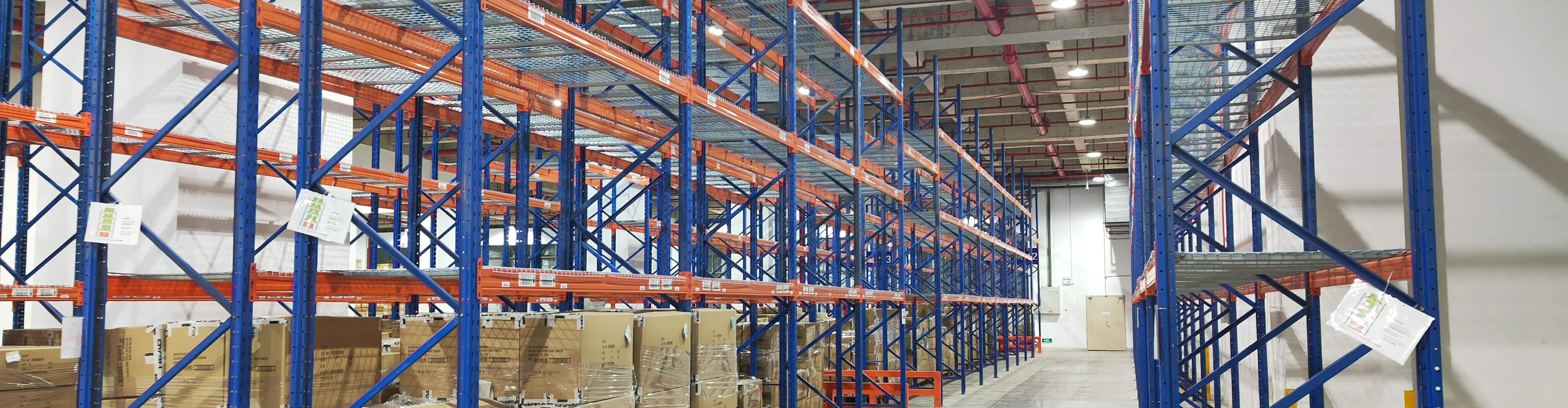
Choosing between heavy duty industrial warehouse racking and standard warehouse racks is mainly a question of load, handling method, growth plans, and operating risk. Heavy-duty systems are built for higher pallet weights, tougher forklift activity, and larger storage volumes. Standard racks can still be the right choice for lighter goods, smaller facilities, and operations that do not need the same structural capacity or long-term expansion margin.
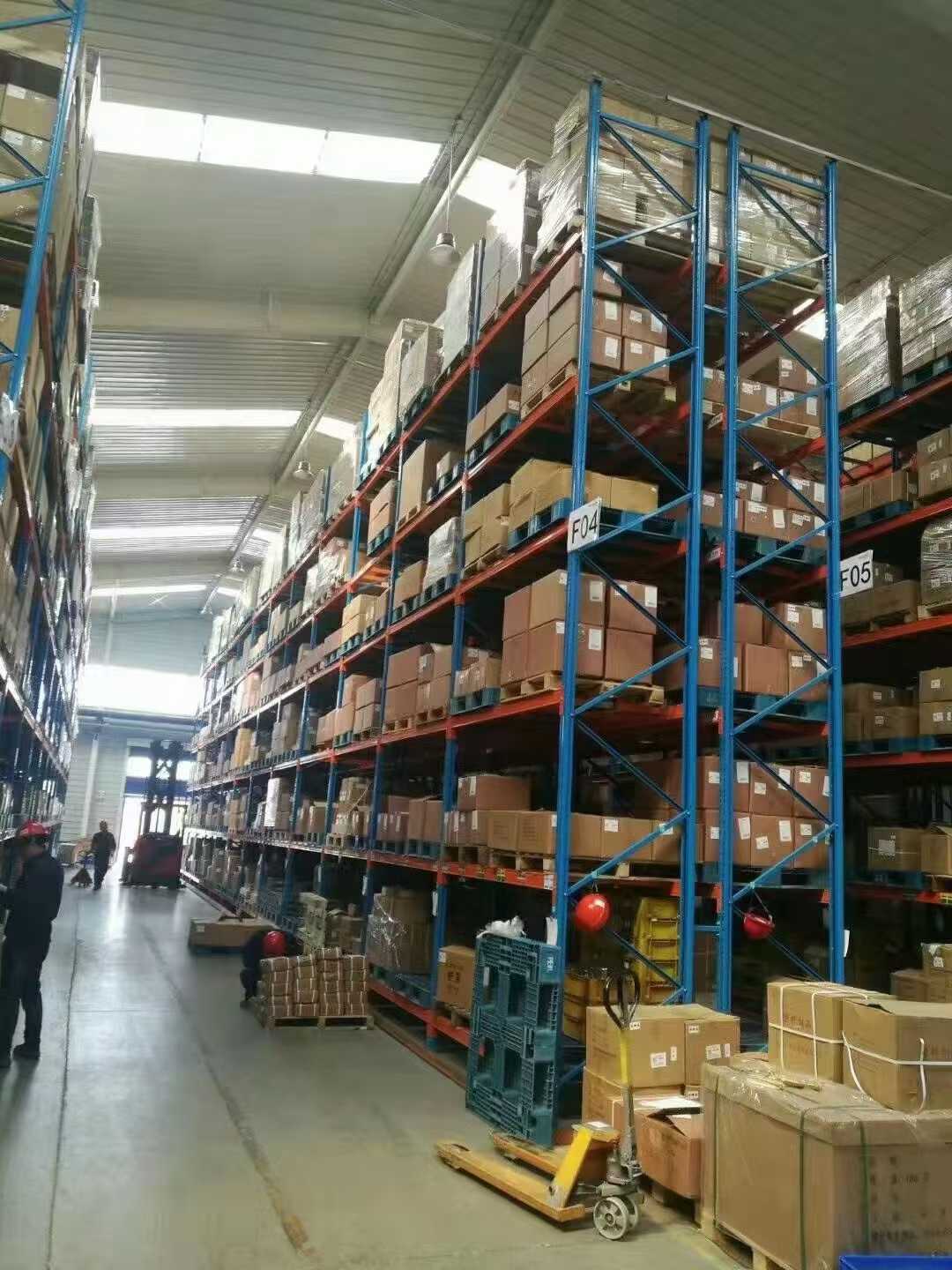
For most buyers, the real issue is not which rack sounds stronger on paper. It is whether the system fits the warehouse layout, pallet profile, equipment traffic, safety requirements, and budget without creating avoidable problems later. A rack that is oversized for the job can waste capital and space. A rack that is underspecified can lead to damage, restricted capacity, and expensive changes after installation.
What Is Heavy Duty Industrial Warehouse Racking?
Heavy duty industrial warehouse racking refers to storage systems designed for demanding warehouse and industrial environments where pallet loads are heavier, bay spans are larger, and equipment use is more intensive. These systems typically use stronger uprights, beams, connectors, and base components than standard warehouse racks.
In practical terms, heavy duty industrial warehouse racking is commonly used when a facility handles full pallets with forklifts, stores dense or bulky products, needs higher bay heights, or expects regular movement of goods across multiple shifts. It is often selected for distribution centers, manufacturing storage, raw material holding areas, and facilities with high throughput.
That does not mean every warehouse needs it. If inventory is relatively light, handling is less aggressive, and storage levels are modest, standard warehouse racks may be more economical and easier to fit into the operation.
What Are Standard Warehouse Racks?
Standard warehouse racks are generally intended for lighter to moderate storage demands. They may still support palletized goods, cartons, bins, or mixed inventory, but they are usually chosen for less demanding environments than heavy duty industrial warehouse racking.
Standard systems are often suitable for smaller warehouses, backroom storage, lower pallet weights, hand-loaded shelving zones, or operations with limited forklift traffic. They can work well where storage turnover is moderate and where the business does not need the structural reserve or scale of a heavier industrial installation.
The key point is that “standard” does not mean poor quality. It means the rack is designed for a different operating profile.
Heavy Duty Industrial Warehouse Racking vs Standard Warehouse Racks: The Core Differences
1. Load capacity
The biggest difference is load handling. Heavy duty industrial warehouse racking is selected when pallet weights are high, products are dense, or beam levels must support demanding loads across wider spans. Standard warehouse racks are usually better suited to lighter or more predictable loads.
Buyers should look beyond average pallet weight and examine the heaviest realistic load, uneven pallet loading, and whether products may change over time. A rack that works for current inventory may become unsuitable if the business adds heavier SKUs later.
2. Structural robustness
Heavy-duty systems are built to tolerate more demanding daily use. In real warehouse conditions, this matters because forklifts do not operate in a laboratory environment. There are impacts, rushed put-away, uneven pallets, and occasional misuse. Heavy duty industrial warehouse racking typically provides a stronger structural basis for these conditions, although it still requires proper operation and routine inspection.
Standard racks can perform well in controlled settings, but they may be less forgiving in facilities with frequent truck loading, busy aisles, and repeated pallet movement.
3. Height and scale
As storage height increases, planning becomes more demanding. Taller systems place greater importance on upright strength, beam deflection control, floor condition, anchoring, and forklift precision. Heavy duty industrial warehouse racking is often the more suitable choice when businesses want to use more vertical cube or install larger storage blocks.
Standard warehouse racks are often used in lower-rise layouts where access is simpler and the storage objective is basic organization rather than maximum vertical capacity.
4. Forklift traffic and handling intensity
If a warehouse has frequent pallet in-and-out movement, narrow operational margins, or multiple shifts, the rack system needs to support that reality. Heavy-duty installations are generally better suited to intensive forklift activity, especially where pallets are handled at speed or where beam levels are loaded repeatedly throughout the day.
For lighter-use sites with lower throughput, standard racks may be sufficient and more cost-effective.
5. Lifecycle and expansion planning
Many buyers focus only on initial price. A better approach is to consider lifecycle fit. Heavy duty industrial warehouse racking may involve a higher upfront investment, but it can make sense where the warehouse expects heavier future loads, denser storage, or expansion into additional bays and levels.
Standard racks may suit operations with stable inventory, limited growth, or short planning horizons. If the business is likely to outgrow the system quickly, lower initial cost can become poor value.
When Heavy Duty Industrial Warehouse Racking Makes More Sense
Heavy duty industrial warehouse racking is usually the better option in the following situations:
- High pallet weights: Products are dense, bulky, or consistently heavy.
- Frequent forklift handling: The operation depends on regular full-pallet movement.
- Higher rack elevations: The warehouse wants to use vertical space more aggressively.
- Industrial operating conditions: Manufacturing, raw materials, spare parts, or demanding distribution activity create more stress on the system.
- Long-term growth plans: The business expects increased throughput, more pallet positions, or future changes in product mix.
- Tougher duty cycles: Multiple shifts or busy aisles increase wear and impact risk.
In these cases, underspecifying the system can lead to more than inconvenience. It can affect safety, throughput, maintenance costs, and future flexibility.
When Standard Warehouse Racks May Be the Better Fit
Standard warehouse racks can be the smarter choice when the application is lighter and more predictable. Examples include:
- Smaller warehouses with limited pallet volume
- Lighter products or mixed inventory with lower bay loads
- Stockrooms or back-of-house storage areas
- Operations with moderate handling frequency
- Facilities where budget control is a higher priority than maximum structural reserve
- Areas used for cartons, bins, or lighter palletized goods rather than dense industrial stock
Choosing standard racks in the right setting is not a compromise. It is a practical way to match storage investment to actual operating needs.
Key Decision Factors Before You Choose
Pallet weight and load consistency
Start with real pallet data, not assumptions. Check the heaviest pallet, typical pallet dimensions, load overhang, and whether loads are stable or irregular. Heavy duty industrial warehouse racking becomes more relevant when loads vary, products are dense, or future inventory may exceed current norms.
Forklift type and aisle width
Counterbalance forklifts, reach trucks, and narrow aisle equipment all affect rack planning. A system that works on paper can perform poorly if aisle widths are too tight for the truck type or if drivers have little margin for safe pallet placement. Heavy-duty systems often support more demanding handling, but the aisle design still matters.
Ceiling height and usable vertical space
Not all clear height is usable storage height. Lighting, sprinklers, ducting, and beam obstructions can reduce what the rack layout can achieve. If you are considering taller storage blocks, heavy duty industrial warehouse racking may be appropriate, but only if lift equipment, floor flatness, and safety clearances support the design.
Floor condition and anchoring
Warehouse floors are often overlooked during rack selection. Floor slab condition, levelness, cracks, and anchor suitability all affect installation quality and long-term performance. Heavier systems place more importance on proper floor evaluation and installation control.
SKU mix and picking method
If the warehouse stores many SKUs and requires direct access to most pallet positions, selective pallet racking in a heavy-duty format may be more suitable than simply increasing density. If picking is carton-based rather than pallet-based, part of the operation may need shelving, picking levels, or mezzanine support instead of only pallet rack capacity.
Future change
One common mistake is buying only for current stock. If the business expects larger orders, heavier imported goods, or a shift from manual handling to forklift-based pallet storage, it is worth assessing whether heavy duty industrial warehouse racking will prevent an early redesign.
Operational Trade-Offs Buyers Should Understand
Higher strength does not solve poor layout planning
A stronger rack will not fix congestion, poor slotting, or the wrong aisle configuration. Some warehouses invest in heavy duty industrial warehouse racking but still lose efficiency because picking and replenishment routes were never planned properly.
Heavier systems may increase upfront cost
The obvious trade-off is budget. If the operation does not need the extra capacity, paying for a heavier system may reduce project efficiency. Buyers should compare total operational fit, not just structural capability.
Standard racks may limit future flexibility
A lower-cost system can become restrictive if pallet weights rise or if additional beam levels are needed later. Retrofitting or replacing racks after a warehouse is operational is usually more disruptive than planning correctly from the start.
Maintenance and inspection remain essential for both
Neither option is maintenance-free. Rack damage from forklift contact, overloaded levels, missing safety clips, loose anchors, and poor housekeeping can affect both standard and heavy-duty systems. The difference is that higher-intensity environments usually require stricter inspection discipline.
Common Selection Mistakes
- Choosing by price alone: This often leads to underspecification or poor long-term value.
- Ignoring actual pallet variation: Not all pallets are loaded the same way, even within one product category.
- Assuming future loads will stay the same: Product mix often changes faster than storage infrastructure.
- Overlooking forklift operating conditions: Busy aisles and impact risk should influence rack choice.
- Using nominal warehouse height instead of usable height: This can distort layout expectations.
- Failing to plan for inspections and repairs: Rack safety depends on routine checks and timely action.
How to Decide Between Heavy Duty and Standard Racks
A practical selection process usually looks like this:
Define the load profile. Confirm pallet dimensions, weight range, and whether loads are stable, overhanging, or irregular.
Review handling methods. Identify forklift types, aisle widths, lift heights, and traffic intensity.
Assess the building. Check floor condition, clear height, sprinkler constraints, and expansion space.
Map the operation. Separate full-pallet storage, picking zones, fast-moving stock, and reserve stock.
Compare current and future needs. Ask whether the system must support growth, heavier inventory, or more intensive throughput.
Evaluate inspection and maintenance capability. Higher-demand environments need stronger operational discipline.
If loads are consistently heavy, movement is frequent, and the warehouse expects growth, heavy duty industrial warehouse racking is usually the more defensible choice. If the operation is smaller, lighter, and stable, standard warehouse racks may offer better value.
FAQ
Is heavy duty industrial warehouse racking always better than standard racks?
No. Heavy duty industrial warehouse racking is better for heavier loads, more demanding forklift use, and larger-scale storage. Standard racks may be more suitable for lighter-duty applications and tighter budgets.
Can standard warehouse racks store pallets?
Some standard warehouse racks can store pallets, but suitability depends on load weight, beam capacity, bay design, and handling conditions. Pallet storage should never be assumed without proper specification review.
What is the biggest buying mistake in rack selection?
The most common mistake is selecting a system based only on purchase price without fully checking pallet weights, warehouse growth plans, forklift traffic, and layout constraints.
Does heavy duty industrial warehouse racking require more maintenance?
Not necessarily more maintenance in principle, but it is often used in tougher environments where inspections, damage reporting, and repair response need to be more disciplined.
Final Decision Framework
The choice between standard racks and heavy duty industrial warehouse racking should come down to real operating demands, not labels. If your warehouse handles heavy pallets, relies on regular forklift movement, wants to build upward, or expects future growth, a heavy-duty system is often the safer and more commercially sensible route. If stock is lighter, movement is moderate, and the layout is simpler, standard warehouse racks may be the right fit.
The most reliable decision comes from matching the rack system to load profile, workflow, building constraints, and future plans. That approach reduces avoidable redesign, supports safer operation, and gives the warehouse a storage system it can manage effectively over time.