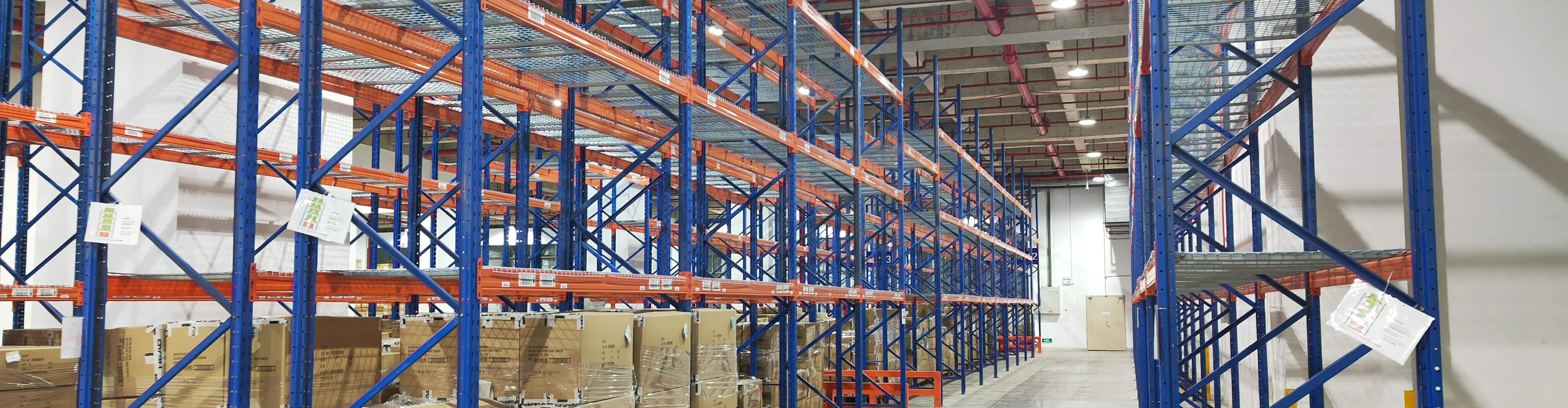
Heavy duty metal shelving is widely used because it gives businesses a practical way to store medium to heavy loads with better durability, organization, and long-term flexibility than lighter shelving options. For warehouses, workshops, back-of-house storage areas, and industrial stockrooms, the main benefits usually come down to strength, better use of vertical space, easier stock access, and a longer service life under demanding conditions.
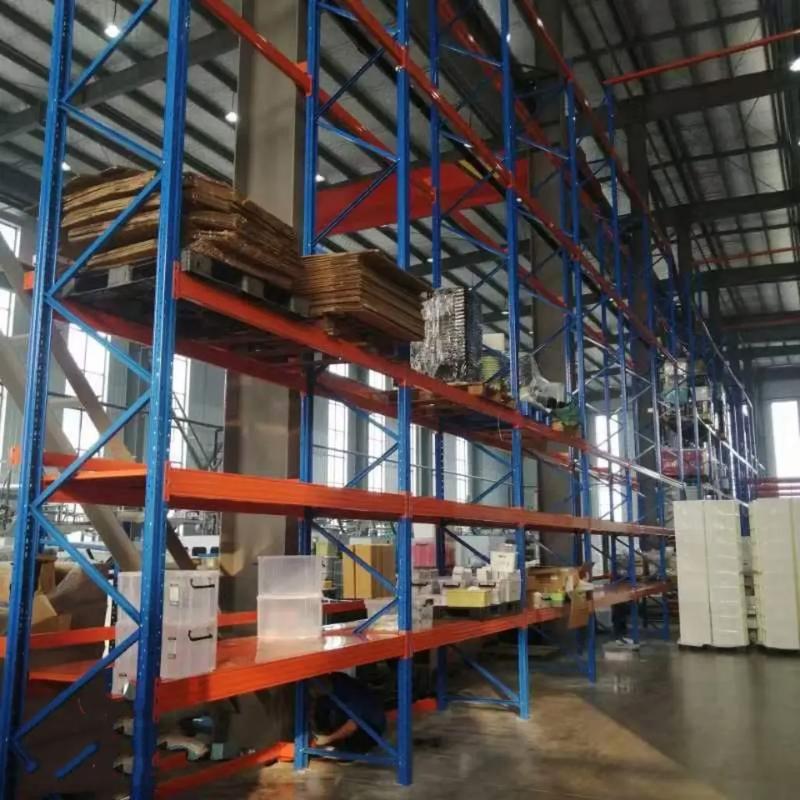
That headline answer is useful, but the real value depends on how the shelving will be used. A warehouse storing cartons, parts, tools, archive boxes, components, or irregular inventory has different needs from a facility handling full pallets by forklift. Heavy duty metal shelving sits in that important middle ground: stronger and more durable than light shelving, but often more accessible and pick-friendly than pallet racking for smaller unit loads.
This article explains the main benefits of heavy duty metal shelving, where it fits best, what operational advantages it can bring, and what buyers should check before choosing a system.
What Is Heavy Duty Metal Shelving?
Heavy duty metal shelving is a storage system built from steel or other robust metal components designed to support higher loads than standard office, retail, or light-duty shelving. It is commonly used for hand-loaded inventory, cartons, bins, spare parts, tools, maintenance supplies, and other stock that needs direct shelf access.
In practical terms, heavy duty metal shelving is often chosen when a business needs:
- higher load capacity per shelf level
- better resistance to wear, impact, and daily use
- organized storage for a wide range of SKUs
- direct picking access without pallet handling equipment
- a system that can be adjusted as inventory changes
It is not the right answer for every storage problem. If the operation is mainly storing full pallets with forklift access, pallet racking may be more suitable. But for hand-picking environments and mixed inventory, heavy duty metal shelving can be a very efficient choice.
Main Benefits of Heavy Duty Metal Shelving
1. Higher load capacity for demanding storage needs
The most obvious benefit of heavy duty metal shelving is its ability to carry more weight safely than light-duty alternatives. This matters in industrial environments where shelves may need to hold dense cartons, metal components, machine parts, hardware, fluids, tools, or bulk-packed stock.
Higher load capacity helps in two ways. First, it reduces the risk of shelves deforming, sagging, or failing under normal use. Second, it gives the operation more flexibility because stock profiles often change over time. A shelving system that is already near its limit on day one leaves little room for product changes, denser packaging, or mixed storage.
That said, buyers should always check stated load ratings carefully and apply them correctly. Shelf capacity depends on shelf dimensions, beam configuration, load distribution, and installation quality. Overloading even heavy duty metal shelving can create safety and maintenance issues.
2. Better durability in industrial environments
Warehouses and production support areas are hard on storage equipment. Shelving is exposed to repeated loading and unloading, trolley contact, occasional impact, dust, vibration, and sometimes moisture or temperature variation. Heavy duty metal shelving is valued because it generally stands up better to that environment than lighter systems made for office or retail use.
Durability is not only about avoiding replacement cost. It also affects operational reliability. Bent shelves, unstable frames, or damaged connections can slow down picking, create housekeeping problems, and increase the chance of product damage. A stronger shelving system usually gives more consistent performance over time, especially in busy facilities with frequent stock movement.
For buyers comparing options, the practical question is not simply whether the shelving is metal, but whether it is designed for industrial duty rather than occasional storage use.
3. Efficient storage for hand-picked inventory
One of the strongest advantages of heavy duty metal shelving is how well it supports direct access to stored goods. If staff need to pick individual cartons, loose items, bins, or parts manually, shelving is usually more efficient than storing everything on pallets.
This direct accessibility helps with:
- faster order picking
- clear SKU separation
- simpler cycle counting
- better visual stock control
- reduced handling for smaller items
In operations with many SKUs and relatively low quantities per SKU, heavy duty metal shelving can improve picking flow because each item has a defined location and is easy to reach. That can reduce search time and make replenishment easier to manage.
However, the layout still matters. Shelf depth, bay width, aisle spacing, and pick height should all be planned around the actual workflow. A strong shelving system does not automatically create an efficient picking operation if the location plan is poor.
4. Good use of vertical space
Heavy duty metal shelving helps businesses use building height more effectively, especially where floor space is limited but stock does not need pallet-racking-style storage. By adding more shelf levels within safe reach zones or using taller shelving with proper access methods, a facility can increase storage capacity without immediately expanding its footprint.
This is especially useful in:
- parts stores
- e-commerce picking areas
- maintenance stores
- service depots
- backroom inventory zones
- small warehouses with high SKU counts
The practical benefit is often lower pressure on floor space. More usable vertical storage can free up room for packing benches, staging lanes, pedestrian routes, or production support activities.
Still, vertical expansion has limits. Shelf levels placed too high can slow picking, increase manual handling risk, and require ladders or access equipment. Ceiling height, lighting, sprinkler clearance, and safe retrieval methods should all be considered before maximizing height.
5. Flexible shelf adjustment and reconfiguration
Inventory rarely stays static. Product dimensions change, packaging changes, and some SKUs become faster or slower moving over time. Heavy duty metal shelving is often chosen because it can usually be reconfigured more easily than fixed cabinetry or less adaptable storage formats.
Adjustable shelf levels allow businesses to:
- reduce wasted vertical gaps between shelves
- store mixed item sizes more efficiently
- reorganize locations during SKU growth
- adapt the layout for seasonal or project stock
- support changing pick profiles
This flexibility is commercially important. A storage system that can adapt may remain useful for much longer, reducing the need for early replacement or major layout disruption. For growing operations, that can be a significant advantage.
When reviewing heavy duty metal shelving, it is worth checking how easy it is to adjust shelf positions, add bays, or integrate dividers, bins, and accessories if needed.
6. Cleaner organization and better stock visibility
Heavy duty metal shelving supports a more structured storage environment. Clear shelf levels, defined bay positions, and visible stock locations make it easier to label products, separate fast and slow movers, and maintain picking discipline.
Better visibility supports day-to-day operations in several ways:
- staff can find items faster
- misplaced stock is easier to spot
- inventory checks are simpler
- housekeeping standards are easier to maintain
- replenishment needs are more visible
In practical warehouse terms, this can reduce small but costly inefficiencies. Time lost searching for parts, opening mixed cartons, or checking unclear locations adds up quickly. Heavy duty metal shelving does not solve inventory control by itself, but it gives the business a more manageable physical structure to support it.
7. Suitable for a wide range of commercial applications
Another benefit of heavy duty metal shelving is its versatility. It can work across many sectors and storage functions, including spare parts storage, maintenance rooms, tool cribs, archive storage, wholesale inventory, component storage, and order-picking areas.
This broad suitability is useful for businesses that need one storage format across multiple departments. For example, a facility might use heavy duty metal shelving in a maintenance store, a packing supply area, and a finished goods picking zone, even though each area holds different items.
That said, versatility should not be confused with universal suitability. Heavy duty metal shelving is generally less appropriate for very heavy full-pallet storage, high-density pallet operations, or environments where automated handling systems require a different storage design.
8. Longer service life and better lifecycle value
While initial purchase price matters, commercial buyers usually care more about total value over time. Heavy duty metal shelving often delivers better lifecycle value because it is built for repeated use, can tolerate heavier loads, and may remain serviceable through multiple inventory changes and warehouse reconfigurations.
That does not mean every heavy duty metal shelving system is automatically economical. Value depends on choosing a system that matches the application. Overspecifying a shelving system can add unnecessary cost, while underspecifying it can lead to early damage, operational frustration, and replacement expense.
A sensible evaluation looks at:
- expected load per shelf and per bay
- frequency of access
- risk of impact or rough handling
- likelihood of future expansion
- maintenance requirements
- ease of replacing components if damaged
From a purchasing standpoint, the strongest value often comes from selecting a shelving system that is robust enough for real operating conditions without paying for capacity or complexity the site will never use.
Operational Benefits Beyond Storage Capacity
The benefits of heavy duty metal shelving are not limited to weight support. In many facilities, the bigger gains come from workflow improvement. When stock is easier to organize and access, staff can work faster and with fewer errors.
Examples of operational benefits include:
- shorter travel and search time in picking areas
- better slotting of fast-moving and slow-moving SKUs
- improved stock rotation where shelf presentation is clear
- less product damage from unstable stacking
- more controlled use of storage space
These gains depend on planning. If shelf locations are overcrowded, aisles are too narrow, or replenishment stock blocks pick faces, the shelving will not deliver its full operational value. Good storage equipment still needs a workable layout and sensible stock control rules.
When Heavy Duty Metal Shelving Works Best
Heavy duty metal shelving is usually a strong fit when the inventory is too heavy or demanding for light shelving but does not justify pallet racking for every item. It is particularly useful when staff need direct access to individual products rather than full load handling.
Typical good-fit situations include:
- warehouses with many small to medium-sized SKUs
- parts storage with frequent manual picking
- maintenance and engineering stores
- bulk carton storage for hand loading
- stockrooms where organization and visibility matter more than pallet density
It can also work well as a secondary storage system alongside pallet racking. Many facilities use pallet racking for reserve stock and heavy duty metal shelving for forward picking, split cases, or slower-moving parts.
Limitations and Trade-Offs to Consider
Although heavy duty metal shelving offers many benefits, it is not the right solution for every warehouse layout or stock profile.
Some common limitations include:
- less suitable than pallet racking for full-pallet storage
- lower storage density than some specialized systems
- manual access may limit efficiency for very high-volume operations
- poorly planned shelf heights can create ergonomic issues
- very heavy or awkward items may still require a different storage method
Buyers should also think about floor condition and installation location. Uneven floors can affect stability and alignment. In busy mixed-use areas, shelving may need protection if there is a risk of collision from pallet trucks, carts, or forklifts operating nearby.
What to Check Before Buying Heavy Duty Metal Shelving
Before choosing heavy duty metal shelving, it helps to review the application in practical terms rather than focusing only on dimensions and price.
Key decision points
- Load profile: What is the actual weight per shelf level, and is it evenly distributed?
- Item size range: Will the shelves store uniform cartons, mixed parts, bins, or awkward products?
- Access method: Is the stock hand-picked, trolley-picked, or replenished from pallet stock?
- Aisle width: Is there enough room for safe access, replenishment, and housekeeping?
- Height planning: Can upper levels be reached safely and efficiently?
- Expansion needs: Will future SKU growth require more bays or layout changes?
- Environment: Is the area dry, dusty, or exposed to conditions that may affect finish and durability?
These checks help avoid a common mistake: buying shelving based on headline capacity without thinking through how people will actually use it every day.
Maintenance and Safety Considerations
Even durable heavy duty metal shelving needs routine checks. In industrial use, small issues can develop gradually and be missed until they affect safety or efficiency.
Basic inspection points include:
- damaged uprights or frames
- bent or overloaded shelf levels
- loose bolts, clips, or connections
- corrosion or finish damage in harsh environments
- unstable loading or poor weight distribution
- obstructed aisles and poor housekeeping around shelving bays
Good practice also includes posting or recording load information clearly, training staff not to overload shelves, and checking that heavy items are stored on appropriate levels. If the shelving is located near vehicle traffic, physical protection may be worth considering.
Routine inspection is not just about compliance. It helps preserve the benefits of heavy duty metal shelving by keeping the system safe, organized, and reliable over time.
FAQ
Is heavy duty metal shelving better than standard shelving?
It is better when the application involves higher loads, more frequent use, or a tougher operating environment. For light office or archive use, standard shelving may be enough. For industrial stockrooms and warehouse picking areas, heavy duty metal shelving is often the more practical choice.
Can heavy duty metal shelving replace pallet racking?
Not always. Heavy duty metal shelving is usually better for hand-loaded items, cartons, bins, and parts. Pallet racking is generally more suitable for full pallets handled by forklifts.
What industries use heavy duty metal shelving?
It is commonly used in warehousing, manufacturing support, engineering stores, wholesale distribution, maintenance departments, automotive parts storage, and commercial backroom inventory areas.
What is the main advantage of heavy duty metal shelving?
The main advantage is that it combines higher strength with direct access storage. That makes it useful for businesses that need durable shelving for heavy or mixed inventory while keeping products visible and easy to pick.
Conclusion
The main benefits of heavy duty metal shelving are strength, durability, flexibility, better stock organization, and efficient access for hand-picked inventory. For many warehouses and industrial storage areas, it offers a practical balance between load capacity and day-to-day usability.
The best results come when heavy duty metal shelving is selected around real operating needs: load weight, SKU mix, pick method, aisle layout, available height, and future expansion. Used in the right application, it can improve storage control, support safer handling, and provide solid long-term value without the complexity of systems designed for full-pallet storage.