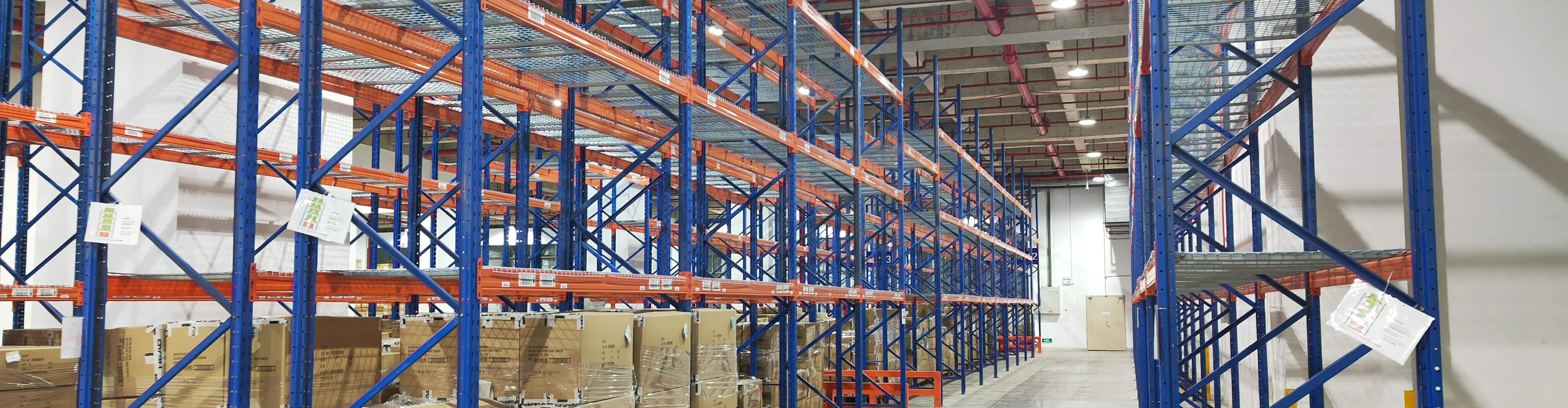
Heavy duty metal shelving is a practical storage solution for businesses that need stronger, more durable shelving than standard commercial units but do not require full pallet racking for every item. It is commonly used to store cartons, bins, tools, components, spare parts, archive boxes, maintenance supplies, and medium-weight inventory in factories, warehouses, and workshops. The right system improves organization, picking efficiency, and use of vertical space, but the wrong specification can create access problems, wasted capacity, or safety risks.
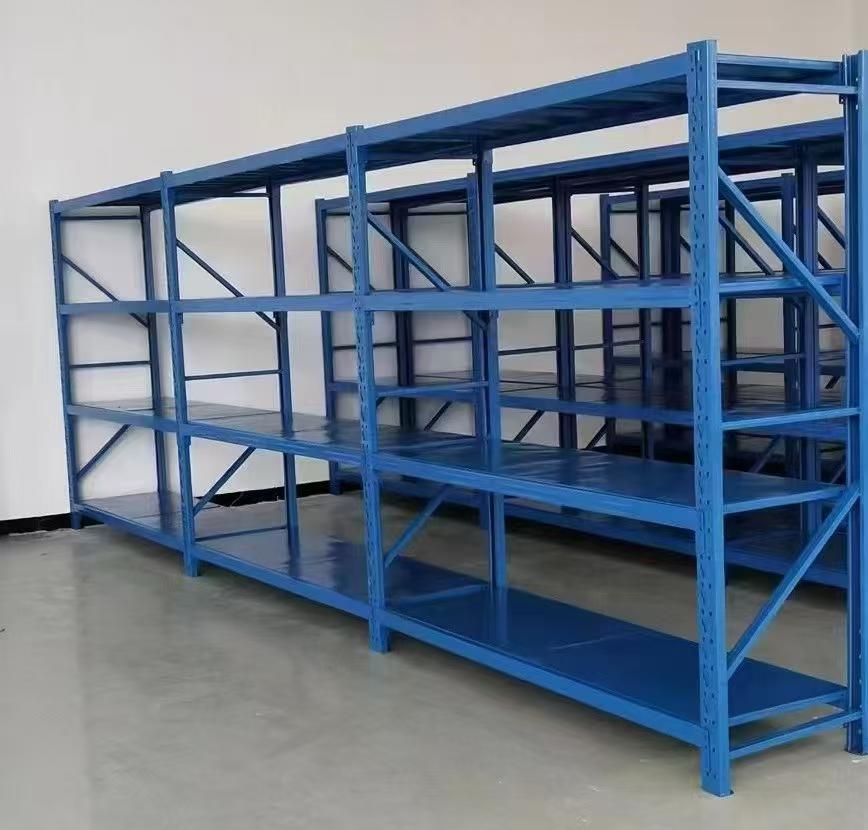
For most industrial buyers, the key question is not simply whether heavy duty metal shelving is strong enough. The real decision is whether it matches the load profile, picking method, floor space, access pattern, and future growth of the operation. A shelving system that works well in a maintenance store may be inefficient in a fast-picking warehouse, while a layout that suits boxed inventory may be unsuitable for long, irregular, or palletized goods.
What heavy duty metal shelving is used for
Heavy duty metal shelving is designed for hand-loaded or manually accessed storage where items are too heavy, too dense, or too operationally demanding for light-duty shelving. In industrial environments, it often sits between light shelving and pallet racking in terms of load capacity and application.
Typical uses include:
- Spare parts storage in factories and maintenance rooms
- Carton storage for order picking in warehouses
- Bulk component storage in workshops and assembly areas
- Tooling, hardware, and consumables storage
- Back-of-house inventory for production support
- Archive or records storage where stronger shelf levels are needed
Its main advantage is accessibility. Staff can usually pick directly from shelf levels without pallets, forklifts, or specialized handling equipment. That makes it useful for operations with many SKUs, frequent manual retrieval, and mixed item sizes.
Where heavy duty metal shelving fits in an industrial storage plan
Not every product should go onto heavy duty metal shelving. It is most effective when inventory needs direct access at item, carton, or bin level. If goods are stored mainly as full pallets, pallet racking is often a better choice. If the stock is very small and lightweight, lighter shelving or drawer systems may be more space-efficient. If items are long or awkwardly shaped, cantilever storage may be more suitable.
In practice, many facilities use heavy duty metal shelving as part of a mixed storage strategy. For example, pallet racking may hold reserve stock, while shelving supports forward picking. In workshops, shelving may be installed near workstations for parts access, while larger raw materials are stored elsewhere. In factories, shelving often supports maintenance, line-side supply, and tool control rather than bulk warehousing.
This is why shelving selection should be based on workflow, not just load capacity. The better question is: how will people actually use the shelves during a normal shift?
Key benefits of heavy duty metal shelving
Direct access to stored items
One of the main reasons businesses choose heavy duty metal shelving is that every shelf level can be reached directly. This supports faster manual picking and reduces time spent moving other stock to reach the required item.
Better organization for mixed inventory
Factories and workshops often hold a wide range of SKUs in different carton sizes, bins, loose parts, and maintenance packs. Shelving provides clearer product separation than floor stacking and can be easier to manage than pallet locations for smaller items.
Efficient use of vertical space
Well-planned shelving helps recover unused wall height and reduce floor congestion. However, usable height depends on safe manual reach, access equipment, and replenishment method. Simply installing taller shelving does not always improve efficiency if upper levels are hard to access.
Durability in tougher environments
Industrial shelving is generally chosen because it performs better than office or retail shelving in working environments with heavier loads, more frequent handling, dust, vibration, or nearby equipment movement.
Flexible configuration
Shelf levels can often be adjusted to suit changing carton heights, bin sizes, or parts storage requirements. This flexibility is useful in operations where product lines change over time.
Important selection factors before buying heavy duty metal shelving
Load per shelf and total bay load
This is the first technical point to confirm. Buyers should understand not only the total weight of stored goods, but also how that weight is distributed. A shelf carrying small metal parts in bins behaves very differently from one carrying bulky but lighter cartons. Overloading a single level or creating uneven load distribution can shorten service life and create safety concerns.
It is also important to consider future loading. Shelving that is adequate for current stock may become unsuitable if SKU mix changes or stockholding increases.
Type of items being stored
Heavy duty metal shelving works best for cartons, bins, tools, components, packaged parts, and similar goods. It may be less suitable for:
- Long items such as pipes, bars, or profiles
- Very deep or oversized products
- Full pallets handled by forklift
- Loose materials that require special containment
- Very small high-value items better suited to drawers or secure cabinets
The shape, footprint, and handling frequency of the stored product matter as much as its weight.
Manual picking versus bulk storage
If staff need to pick individual items repeatedly throughout the day, shelving can improve productivity. If the stock is mostly reserve inventory with infrequent access, pallet racking or block storage may use space more efficiently. A common mistake is using shelving for inventory that is rarely touched, which can consume valuable picking space without adding operational value.
Aisle width and access method
Before installing heavy duty metal shelving, check how people and equipment will move through the area. Narrow aisles may increase storage density, but they can slow picking, create congestion, and make replenishment more difficult. In workshops, access may be obstructed by benches, machines, or mobile carts. In warehouses, traffic from pallet trucks or forklifts should not interfere with shelf access.
If replenishment involves ladders, trolleys, or picking carts, that should be reflected in aisle planning from the start.
Ceiling height and practical picking height
Tall shelving can improve cube utilization, but only if upper levels remain usable. In many operations, the highest shelf levels are suitable for slower-moving stock or reserve cartons, while fast-moving items should stay in the ergonomic picking zone. If staff must overreach or use unsafe methods to access upper shelves, the layout is not well planned.
Floor condition and installation area
Industrial shelving performs best on a suitable floor surface. Uneven, damaged, or weak floors can affect stability and alignment. This is especially relevant in older workshops or converted industrial buildings where floor condition may vary between areas. The surrounding environment also matters. Moisture, corrosion risk, heat, or exposure to impact should be considered during product selection and placement.
Heavy duty metal shelving in factories
In factories, heavy duty metal shelving is often used for MRO supplies, spare parts, tooling, production consumables, and line-side inventory. The main requirement is usually reliable access rather than maximum storage density.
Good factory shelving layouts reduce time spent searching for parts and support clearer stock control. They also help separate maintenance stock from production material and reduce clutter around machinery. However, shelving placed too close to active equipment, traffic routes, or maintenance access points can create operational problems. Clearance around doors, panels, and service areas should always be considered.
For production support areas, a common planning priority is replenishment flow. If shelf stock is consumed quickly, the replenishment route from reserve storage should be simple and safe. If not, operators may create unofficial overflow storage on the floor, which defeats the purpose of the shelving system.
Heavy duty metal shelving in warehouses
In warehouses, heavy duty metal shelving is typically used for carton picking, split-case picking, spare parts, returns processing, and small-to-medium SKU storage. It is especially useful where many products need direct access and each location holds limited stock.
That said, shelving is not always the most space-efficient warehouse solution. Where inventory is pallet-based, pallet racking will usually provide better compatibility with forklift handling. Where SKU count is very high and item sizes are small, bin shelving, drawer cabinets, or multi-tier shelving may be worth evaluating depending on the operation.
Warehouse managers should also think about replenishment frequency. A shelving area with fast-moving SKUs can work well, but only if reserve stock locations, travel paths, and labor planning support timely refill. If replenishment is slow or inconsistent, empty pick faces and stockouts become more likely.
Heavy duty metal shelving in workshops
Workshops often need heavy duty metal shelving for tools, hardware, fabricated parts, maintenance items, and job-specific materials. In this environment, visibility and control are usually as important as load capacity. Teams need to find parts quickly, return items to the correct position, and avoid building up disorder around workstations.
For workshops, practical details matter:
- Shelf depth should suit the item without making rear stock hard to reach
- Frequently used items should stay between knee and shoulder height
- Heavier stock should be kept on lower levels
- Clear labeling supports faster retrieval and stock checks
- Open shelving should not obstruct emergency routes or machine access
Where workshops handle oil, metal dust, or abrasive debris, housekeeping becomes part of shelving performance. Dirty or cluttered shelf levels reduce visibility and can make inventory control unreliable.
Common mistakes when specifying heavy duty metal shelving
Choosing by price alone
Low-cost shelving can become expensive if it does not match the actual load, environment, or workflow. Replacement, reconfiguration, and operational inefficiency often cost more than getting the specification right at the start.
Ignoring SKU profile
A shelving layout should reflect the number of SKUs, item dimensions, pick frequency, and replenishment pattern. Without that, shelf space is often wasted and locations become difficult to manage.
Using one shelf size for everything
Standardization can simplify purchasing, but too much uniformity may reduce space efficiency. Mixed inventory sometimes needs different shelf heights, bay widths, or accessories to work properly.
Overlooking future expansion
Businesses often buy for current stock levels only. If product range, spare parts holding, or order volume grows, the system may become crowded quickly. It is sensible to consider whether the shelving line can be extended or reconfigured later.
Poor location planning
Even suitable heavy duty metal shelving can underperform if placed in the wrong area. Shelving should support workflow, not obstruct it. Positioning near dispatch, assembly, maintenance, or production should be based on stock movement patterns.
Maintenance, inspection, and safe use
Like other industrial storage equipment, heavy duty metal shelving should be checked regularly for damage, overloading, loose components, corrosion, or misuse. While shelving is often treated as simple equipment, neglect can still lead to instability, reduced capacity, or unsafe access.
Routine checks should include:
- Visible frame damage or distortion
- Loose bolts, clips, or shelf supports where applicable
- Sagging shelf levels or signs of overload
- Corrosion in damp or aggressive environments
- Anchoring condition if the system is floor-fixed
- Obstructions, poor housekeeping, or unsafe loading practices
Operational discipline matters too. Staff should avoid climbing on shelves, storing loads beyond intended limits, or placing very heavy items on upper levels. If forklifts operate nearby, physical protection and clear separation may be needed to reduce impact risk.
How to decide if heavy duty metal shelving is the right choice
Heavy duty metal shelving is usually a strong fit when you need direct manual access to medium-weight inventory, clear SKU organization, and durable storage for industrial use. It is especially useful for parts storage, carton picking, workshop supplies, and factory support stock.
It may be less suitable when:
- Most inventory is stored and moved as full pallets
- Products are very long, oversized, or irregular
- Storage density is the main objective
- Access requires frequent mechanical handling rather than manual picking
- The operation needs highly secure or enclosed storage for sensitive items
A practical evaluation should look at product type, handling method, pick frequency, available height, aisle space, and expected growth. In many facilities, shelving is most effective when integrated with other systems rather than used as a one-size-fits-all answer.
FAQ
What is the difference between heavy duty metal shelving and pallet racking?
Heavy duty metal shelving is generally intended for hand-loaded or manually accessed goods such as cartons, bins, tools, and parts. Pallet racking is designed primarily for palletized loads handled by forklifts or other equipment.
Is heavy duty metal shelving suitable for warehouses?
Yes, especially for carton picking, spare parts, returns, and high-SKU storage where direct access matters. It is less suitable for operations focused mainly on full-pallet storage.
Can heavy duty metal shelving be used in a workshop?
Yes. It is commonly used in workshops for tools, components, maintenance items, and job materials. Layout and shelf heights should support safe access and good housekeeping.
What should buyers check before choosing heavy duty metal shelving?
Key points include shelf load, total bay load, SKU mix, item dimensions, aisle width, picking method, floor condition, ceiling height, and whether the system can adapt to future changes.
Conclusion
Heavy duty metal shelving is a reliable industrial storage option when businesses need durable, accessible storage for manually handled goods in factories, warehouses, and workshops. Its value comes from matching the shelving system to the actual operation: what is being stored, how often it is picked, how staff move through the area, and how the business expects to grow. When specified with those practical factors in mind, heavy duty metal shelving can improve organization, support safer storage, and make day-to-day inventory handling more efficient.