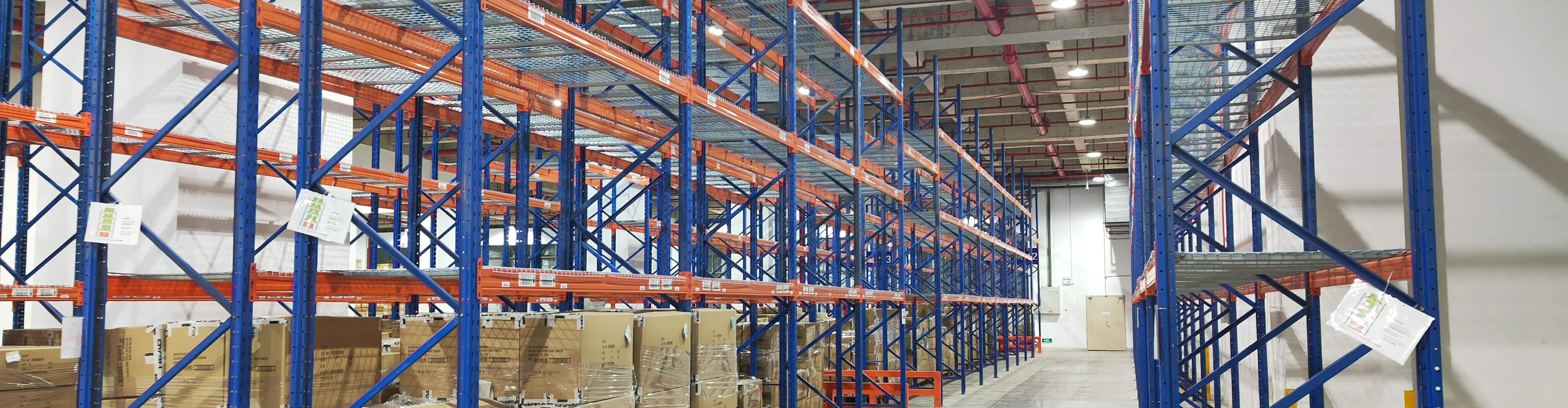
Heavy duty metal shelving lasts longer when it is used within its load limits, inspected regularly, kept clean, and protected from avoidable damage. In most warehouses, early problems are not caused by the shelf material itself but by overloading, forklift impact, loose components, corrosion, poor housekeeping, and small defects that go unreported.
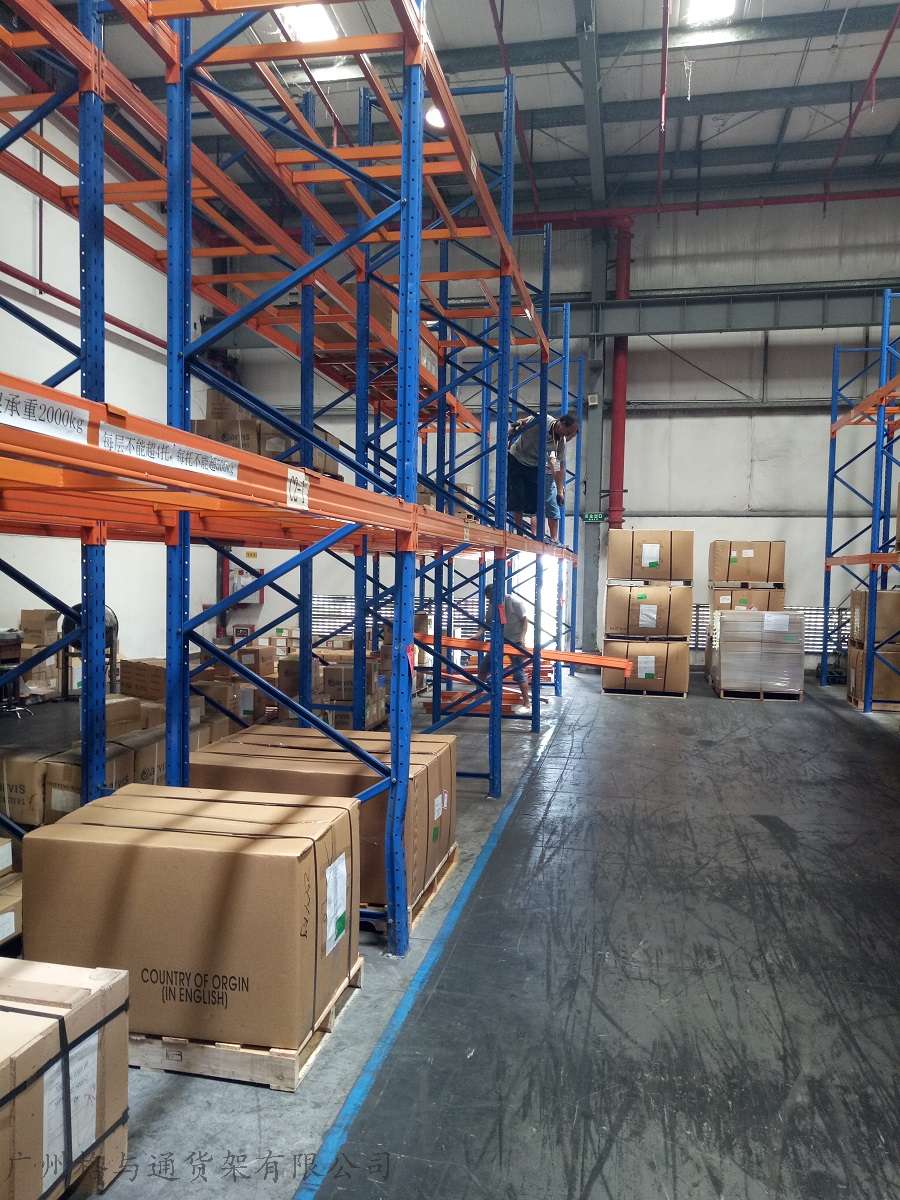
A practical maintenance plan for heavy duty metal shelving should cover daily visual checks, scheduled inspections, cleaning, load control, and prompt replacement of damaged parts. The goal is not only to extend service life, but also to reduce safety risk, avoid unplanned downtime, and protect inventory.
Why maintenance matters for heavy duty metal shelving
Heavy duty metal shelving is often treated as a static warehouse asset that needs little attention after installation. In reality, shelving systems operate in a demanding environment. They may be exposed to pallet handling equipment, constant picking activity, shifting SKU profiles, uneven loading, dust, moisture, and frequent layout changes.
When maintenance is neglected, small issues can build into larger operational problems. A bent upright can reduce structural reliability. A loose bolt or missing clip can affect shelf stability. Surface corrosion can spread in humid or washdown areas. Stored goods may also become a hazard if levels are overloaded or if items project into walkways and forklift routes.
For warehouse managers and site supervisors, maintaining heavy duty metal shelving is part of normal risk control. It also supports better asset value over time, especially in facilities that expect long service life from shelving and racking investments.
Start with the manufacturer documentation and load information
The first step in maintaining heavy duty metal shelving is knowing what system you actually have. Many warehouses expand over time, replace parts in stages, or relocate shelving between sites. That can make it harder to confirm original load ratings, compatible components, and installation details.
Keep the following information available where possible:
- Original product specifications and installation instructions
- Load capacity per shelf level and per bay
- Component lists for uprights, braces, beams, clips, shelves, and anchors
- Any site-specific operating rules for loading or access
- Maintenance and inspection records
If load signage is missing or unclear, that should be corrected. One common cause of damage to heavy duty metal shelving is not obvious abuse, but gradual overloading after stock profiles change. A shelving system that worked for cartons, bins, or light parts may later be used for denser items without any review of capacity.
Set up a simple inspection routine
Long-term performance depends on routine checks, not occasional reaction after visible damage appears. A useful inspection program for heavy duty metal shelving usually includes three levels: daily observation, periodic internal inspection, and formal review at planned intervals.
Daily visual checks
These do not need to be complicated. Supervisors, forklift operators, and picking staff should be encouraged to notice obvious issues during normal work.
- Look for bent uprights, shelves, or braces
- Check for loose or missing clips, bolts, or fasteners
- Watch for leaning bays or misalignment
- Notice damaged anchors or movement at the base
- Report impact marks from forklifts or pallet trucks
- Check for overloaded levels or badly distributed loads
- Remove debris blocking access around the shelving
In busy facilities, this kind of quick observation often catches problems earlier than a monthly checklist.
Scheduled internal inspections
Assign a responsible person to inspect heavy duty metal shelving at planned intervals. The frequency depends on traffic, load severity, environment, and damage history. A high-activity warehouse with forklifts operating close to shelving will need more frequent review than a backroom parts store with manual access only.
During these inspections, check each bay more carefully for:
- Frame damage, twists, dents, or bowing
- Deformed shelf panels or support members
- Loose base plates and floor anchors
- Corrosion, paint damage, or exposed metal
- Improper shelf spacing changes made by operators
- Unauthorised repairs or mixed components
- Unsafe load placement or overhanging stock
Keep records. Even a basic log with date, location, issue, action taken, and follow-up status is useful for maintenance control.
Periodic formal review
For larger sites, a more structured review helps identify repeated damage patterns. If the same aisle keeps showing impact damage, the issue may not be the shelving alone. It may point to narrow aisles, poor forklift approach angles, floor congestion, or unsuitable handling methods.
This is also the right time to review whether the heavy duty metal shelving is still suitable for the current inventory profile and workflow. Maintenance is not only about fixing damage. It is also about checking whether the system is being used as originally intended.
Control the most common causes of damage
Forklift and equipment impact
Impact damage is one of the most common threats to heavy duty metal shelving in warehouse environments. Even minor contact can weaken components over time, especially at lower upright sections and aisle ends.
To reduce impact risk:
- Protect vulnerable ends with barriers or guards where suitable
- Keep aisles clear and properly marked
- Review aisle width against truck type and turning needs
- Train operators on safe approach and load handling
- Separate pedestrian picking zones from equipment traffic where possible
If a bay has been hit, do not assume it is safe because it still stands upright. Damaged components should be assessed and replaced as needed rather than left in service indefinitely.
Overloading and poor load distribution
Heavy duty metal shelving can fail prematurely when loads are concentrated on one side, placed unevenly across shelf depth, or stacked beyond the rated capacity. This often happens when fast-moving items are added to convenient locations without reviewing weight.
Good practice includes:
- Posting clear load limits
- Training staff to understand shelf and bay capacities
- Placing heavier items on lower levels where practical
- Avoiding point loads that exceed shelf design intent
- Reviewing shelf suitability when SKU mix changes
If your operation has moved from manual picking to storing denser cartons, metal components, tools, or spare parts, the original setup may need adjustment.
Corrosion and environmental exposure
Not all heavy duty metal shelving operates in clean, dry indoor conditions. Some facilities have humidity, condensation, chemical exposure, washdown processes, or open loading areas that accelerate corrosion.
Watch for:
- Rust at cut edges, joints, and scratched surfaces
- Water pooling near base plates
- Condensation in poorly ventilated corners
- Damage to protective coatings
Where corrosion risk exists, cleaning and surface touch-up should be part of maintenance planning. In more aggressive environments, the shelving finish and material specification may need review, because standard painted systems are not equally suitable for every site condition.
Poor housekeeping
Dust, shrink wrap, loose pallets, spilled product, and floor debris may seem like minor issues, but they affect maintenance access and increase damage risk. Debris around the base of heavy duty metal shelving can hide anchor problems, create trip hazards, and interfere with proper inspection.
Good housekeeping also makes it easier to spot fresh damage quickly instead of discovering it weeks later.
What to check during a hands-on shelving inspection
When inspecting heavy duty metal shelving closely, work from the floor upward and review the bay as a whole rather than looking at one component in isolation.
Base area
- Check anchors for looseness, pull-out, or damage
- Look for cracks or deterioration in the floor around the base
- Confirm base plates are seated properly
- Remove debris that hides damage
Uprights and frames
- Look for dents, bends, twists, and visible misalignment
- Check for scraped coating and exposed steel
- Inspect bracing members for deformation or loose connections
- Compare damaged frames with adjacent undamaged bays if unsure
Shelf levels and supports
- Inspect shelves for sagging, bowing, or local deformation
- Check support clips, beams, and connectors are fully engaged
- Look for missing parts or improvised replacements
- Confirm shelf levels are set evenly and securely
Stored loads
- Check that loads sit squarely on the shelf
- Look for overhang into aisles or walkways
- Review whether heavier stock has been placed on upper levels
- Identify unstable cartons, bins, or loose items that can fall
If any part of the heavy duty metal shelving appears significantly damaged, isolate the affected area if necessary and avoid continued loading until it has been reviewed properly.
Cleaning practices that help extend service life
Cleaning heavy duty metal shelving is not just a cosmetic task. It helps prevent corrosion, improves visibility during inspections, and reduces contamination issues in operations that store packaged products, components, or finished goods.
A practical cleaning approach should match the site environment:
- Remove dust and debris from shelf surfaces and frame bases
- Clean spills quickly to prevent staining or corrosion
- Use cleaning materials that do not damage protective finishes
- Avoid excessive water exposure unless the shelving and environment are suitable for it
- Pay attention to hidden corners where dirt and moisture collect
In facilities with food-adjacent packaging, spare parts, or e-commerce picking, cleaner shelving also supports stock accuracy and easier location checking. If labels, bay markers, or load signs become unreadable due to dirt or wear, replace them promptly.
Do not ignore small changes in alignment or fit
One of the common mistakes with heavy duty metal shelving is waiting until damage becomes obvious. Smaller signs often appear earlier: a shelf no longer sits level, a connector feels loose, a bay looks slightly out of line, or a frame shows fresh scrape marks near forklift height.
These early signs matter because shelving damage is often progressive. A minor impact can weaken a section, and repeated use under load can make the condition worse. Quick intervention is usually less disruptive and less costly than waiting for a larger repair need.
Use only compatible replacement parts
When repairs are needed, avoid mixing unmatched components just to get the bay back into service quickly. Different shelving systems may look similar but have different connection details, load behaviour, and tolerances. Improvised fixes can create hidden weaknesses.
For heavy duty metal shelving, replacement parts should match the original system as closely as possible. That includes shelf panels, support members, clips, bolts, braces, and anchors. If the system is older and exact parts are no longer easy to source, it may be better to review the bay or section more broadly instead of patching it with non-matching pieces.
Train staff on correct day-to-day use
Maintenance is easier when operators and pickers understand how heavy duty metal shelving should be used. Many avoidable problems come from normal work habits rather than intentional misuse.
Training should cover:
- Load limits and why they matter
- Safe placement of heavy items on lower levels
- Reporting impact damage immediately
- Not climbing on shelving unless access equipment and procedures allow it
- Avoiding unauthorised shelf adjustments
- Keeping aisles and shelf bases clear
Where stock changes often, refresher training is useful. A system set up for bin picking may later be used for bulk cartons or tool storage, and staff may not realise the maintenance and loading implications.
Review the shelving when warehouse operations change
Long-term use does not depend on maintenance alone. Heavy duty metal shelving should also be reviewed when the warehouse changes its layout, equipment, stock profile, or picking method.
Examples include:
- Forklifts introduced into areas previously served by hand trolleys
- Higher-density storage added to existing bays
- Ceiling height changes affecting top-level access
- Faster picking activity increasing contact risk
- Expansion into humid or semi-open areas
In these situations, the shelving may still be serviceable, but the maintenance plan may need to become more frequent or more detailed. Sometimes the real issue is suitability rather than condition. A shelving system can be in fair physical shape and still be the wrong fit for a new workflow.
A practical maintenance checklist for heavy duty metal shelving
For day-to-day site use, this simple checklist covers the main priorities:
- Confirm load signs are visible and current
- Inspect for bent uprights, sagging shelves, and loose parts
- Check anchors, base plates, and floor condition
- Look for impact damage at aisle ends and lower frame sections
- Remove debris and clean shelf surfaces regularly
- Watch for rust, coating damage, and moisture exposure
- Replace damaged or missing components with compatible parts
- Record issues and follow through on corrective action
- Retrain staff when stock type or handling methods change
FAQ
How often should heavy duty metal shelving be inspected?
There is no single schedule that fits every site. High-traffic warehouse areas with forklift movement and heavier loads should be checked more often than low-activity manual storage areas. Daily visual awareness plus planned periodic inspections is a practical approach for most operations.
Can bent shelving components be straightened and reused?
That decision should not be made casually. Bent components may have reduced strength even if they appear usable. In most cases, damaged parts are better replaced with compatible components rather than reshaped on site and returned to service without proper review.
What is the biggest maintenance mistake with heavy duty metal shelving?
The most common mistake is ignoring minor damage and continuing normal use. Small impacts, loose fittings, and overloaded shelves often go unreported until the condition becomes more serious and more disruptive to fix.
Does heavy duty metal shelving need different maintenance in humid environments?
Yes. Humidity, condensation, and water exposure increase corrosion risk, especially where protective coatings are scratched. These environments usually need more frequent cleaning, closer inspection of base areas and joints, and faster treatment of surface damage.
Conclusion
Maintaining heavy duty metal shelving for long-term use comes down to consistent inspection, disciplined loading, good housekeeping, and fast response to damage. Warehouses that treat shelving as an active operational asset rather than a passive fixture usually get longer service life and fewer safety issues.
If your heavy duty metal shelving has seen changes in inventory weight, handling equipment, or warehouse layout, maintenance should include a suitability review as well as a condition check. That is often the difference between simply keeping shelving in place and keeping it reliable over time.