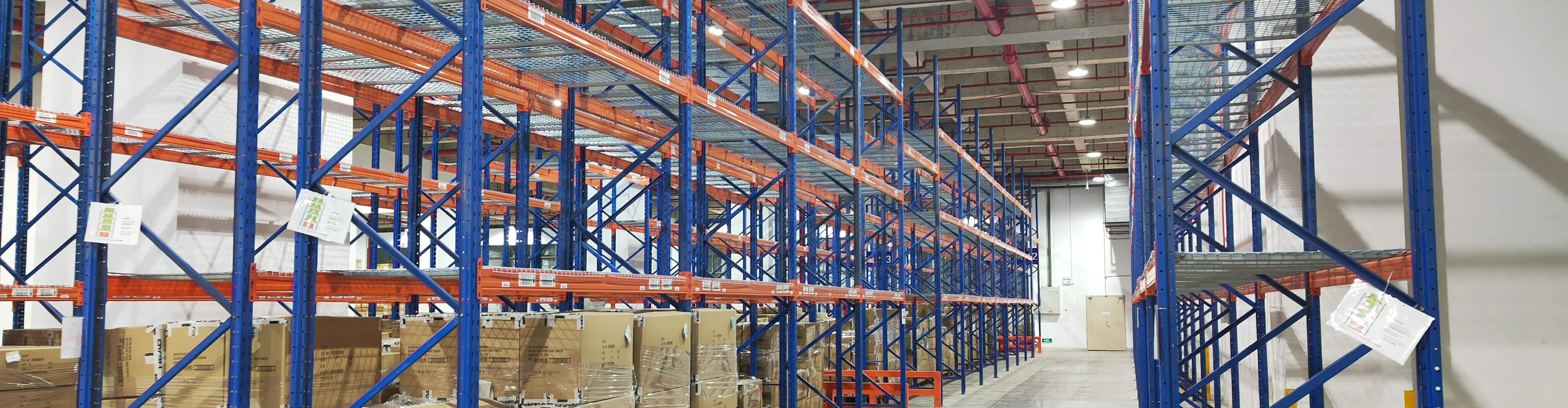
Heavy duty metal shelving can hold anything from a few hundred kilograms per shelf to several thousand kilograms per bay, but the real answer depends on shelf size, beam design, upright strength, decking material, load distribution, and how the system is installed. The safe load is never a fixed number for every unit. It must be based on the manufacturer’s rated capacity for the exact shelving configuration in use.
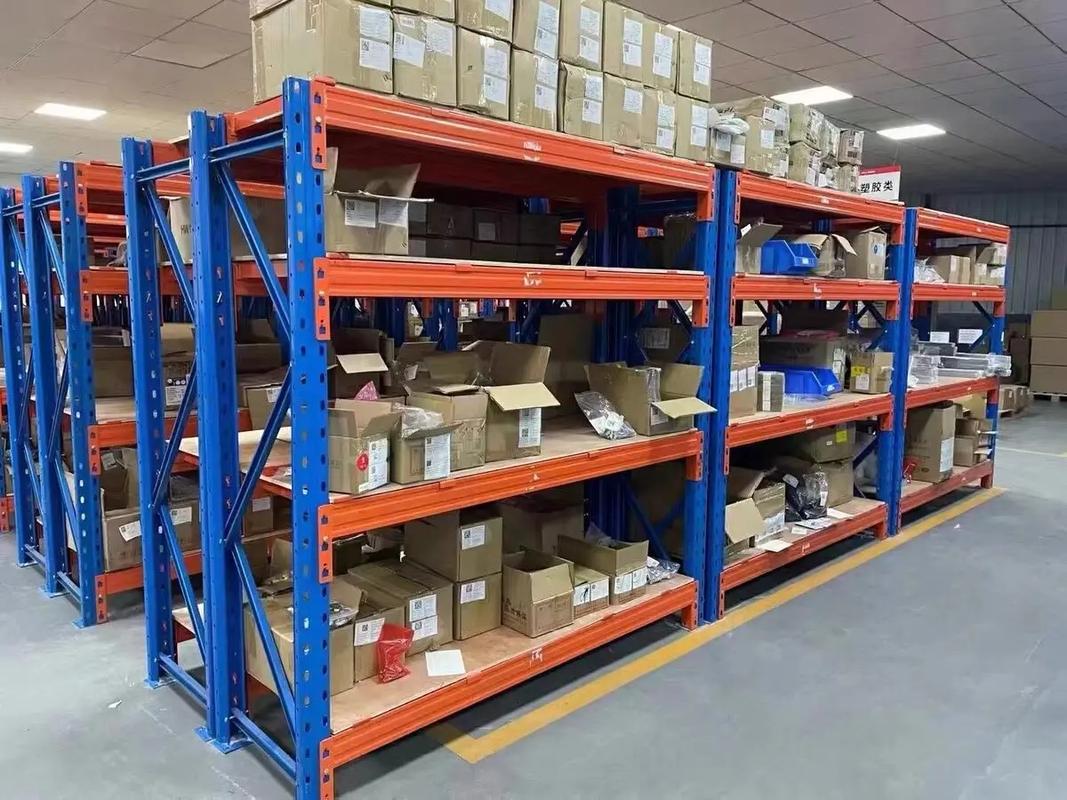
For warehouse managers and buyers, that distinction matters. Two shelving units that look similar can have very different load limits. A short, low bay storing evenly distributed cartons may perform well, while a taller unit with wide spans and point-loaded items may reach its limit much faster. If you are planning storage for tools, parts, archive boxes, cartons, bins, or mixed industrial inventory, understanding how load capacity is determined is more useful than relying on a generic “heavy duty” label.
What determines how much weight heavy duty metal shelving can hold?
The load capacity of heavy duty metal shelving is set by the weakest part of the system, not the strongest. In practice, that means the safe working load depends on how all parts perform together.
- Shelf level capacity: how much weight each shelf can safely support
- Bay capacity: the total allowable load for the complete shelving bay
- Upright frame strength: how much vertical load the posts and frame can carry
- Shelf span: longer spans usually reduce shelf capacity
- Shelf depth: deeper shelves can affect stability and load behavior
- Load type: evenly distributed cartons are different from concentrated machine parts
- Installation quality: anchoring, bracing, and level floors all affect performance
In other words, heavy duty metal shelving is only as strong as its actual specification and installation. Capacity should always be checked at both shelf level and total bay level.
Typical load ranges for heavy duty metal shelving
There is no single universal capacity, but in commercial storage environments, heavy duty metal shelving is generally used for loads well above light office shelving and below full pallet racking duties. Depending on design, shelf levels may support moderate to high loads for hand-loaded inventory, spare parts, cartons, tool storage, archive materials, and maintenance stock.
Some systems are built for relatively dense small-item storage, while others are designed for bulkier and heavier products. A shelving unit with reinforced shelves, shorter spans, and stronger uprights will usually carry more than a taller, wider bay built for lighter picking stock.
That is why buyers should ask for:
- load per shelf level
- total load per bay
- load assumptions, such as evenly distributed load
- maximum height and width for the quoted capacity
- decking or shelf material details
- anchoring or floor fixing requirements
If these points are missing, the quoted capacity is not very useful for planning.
Evenly distributed load vs point load
One of the most common mistakes is assuming that a shelf rated for a certain weight can safely hold that same weight in any pattern. Most heavy duty metal shelving ratings are based on an evenly distributed load.
An evenly distributed load means the weight is spread across the shelf surface. For example, boxes arranged across the full width of the shelf are easier for the shelf to support than one dense motor or die placed in the center.
Point loads create local stress. A single heavy item, especially on a small contact area, can overload the shelf deck or deform the beam even if the total weight appears to be within the published rating.
This matters in real warehouse use when storing:
- metal components in small bins
- tooling concentrated in one area
- dense spare parts
- machined items with narrow base contact
- awkward loads placed near shelf edges
If your inventory is dense and concentrated, standard heavy duty metal shelving may need reinforcement, reduced spans, different shelf materials, or a different storage system altogether.
Why shelf dimensions affect load capacity
Longer shelf spans usually reduce capacity
The wider the shelf opening between uprights, the more bending force the shelf or beams must resist. A long shelf storing the same total weight as a shorter one usually experiences more deflection.
That is why load ratings should always be tied to exact dimensions. A supplier may offer the same shelving family in multiple widths, but each width can have a different safe load.
Taller bays can change overall performance
Tall heavy duty metal shelving helps use vertical space, but increased height affects stability, access, and the total load carried by the uprights. In taller layouts, bay capacity and anchoring become more important.
Tall shelving also changes how stock is handled. If upper levels are accessed by ladders, steps, or order picking equipment, shelf loading should be considered alongside safe picking practice and aisle clearance.
Shelf depth influences usable storage
Deeper shelves can hold more product volume, but only if the load remains stable and accessible. Over-deep shelves often lead to poor picking visibility, uneven loading, and products being pushed to the rear, which can create handling inefficiency and hidden overload conditions.
How the shelving material and design change the rating
Not all heavy duty metal shelving is built the same way. Capacity depends on the profile thickness, steel quality, reinforcement details, shelf construction, and frame geometry.
Common design differences include:
- boltless vs bolted construction
- solid steel shelves vs wire mesh or panel decks
- closed frame vs open frame design
- braced vs unbraced bays
- adjustable shelf clip systems vs fixed shelf positions
These differences affect not just the headline capacity but also rigidity, resistance to accidental dislodgement, and long-term performance under repeated loading.
For example, a shelving system used in a maintenance store for hand-loaded parts may be suitable at one rating, while the same bay used in a production environment with frequent loading impact and denser stock may need a more conservative design approach.
Bay load matters just as much as shelf load
A frequent planning error is checking only the load capacity of each shelf and ignoring the total load on the entire unit. A shelving bay may have four or five shelf levels that each appear acceptable, but the combined weight can exceed what the uprights are designed to support.
This is especially relevant for heavy duty metal shelving used in:
- spare parts stores with dense metal items
- e-commerce picking locations with fast SKU growth
- industrial archives using high box counts
- MRO storage rooms with mixed stock weights
- back-of-house stockrooms where shelves fill gradually over time
As stock profiles change, bay load can creep upward without anyone noticing. That is why load notices and periodic reviews are good practice, especially when shelving is reconfigured or repurposed.
Installation and floor conditions affect safe loading
The rated capacity of heavy duty metal shelving assumes correct installation. If the unit is not level, not braced correctly, poorly anchored where required, or placed on an unsuitable floor, the practical safe load may be lower than expected.
Key site factors include:
- Floor flatness: uneven floors can twist frames and create uneven load transfer
- Floor strength: slab condition matters when high bay loads are concentrated through footplates
- Anchoring: some configurations require floor fixing for stability
- Clearance: tight aisles increase the risk of impact from trolleys or handling equipment
- Environment: damp, corrosive, or dirty areas may reduce long-term condition if not properly specified
In warehouses where forklifts operate nearby, even hand-loaded shelving should be protected if impact risk exists. Upright damage can significantly reduce safe capacity.
When heavy duty metal shelving is the right choice
Heavy duty metal shelving is often a good fit when stock is hand-loaded, SKU count is relatively high, and operators need direct access to many items. It is commonly used for:
- cartons and case goods
- spare parts and maintenance inventory
- tool storage
- archive boxes
- small component bins
- back-up stock for picking areas
It is especially useful when pallet racking would be too large, too open, or inefficient for the item profile. Shelving gives better pick-face accessibility for non-palletized inventory and can make better use of vertical space in smaller footprint areas.
When heavy duty metal shelving may not be suitable
Despite the name, heavy duty metal shelving is not the right answer for every heavy load application. It may be a poor fit when:
- products are stored mainly on pallets
- loads are handled primarily by forklift
- individual items are extremely dense or point-loaded
- stock dimensions vary too much for fixed shelf levels
- high throughput creates repeated impact or rough handling
- very high bay loads are needed in a compact footprint
In those cases, pallet racking, longspan shelving, cantilever systems, or custom-engineered storage may be more appropriate. Choosing shelving simply because it is cheaper or more familiar can create operational problems later.
How to estimate your shelving load requirement
Before selecting heavy duty metal shelving, work through the actual storage requirement instead of guessing from the heaviest single item.
1. Identify what will be stored
List the products by type, dimensions, unit weight, and whether they are loose, boxed, binned, or tray stored.
2. Calculate shelf-level loading
Estimate the maximum realistic weight on each shelf, not just average stock. Include seasonal peaks, overstock situations, and future SKU growth.
3. Check load distribution
Decide whether the load will be spread evenly or concentrated in certain zones. Dense items may need lower spans or stronger shelves.
4. Add the total bay load
Multiply realistic shelf loads across the full unit. This gives a better picture of upright demand.
5. Consider handling method
If staff load by hand, ergonomics matter. Very high shelf loads may be technically possible but operationally poor if heavy items must be lifted above waist or shoulder height.
6. Review the site layout
Check aisle width, access equipment, ceiling height, lighting, and floor condition before finalizing the shelving design.
Common mistakes that reduce safe capacity
Many shelving problems are caused not by poor products, but by poor use. Common issues include:
- overloading shelves beyond posted limits
- placing dense items in one small area
- removing shelves or braces without reassessing capacity
- using damaged components after impact
- mixing incompatible parts from different systems
- ignoring bay load while focusing only on shelf load
- changing inventory profile without reviewing suitability
These mistakes are common in fast-changing warehouses where storage areas are repurposed. A shelving system that was safe for carton picking may not remain suitable when converted to dense parts storage.
Inspection and maintenance points to watch
To keep heavy duty metal shelving operating safely, regular visual checks should be part of warehouse housekeeping. Look for:
- bent uprights or shelf supports
- damaged clips, bolts, or connectors
- shelf deflection or distortion
- corrosion in damp areas
- missing anchors where specified
- leaning bays or poor alignment
- unlabeled or unclear load notices
If damage is found, the safest next step is to unload the affected section and have it reviewed by a competent supplier or qualified specialist. Continuing to use visibly damaged shelving because it still “looks mostly fine” is a common risk in busy operations.
Questions to ask before buying heavy duty metal shelving
- What is the rated load per shelf and per bay?
- Is the rating based on evenly distributed load?
- How do width, depth, and height change the capacity?
- Does the system require floor fixing?
- What type of load is it intended for?
- Can shelves be adjusted without affecting rating?
- What happens if we expand or reconfigure the bay later?
- Is the system suitable for our floor and operating environment?
These questions help separate a usable specification from a vague sales claim.
FAQ
Can heavy duty metal shelving hold pallet loads?
Usually not as a direct substitute for pallet racking. Some shelving may carry heavy goods, but palletized loads handled by forklift are generally better suited to racking systems designed for that purpose.
How can I know the exact load capacity of my shelving?
Check the manufacturer’s load notice, technical documentation, or supplier specification for the exact bay dimensions and configuration. If the shelving has been modified, moved, or repaired, the original rating may no longer apply without review.
Does adding more shelves increase total capacity?
Not automatically. More shelves can increase storage positions, but the total bay load must still remain within the upright frame rating.
Is heavier steel always better?
Not by itself. The full design matters, including bracing, connectors, shelf span, and installation. A stronger-looking component does not guarantee a higher safe system load.
Practical takeaway
If you are asking how much weight heavy duty metal shelving can hold, the safest answer is this: it can hold a substantial load, but only within the tested and specified limits of the exact system, dimensions, and installation. For planning purposes, always check both shelf load and total bay load, confirm whether the rating assumes evenly distributed weight, and match the shelving to the real inventory profile rather than the product label alone.
That approach will give you a safer storage layout, better day-to-day usability, and fewer problems as stock levels change over time.