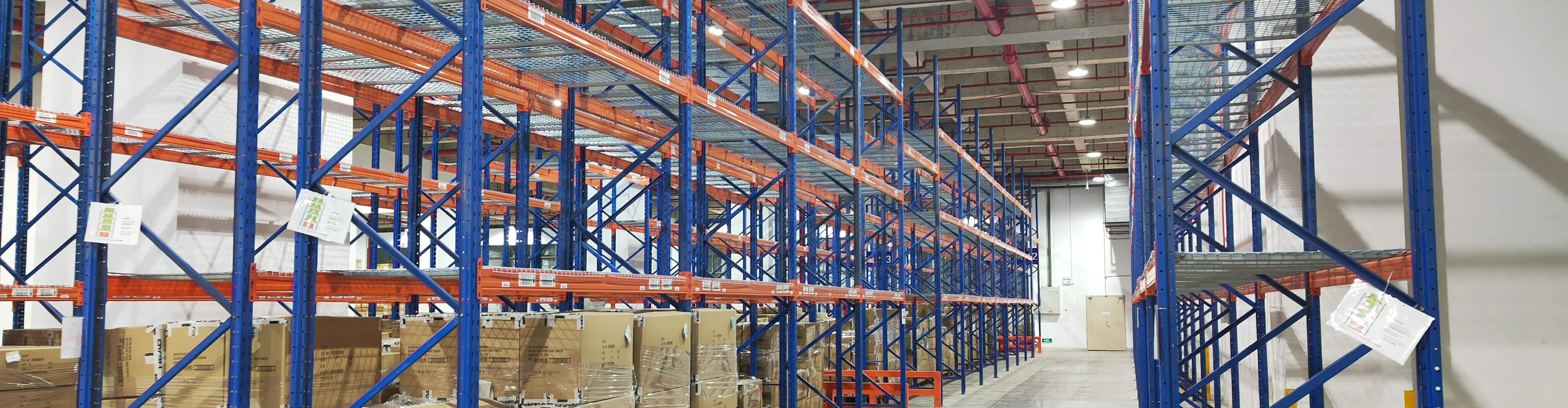
A heavy duty storage rack helps warehouses and industrial facilities store large, heavy, or bulky goods safely while making better use of floor space and building height. The main benefits are higher storage capacity, improved organization, better pallet access, stronger load support, and more efficient day-to-day operations. For many businesses, the right rack system also supports safer handling, easier stock control, and future expansion.
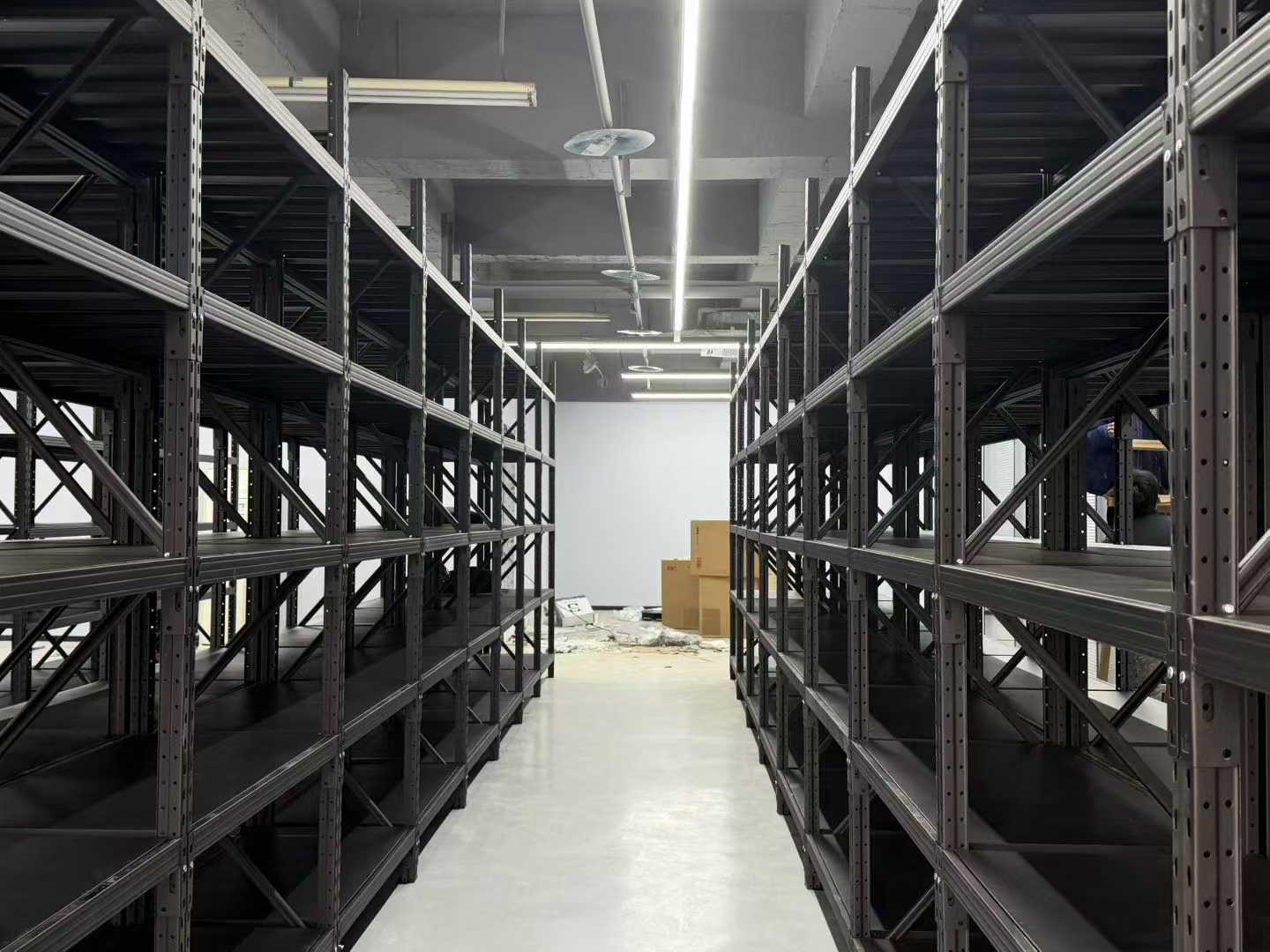
That said, a heavy duty storage rack is not simply a way to stack more products. Its real value depends on how well it matches the load type, pallet dimensions, forklift movement, aisle layout, ceiling height, and inventory flow. A system that works well for full-pallet storage may be less suitable for fast picking or irregular loads. Understanding the practical benefits helps buyers and warehouse managers make better planning decisions.
What Is a Heavy Duty Storage Rack?
A heavy duty storage rack is an industrial racking system designed to carry substantial loads across multiple levels. It is commonly used in warehouses, factories, distribution centers, spare parts storage areas, and back-of-house industrial stockrooms. Compared with light shelving or basic storage frames, a heavy duty storage rack is built for larger load capacities, stronger structural support, and regular use with material handling equipment such as forklifts or pallet trucks.
In practice, this type of rack is often used for palletized goods, cartons on pallets, raw materials, packaged products, tools, dies, and other heavy inventory. The exact rack configuration can vary depending on whether the priority is selectivity, density, picking access, or load type.
Key Benefits of Using a Heavy Duty Storage Rack
1. Better use of warehouse space
One of the clearest benefits of a heavy duty storage rack is improved space utilization. Instead of storing goods directly on the floor, the rack allows vertical storage across several beam levels. This increases the usable cubic capacity of the building rather than relying only on floor area.
For warehouses with limited expansion options, vertical storage can delay the need for additional rented space or building extensions. It also helps separate storage lanes, receiving areas, and picking zones more clearly.
Space gains are most effective when the layout is planned around:
- clear forklift travel paths
- appropriate aisle width
- beam levels suited to pallet height
- building column positions
- sprinkler and lighting clearance
- safe top-of-load clearance under the roof or services
If these factors are ignored, a heavy duty storage rack may still add capacity, but not as efficiently as expected.
2. Strong support for heavy and bulky loads
A heavy duty storage rack is designed for demanding storage conditions where ordinary shelving would be unsuitable. This makes it useful for industries handling dense products, palletized inventory, industrial components, drums, tooling, or packaged raw materials.
The benefit is not only higher load-bearing capability, but also more controlled load placement. Goods can be stored in defined positions rather than stacked unevenly on the floor. This reduces product damage risk caused by unstable floor stacks, collapsed cartons, or poor weight distribution.
However, load capacity must always match the actual goods being stored. Buyers should not assume every heavy duty storage rack suits every pallet weight or load profile. Pallet quality, load overhang, beam span, and upright protection all matter.
3. Improved stock organization
A well-planned heavy duty storage rack makes inventory easier to organize by SKU, batch, supplier, product family, or turnover rate. This is especially valuable in warehouses that need fast stock identification, more accurate replenishment, and reduced search time.
When products are assigned to fixed rack locations, operators can:
- find stock faster
- reduce misplaced pallets
- improve inventory counting accuracy
- support FIFO or other stock rotation methods where required
- separate fast-moving and slow-moving items more clearly
Better organization also helps procurement and operations teams understand true storage capacity and avoid filling aisles or staging areas with overflow stock.
4. Faster access to stored goods
Many businesses choose a heavy duty storage rack because it improves accessibility compared with block stacking on the floor. In selective rack layouts, each pallet position can usually be reached directly, which supports faster put-away and retrieval.
This is useful in operations with a wide SKU mix, mixed order profiles, or frequent stock movement. If forklift operators can access pallets without moving other loads first, picking delays and handling inefficiencies are reduced.
Accessibility benefits depend on the rack type and layout. A highly selective system offers easier access but may use more floor space. A denser layout may improve storage volume but reduce immediate access to every pallet. The right balance depends on inventory flow, not just storage quantity.
5. Better workflow and warehouse efficiency
A heavy duty storage rack can improve warehouse workflow when it is integrated into the actual operating pattern of the site. This includes receiving, put-away, replenishment, picking, packing, and dispatch. Clear storage locations reduce unnecessary forklift travel and make aisle movement more predictable.
In practical terms, the benefits may include:
- shorter travel distance between storage and dispatch
- less congestion in floor stacking areas
- cleaner separation of reserve stock and picking stock
- more disciplined replenishment routines
- better use of labor time
These gains usually come from layout discipline rather than from the rack alone. A heavy duty storage rack performs best when slotting logic, aisle planning, and handling equipment are considered together.
6. Safer storage than uncontrolled floor stacking
When goods are stored directly on the floor, stacks can become unstable, difficult to access, and vulnerable to impact. A heavy duty storage rack creates defined storage levels and load positions, which can improve safety if the system is correctly specified, installed, and used.
Common safety-related benefits include:
- reduced risk of leaning floor stacks
- clearer traffic routes for forklifts and pedestrians
- more consistent load placement
- better visibility of damaged pallets or overloaded positions
- easier housekeeping around stored goods
That said, racking safety depends heavily on proper operation. Overloading, forklift impact, missing safety locks, poor anchoring, or damaged uprights can quickly turn a useful system into a risk. The benefit comes from controlled storage, regular inspection, and correct use.
7. Scalability for business growth
Another important advantage of a heavy duty storage rack is that it can support phased expansion. Many warehouses do not need a full buildout on day one. A modular rack system can often be extended with additional bays, levels, or related storage zones as inventory volume changes.
This is commercially useful for businesses that expect:
- seasonal stock increases
- new product lines
- higher pallet counts
- changes in warehouse allocation
- future relocation or reconfiguration
Expansion planning should still be realistic. It is easier to scale when the original layout leaves room for aisle continuity, forklift turning, and compatible beam levels. If a warehouse is filled too tightly at the start, later expansion can become awkward and costly.
8. More professional storage control for industrial operations
A heavy duty storage rack often helps move a facility from informal storage habits to a more controlled warehouse standard. This matters in industrial environments where stock value, handling frequency, and operational discipline are increasing.
Clear rack labeling, defined load positions, and structured aisles support better internal control. For procurement and operations teams, that can make it easier to monitor capacity, identify underused areas, and justify future storage investment with more confidence.
Where a Heavy Duty Storage Rack Delivers the Most Value
A heavy duty storage rack is especially useful in the following situations:
- warehouses storing palletized goods in medium to high volumes
- facilities with enough clear height to build upward
- operations needing organized reserve storage behind picking areas
- industrial sites handling dense or bulky products
- businesses trying to reduce floor clutter and improve stock visibility
- sites that use forklifts regularly for put-away and retrieval
It is often less effective when inventory is highly irregular, products are not pallet-friendly, floor conditions are poor, or the operation depends mainly on piece picking from many small SKUs better suited to shelving or bin systems.
Important Planning Considerations Before Installation
Although the benefits of a heavy duty storage rack are significant, the system works well only when core planning issues are addressed in advance.
Load type and pallet condition
Not all pallets are consistent. Damaged pallets, uneven loads, or overhanging goods can create handling problems and reduce rack safety. Load dimensions and weight should be understood before beam levels and bay widths are finalized.
Forklift type and aisle width
Counterbalance forklifts, reach trucks, and other handling equipment have different turning requirements and lift characteristics. A rack layout that looks efficient on paper may create daily congestion if aisle width is too tight for the actual trucks in use.
Ceiling height and vertical clearance
Higher storage can increase capacity, but only if there is enough working clearance for lifting, fire protection, lighting, and safe operation. Maximum storage height should not be decided by roof height alone.
Floor condition and anchoring
A heavy duty storage rack depends on a suitable floor for safe installation and stable long-term use. Uneven or damaged floors can affect alignment, anchoring, and load distribution.
SKU mix and stock movement
If the warehouse stores many slow-moving SKUs with occasional access, the layout may differ from a fast-turnover pallet operation. The best design depends on how inventory actually moves, not just how much of it exists.
Inspection and maintenance access
Racking should be easy to inspect for impact damage, beam deflection, missing components, or poor housekeeping. If the layout is too cramped to inspect or maintain properly, long-term reliability can suffer.
Common Mistakes When Choosing a Heavy Duty Storage Rack
- choosing based only on maximum capacity without considering accessibility
- ignoring forklift turning space and operational flow
- using inconsistent pallet sizes in a layout designed for uniform loads
- filling the warehouse too tightly and leaving no room for growth
- overlooking upright protection in high-traffic areas
- assuming all heavy duty rack systems suit all product types
- neglecting regular inspection after installation
These mistakes can reduce the real benefit of a heavy duty storage rack even when the structure itself is sound.
How to Judge Whether a Heavy Duty Storage Rack Is Right for Your Facility
A heavy duty storage rack is usually a strong option if your facility needs structured pallet storage, higher vertical utilization, and reliable access to heavy inventory. It is worth considering when floor stacking is limiting capacity, creating congestion, or making stock control difficult.
Ask these practical questions:
- Are your products mainly stored on pallets or similar load bases?
- Do you need direct access to many pallet positions?
- Is available building height currently underused?
- Can your floor and handling equipment support a rack system properly?
- Do you need a layout that can expand over time?
- Will the rack improve workflow rather than just add storage positions?
If the answer to most of these is yes, a heavy duty storage rack may offer clear operational value.
FAQ
What is the main benefit of a heavy duty storage rack?
The main benefit is the ability to store heavy goods safely and efficiently while using vertical warehouse space more effectively. It also improves organization and access compared with floor stacking.
Is a heavy duty storage rack suitable for every warehouse?
No. It is most suitable for palletized or heavy goods in facilities with the right floor condition, handling equipment, and ceiling height. Some operations with small-item picking may need shelving or mixed storage systems instead.
Can a heavy duty storage rack improve safety?
Yes, if it is properly specified, installed, loaded, and inspected. It can reduce the risks associated with unstable floor stacks, but damaged or overloaded racking creates its own hazards.
What should buyers check before choosing a heavy duty storage rack?
They should review load weights, pallet size consistency, forklift type, aisle width, building height, floor condition, stock movement, and future expansion needs.
Conclusion
The benefits of using a heavy duty storage rack go beyond simply storing more products. A well-planned system can increase storage capacity, improve stock organization, support safer handling, and make warehouse operations more efficient. It can also create a stronger foundation for growth if the layout is designed with real operating conditions in mind.
The best results come from matching the heavy duty storage rack to the actual warehouse environment: load type, access needs, forklift movement, aisle design, and long-term storage strategy. When those factors are addressed properly, the rack becomes a practical operational asset rather than just a steel structure taking up space.