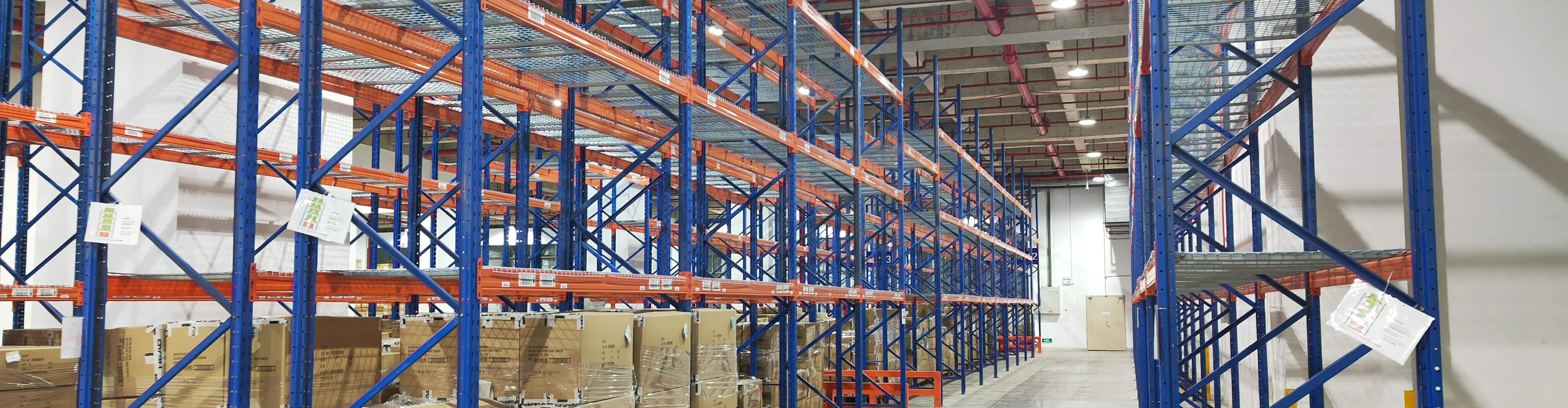
Installing a heavy duty storage rack safely starts long before the first upright is lifted into place. The key steps are to verify load requirements, confirm the floor and layout are suitable, use the correct components and anchors, follow the rack design and assembly sequence carefully, and inspect the system before it is put into service. A rushed installation can create long-term safety risks, reduce rack life, and disrupt warehouse operations.
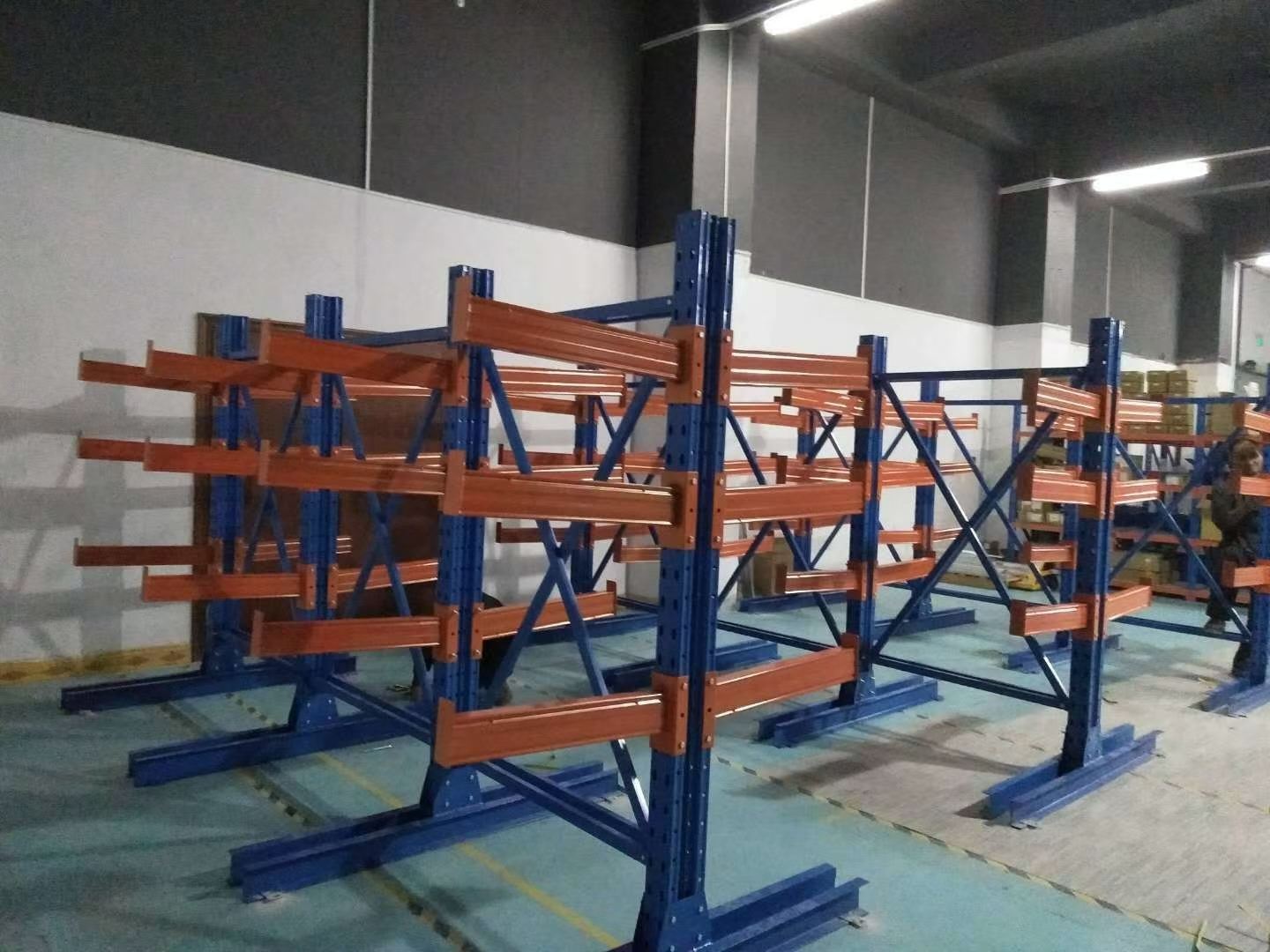
For warehouse managers, project planners, and procurement teams, safe installation is not just a technical task. It affects forklift travel, pallet access, aisle clearance, future expansion, and daily operating discipline. This guide explains how to install a heavy duty storage rack in a practical, step-by-step way, with attention to real warehouse conditions.
What a heavy duty storage rack installation involves
A heavy duty storage rack is designed to hold substantial pallet or bulk loads, often in demanding warehouse and industrial environments. Installation usually includes uprights, beams, bracing, base plates, anchors, safety locks, and in some cases row spacers, guards, wire decking, or support bars.
Safe installation means more than assembling steel frames. It also means checking whether the rack layout matches the building, whether the slab can support the loads, whether forklift handling is compatible with the bay dimensions, and whether the final system will be used within its intended load limits.
Even a well-made heavy duty storage rack can become unsafe if it is installed on an uneven floor, anchored incorrectly, loaded beyond its design, or positioned where operators cannot handle pallets cleanly.
Before installation: confirm the site and system are suitable
Review the rack layout against actual warehouse conditions
Do not assume the drawing will fit the real space without adjustment. Check building columns, wall offsets, dock areas, sprinkler positions, lighting, doors, and overhead obstructions. Ceiling height matters, but usable height matters more. You need enough clearance for pallet placement, beam levels, and forklift mast movement.
If the heavy duty storage rack is being installed in an existing warehouse, also check how traffic flows through the area. A rack row that looks efficient on paper may create turning problems for reach trucks or counterbalance forklifts if aisle width is too tight.
Check floor condition and levelness
Rack performance depends heavily on the floor. Inspect the slab for cracks, spalling, repairs, slope, and unevenness. A heavy duty storage rack installed on a poor floor may lean, twist, or place uneven stress on anchors and uprights.
If the floor is not level, shimming may be required during installation. This should be handled carefully so the rack remains stable and upright. Floor condition is also a commercial issue: if the slab cannot support the intended load, the project may need redesign before installation proceeds.
Verify load requirements
Before assembly begins, confirm:
- Maximum pallet weight
- Load per beam level
- Load per bay
- Number of levels
- Pallet dimensions and overhang
- Handling method and forklift type
A common mistake is installing a heavy duty storage rack based on nominal pallet size while ignoring actual load variation. Mixed pallets, damaged pallets, or inconsistent load placement can change how the rack performs in daily use.
Plan the installation area properly
Clear and mark the work zone
The installation area should be free from active traffic, loose inventory, packaging waste, and unrelated equipment. Mark out the rack footprint clearly so installers can position frames and bays accurately. This reduces the chance of misalignment and avoids rework once anchoring starts.
If the site remains operational during the project, isolate the installation zone from forklifts and pedestrians. A partially assembled heavy duty storage rack is vulnerable to impact and instability until it is fully braced and anchored.
Organize components before assembly
Lay out uprights, beams, anchors, bolts, locks, shims, and accessories in a logical sequence. Check that components match the intended bay sizes and elevations. Do not mix incompatible parts from different rack systems unless compatibility has been confirmed by the appropriate technical source.
Using the wrong beam connector or anchor type can compromise the whole heavy duty storage rack installation. Practical preparation saves time and reduces the temptation to improvise on site.
Step-by-step: how to install a heavy duty storage rack safely
1. Set out the rack positions accurately
Mark upright positions on the floor using the approved layout. Measure row spacing, bay width, and aisle width carefully. Check dimensions twice before drilling any anchors. Small layout errors at the start can create major alignment problems across a long row of heavy duty storage rack bays.
Pay attention to flue spaces, wall clearances, and forklift turning zones. These details affect both safety and operability.
2. Assemble upright frames correctly
If upright frames are supplied knocked down, assemble them according to the specified sequence using the correct bracing and fasteners. Ensure all frame members are installed in the right orientation. Uprights should not be forced together if holes do not line up naturally, as this may indicate incorrect parts or assembly order.
Once assembled, inspect each frame for visible damage, twist, or missing hardware before it is raised into position.
3. Stand the first frames and connect beams
Raise the first two frames carefully and connect them with the first beam pair to form the initial bay. Use temporary support methods as needed during this stage so the structure does not shift before it gains stability. Install beam safety locks or locking pins immediately rather than leaving them for later.
This early stage is one of the most sensitive points in a heavy duty storage rack installation because the structure has not yet gained full row strength.
4. Plumb, level, and align the rack
Check vertical plumb and horizontal alignment as each bay is added. Use suitable shims under base plates where needed to compensate for floor irregularities. Do not try to correct an uneven floor by forcing the frame out of shape.
Alignment matters for more than appearance. A misaligned heavy duty storage rack can create uneven load paths, poor beam seating, pallet handling difficulty, and higher impact risk during forklift operation.
5. Anchor the base plates securely
Anchor each upright base plate using the specified anchor type and quantity. Drilling should be accurate, and anchor installation should suit the floor condition. Loose, shallow, or unsuitable anchors can reduce rack stability, especially in high-traffic areas or taller installations.
Do not leave a heavy duty storage rack unanchored on the assumption that load weight alone will hold it in place. Anchoring is a basic safety requirement for most industrial rack installations.
6. Install remaining bays in sequence
Continue bay by bay, maintaining consistent checks for spacing, beam elevation, frame plumb, and row straightness. On longer rows, stop periodically and measure accumulated alignment rather than waiting until the end.
Where back-to-back rows are used, install row spacers as required and maintain the intended gap. This helps preserve structural consistency and keeps handling clearances predictable.
7. Fit accessories and protection elements
Depending on the application, the heavy duty storage rack may also need wire mesh decking, pallet supports, column guards, frame protectors, guide rails, anti-collapse mesh, or load notices. These are not cosmetic extras. In many operations, they support safer pallet placement and reduce damage risk.
Protection is especially important where forklifts operate in narrow aisles, where pallets are inconsistent, or where rack ends are exposed to direct traffic.
Safety checks before the rack is used
Inspect the complete structure
Before loading any pallets, carry out a full visual check of the installed heavy duty storage rack. Confirm:
- All beams are seated correctly
- Beam locks are in place
- Frames are plumb
- Base plates are fully anchored
- Shims are properly fitted
- No components are bent, cracked, or damaged
- Accessories are installed where required
- Aisles and pallet positions match the operating plan
This is also the right time to confirm that the installed configuration matches the intended load layout. A rack that is physically complete but configured incorrectly can still be unsafe.
Install load signage
Load notices should be visible and easy for warehouse staff to understand. Operators need to know the permitted bay load, beam level load, and any use limitations. A heavy duty storage rack can be overloaded gradually if clear load information is missing or ignored.
Train operators on the installed layout
Even a correct installation can be damaged quickly if operators are not briefed on aisle use, pallet positioning, beam clearances, and impact risks. If beam levels are low, pallets are overhanging, or aisles are tight, these issues should be communicated clearly before the system goes live.
Common installation mistakes to avoid
Installing the heavy duty storage rack without checking actual pallet size and load weight
Ignoring floor level differences and failing to shim correctly
Using incorrect or mixed components
Leaving beam locks out during assembly and forgetting them later
Anchoring poorly or skipping anchors entirely
Reducing aisle width too aggressively to gain storage density
Starting operations before final inspection is complete
Failing to protect exposed rack ends in forklift traffic areas
Many rack problems begin as installation shortcuts rather than product failures. Preventing those shortcuts is usually cheaper than repairing damaged uprights, replacing anchors, or reworking a live warehouse area later.
Operational factors that affect installation decisions
Forklift type and handling style
The way pallets are handled should influence how the heavy duty storage rack is installed. Reach trucks, VNA equipment, and counterbalance forklifts all have different clearance and positioning needs. If operators struggle to place pallets squarely, rack impact becomes more likely.
SKU mix and access frequency
If the rack supports fast-moving SKUs or frequent replenishment, installation accuracy becomes even more important. Small alignment problems become daily handling problems in high-throughput zones. Where access is less frequent and storage is more static, the priorities may be more about load stability and long-term durability.
Future expansion
It is often worth planning the heavy duty storage rack layout with future extensions in mind. That may influence row spacing, end-of-row clearances, or the way the first phase is anchored and aligned. Expansion planning does not mean overbuilding unnecessarily, but it can prevent expensive disruption later.
After installation: inspection and maintenance basics
A heavy duty storage rack should not be treated as a fit-and-forget asset. Once operational, it should be inspected routinely for upright damage, beam displacement, loose anchors, missing locks, corrosion, and signs of overloading. High-traffic areas and lower frame sections usually need the closest attention because they are more exposed to forklift contact.
Good housekeeping also matters. Debris around base plates can hide anchor problems or make impact damage harder to spot. If any rack damage is found, isolate the affected area and assess it promptly rather than continuing to load the bay.
FAQ
Can a heavy duty storage rack be installed on any concrete floor?
No. The floor should be checked for condition, levelness, and suitability for the intended load and anchor method. A damaged or uneven slab can create stability problems.
Is anchoring always necessary?
In most industrial applications, yes. A heavy duty storage rack should normally be anchored properly to help maintain stability and resist operational forces.
How do you know if aisle width is adequate?
Aisle width should match the forklift type, pallet dimensions, and handling method. Choosing a narrow aisle without confirming truck requirements can increase rack damage and slow operations.
Should used rack components be mixed with new ones?
Only with caution. Compatibility, condition, and load suitability should be confirmed before mixing components. Assumptions at this stage can create safety and maintenance problems later.
Conclusion
To install a heavy duty storage rack safely, focus on four priorities: correct planning, accurate assembly, secure anchoring, and final inspection before use. The safest installation is one that reflects real warehouse conditions, not just a drawing. Floor condition, forklift access, pallet type, aisle width, and operator behavior all affect whether the rack will perform well over time.
If a heavy duty storage rack is installed carefully and used within its intended limits, it can support efficient and organized storage. If installation shortcuts are taken, the system may create avoidable safety risks and operating costs from the first day of use.