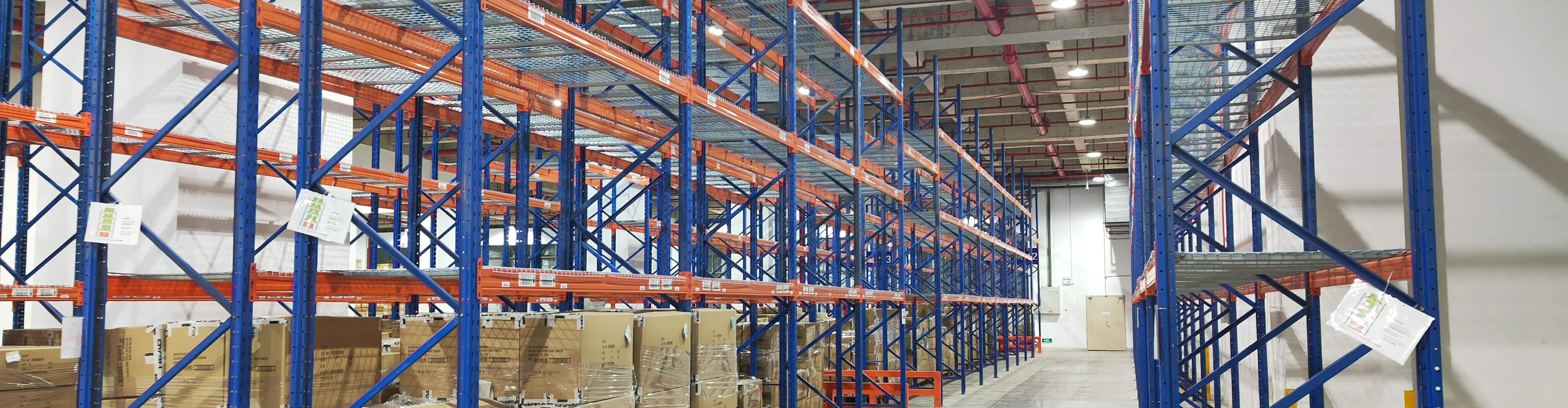
Heavy duty warehouse racking costs vary widely because the final price depends less on the rack itself and more on the full storage plan behind it. In most projects, cost is shaped by rack type, load requirements, bay size, beam levels, warehouse height, aisle layout, floor condition, installation scope, and whether the system is new or used.
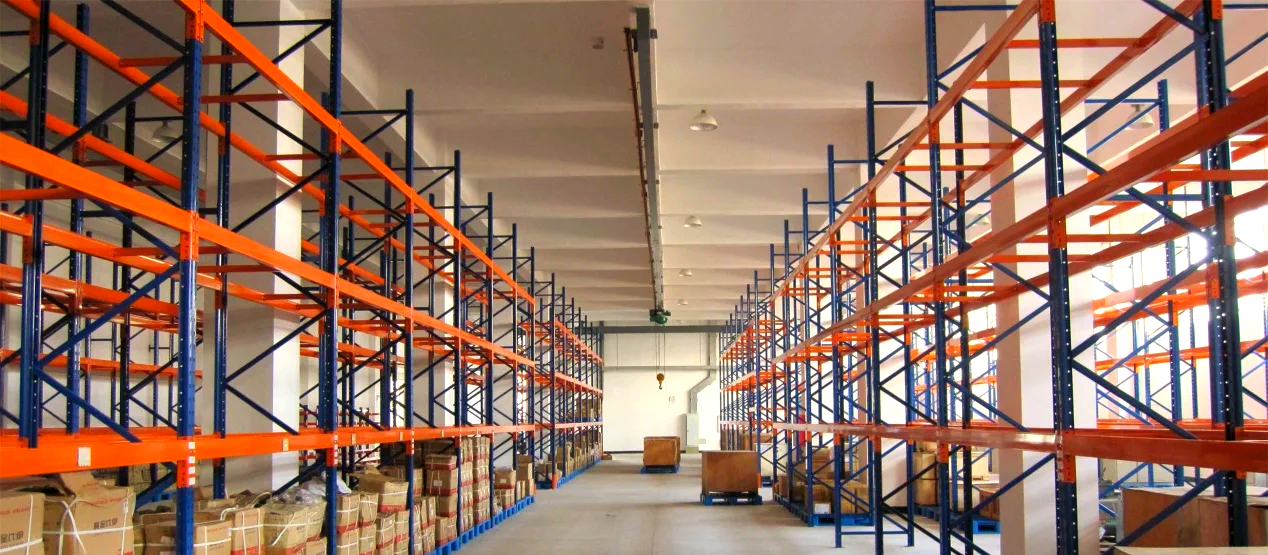
For buyers comparing options, the practical answer is this: heavy duty warehouse racking is usually priced as a complete system rather than a simple per-unit product. A low initial quote may exclude key items such as row spacers, base plates, anchors, column protection, load notices, installation, or layout design. That is why two quotations for what looks like the same racking can differ significantly.
This guide explains what drives cost, where budgets often go wrong, and how to evaluate heavy duty warehouse racking in a way that supports both storage performance and long-term operating efficiency.
What buyers are really paying for in heavy duty warehouse racking
When people ask how much heavy duty warehouse racking costs, they often mean one of three things:
- The price of the steel structure itself
- The installed project cost for a complete warehouse area
- The total ownership cost over years of use, maintenance, damage, and expansion
All three matter. A system with a lower upfront price may become more expensive if it reduces forklift efficiency, creates unusable pallet positions, or suffers frequent impact damage in narrow aisles.
In practical warehouse planning, cost should be reviewed across these categories:
- Rack materials: uprights, beams, bracing, connectors, safety pins
- Configuration: bay widths, frame depths, number of levels, load capacity
- Accessories: wire decking, support bars, pallet supports, row spacers, guards
- Site conditions: slab quality, levelling needs, anchor requirements, obstructions
- Installation: unloading, assembly, anchoring, alignment, load signage
- Operational fit: aisle width, truck type, pallet overhang, picking access
- Lifecycle factors: inspections, repairs, modifications, future expansion
Main cost factors that affect heavy duty warehouse racking prices
1. Rack type and storage layout
Not all heavy duty warehouse racking is the same. Standard selective pallet racking is usually the most straightforward option to price and install. Systems such as drive-in racking, double deep racking, narrow aisle layouts, push back racking, or very tall installations often cost more because they require different engineering, more precise installation, or tighter operating tolerances.
If your warehouse needs direct access to many SKUs, selective racking may offer better value even if storage density is lower. If floor space is limited and inventory is lower-SKU, a denser system may improve space utilization but increase both rack cost and forklift handling complexity.
2. Load capacity
The heavier the pallet loads, the more robust the rack components need to be. Higher capacity usually means heavier uprights, stronger beams, and sometimes different frame spacing or reinforcement. Buyers should be careful not to compare quotations without checking the rated load per level and per bay.
A cheaper quotation may simply reflect a lighter-duty design that is not suitable for the intended pallet weight or beam span.
3. Rack height
Taller heavy duty warehouse racking often costs more per pallet position because higher frames require more steel, more careful installation, and closer attention to floor flatness and truck suitability. Height can improve cubic utilization, but only if your forklifts, pallet quality, fire protection setup, and operating discipline can support it.
In some warehouses, adding height looks economical on paper but creates slower put-away and retrieval if lift trucks are not matched to the new top beam level.
4. Beam levels and storage density
More beam levels increase storage capacity, but they also increase steel quantity, installation time, and loading complexity. The right number of levels depends on clear height, pallet height consistency, sprinkler clearance, and handling method.
Trying to force in an extra level can reduce practical usability if forklift operators have too little clearance for safe pallet placement.
5. Bay dimensions and pallet size
Costs change based on frame depth, beam length, and the number of pallets stored per bay. A system designed for standard pallets may be more economical than one built around unusual pallet footprints, inconsistent load overhang, or non-standard goods.
Before pricing heavy duty warehouse racking, confirm:
- Pallet dimensions including overhang
- Maximum loaded pallet weight
- Load type and stability
- Whether pallets are all the same height
- Whether goods are handled full pallet or partly picked
These details affect both component selection and layout efficiency.
6. New versus used racking
Used heavy duty warehouse racking can reduce initial purchase cost, but buyers need to assess compatibility, condition, missing parts, and future support. Mixed components from different systems can create problems with fit, safety accessories, and replacement availability.
Used racking may be suitable for some budget-driven projects, but it is less attractive when the layout needs to be highly optimized, expanded later, or standardized across multiple sites.
7. Installation complexity
Installation cost is often underestimated. A clear, empty building with good floor access is much cheaper to rack out than an operating warehouse with restricted access, phased work, night installation, or removal of old systems.
Installation pricing can also rise if the project includes:
- Work around live operations
- Precise setting out around columns, doors, or docks
- Seismic or local anchoring requirements
- Rack protection barriers and end-of-aisle guarding
- Integration with mezzanines or conveyor areas
Cost by project scope: why simple price comparisons can mislead
The cost of heavy duty warehouse racking should be compared on a like-for-like basis. A quotation based only on frames and beams is not equivalent to a quotation for a ready-to-use installed system.
When reviewing offers, ask whether the price includes:
- Site measure or layout support
- Load calculations and configuration review
- Frames, beams, and connectors
- Anchors, shims, and fixing hardware
- Safety locks and load notices
- Column guards or upright protection
- Decking or pallet support accessories if needed
- Delivery and unloading
- Installation and final alignment
This is where many buyers get caught by low headline pricing. The rack may look inexpensive until essential accessories and site work are added back in.
How to evaluate heavy duty warehouse racking cost per pallet position
For budgeting, cost per pallet position is usually a more useful metric than cost per bay or per frame. It helps buyers compare different layouts on a storage-efficiency basis.
However, this figure should be used carefully. A lower cost per pallet position is not automatically better if it creates poor accessibility, difficult stock rotation, or slower truck movement.
When comparing heavy duty warehouse racking options, review:
- Net pallet positions: usable locations, not theoretical maximums
- Accessibility: direct access versus denser but less selective storage
- Travel efficiency: aisle count, turning space, replenishment routes
- Damage risk: tight layouts may increase impact and repair costs
- Future changes: can the system be extended or reconfigured later?
A layout with slightly higher rack cost may deliver lower operating cost if it improves throughput and reduces handling delays.
Common mistakes that increase heavy duty warehouse racking cost
Buying before confirming pallet and forklift details
Heavy duty warehouse racking must match real handling conditions. If pallet dimensions, load weights, or truck turning requirements are guessed too early, the result may be a layout that needs costly modification later.
Choosing density over usability
Dense storage systems can reduce floor space pressure, but they are not always the most economical choice. If the warehouse carries many SKUs or needs frequent direct access, a denser configuration can create inefficiency that outweighs the space saving.
Ignoring floor condition
Poor slab condition can add unexpected cost through levelling, shimming, anchoring challenges, or restrictions on rack height. A warehouse with an uneven floor may need additional installation time and tighter planning.
Under-specifying protection
In busy forklift environments, upright guards and end-of-aisle protection are not optional extras in practical terms. Skipping them may reduce initial spend, but recurring impact damage can quickly make the system more expensive to own.
Leaving no room for expansion
A system designed only for current volume may become costly if the warehouse needs extra levels, additional bays, or a revised aisle plan later. Expansion planning should be part of the original buying decision.
Operational factors that influence long-term cost
The purchase price of heavy duty warehouse racking is only one part of the financial picture. Day-to-day warehouse use affects the real cost over time.
Forklift type and aisle width
Counterbalance trucks, reach trucks, and very narrow aisle equipment all place different demands on layout and clearance. A tighter aisle may increase storage capacity but can also require more specialized trucks or stricter operator discipline.
Pallet quality
Damaged or inconsistent pallets can cause beam impact, poor placement, and unstable loads. If pallet quality is unreliable, a more forgiving rack setup may be worth the extra cost.
Inspection and maintenance
All heavy duty warehouse racking should be checked routinely for impact damage, missing safety locks, beam deflection concerns, anchor issues, and unauthorized modifications. Small issues are usually cheaper to correct early than after repeated use.
Stock profile changes
A warehouse that later shifts from full-pallet storage to mixed picking may need accessories, mesh decks, carton flow additions, or altered beam spacing. Planning for that possibility early can avoid expensive rework.
How to budget for heavy duty warehouse racking more accurately
If you are requesting quotations, prepare a clear project brief. Better input usually leads to more realistic pricing and fewer revisions.
A useful brief should include:
- Building dimensions and clear height
- Column grid, doors, docks, and fixed obstructions
- Floor condition if known
- Pallet size, weight, and height range
- Number of pallet positions required
- SKU count and stock rotation method
- Forklift type and operating aisle preference
- Whether picking will happen from lower levels
- Need for protection, decking, or special accessories
- Installation timing and site restrictions
This information helps suppliers price the right heavy duty warehouse racking solution instead of giving a rough figure that changes later.
When a lower-cost racking option may not be the better choice
The cheapest heavy duty warehouse racking option is not always the most economical once the warehouse is running. A lower price may come with compromises such as:
- Reduced pallet accessibility
- Lower tolerance for pallet variation
- Less efficient replenishment
- Higher damage exposure in tight aisles
- Harder future expansion due to non-standard configuration
- Missing accessories that must be added later
For many operations, the right question is not simply “What does the rack cost?” but “What does this layout cost to operate safely and efficiently over the next several years?”
FAQ about heavy duty warehouse racking cost
Is heavy duty warehouse racking priced per bay or per pallet position?
It can be quoted either way, but pallet position is often better for comparing layout efficiency. Bay pricing alone can be misleading if beam levels, capacities, or accessories differ.
Does taller racking always reduce cost per pallet?
Not always. Taller systems can improve space use, but they may require different trucks, more precise installation, and better floor conditions. If operations slow down, the savings may be less than expected.
Is used heavy duty warehouse racking worth considering?
It can be, especially for budget-sensitive projects, but condition, compatibility, missing parts, and future expansion support should be checked carefully before purchase.
What hidden costs should buyers watch for?
Common extras include anchors, shims, guards, decking, delivery, unloading, installation, signage, and layout revisions caused by inaccurate site information.
Conclusion
Heavy duty warehouse racking cost depends on much more than steel price. The real budget is shaped by load requirements, rack height, layout efficiency, installation conditions, protection needs, and how well the system fits daily warehouse operations.
If you want accurate pricing, define the warehouse workflow first and the rack configuration second. That approach usually leads to better quotations, fewer surprises during installation, and a heavy duty warehouse racking system that performs properly over the long term.