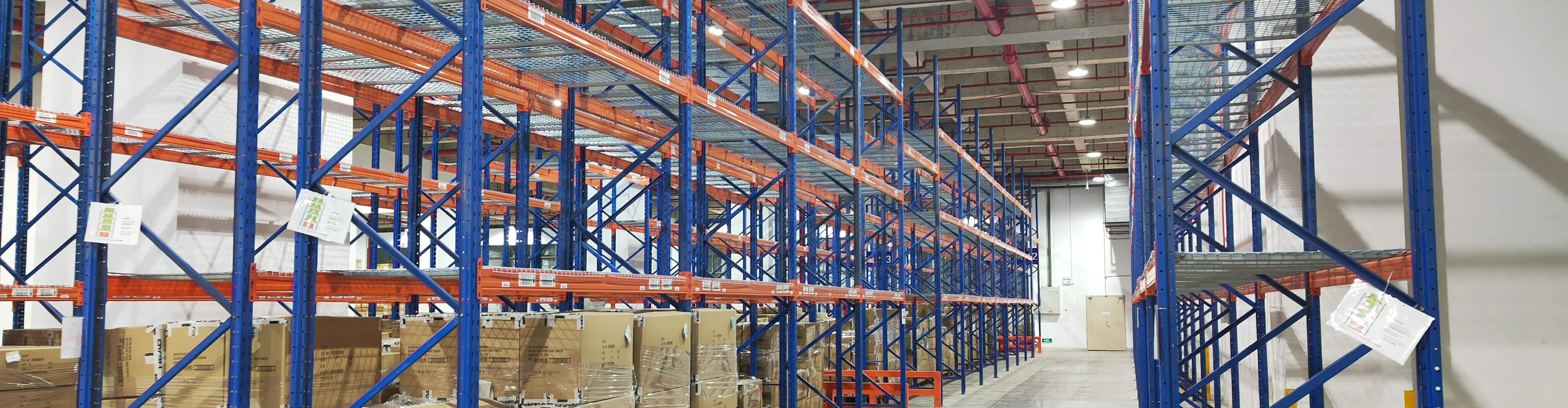
Heavy Duty Racking is designed to support large loads, improve warehouse efficiency, and ensure safe storage. Understanding how much weight Heavy Duty Racking can hold is essential for warehouse planning, safety compliance, and long-term performance. While capacities vary between systems, several important factors determine the final load rating.
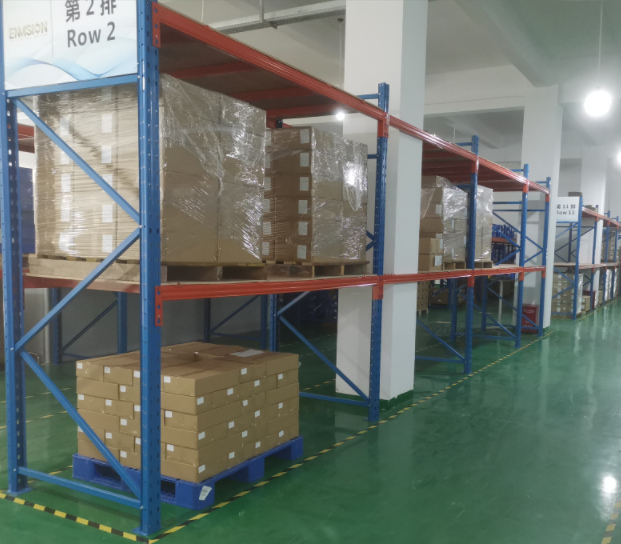
What Determines the Weight Capacity of Heavy Duty Racking?
The weight capacity of Heavy Duty Racking depends on multiple components.
Each part of the system plays a role.
Small changes can make a big difference.
Key factors include:
- Upright frame strength
- Beam thickness and design
- Steel grade and material quality
- Rack height and configuration
- Load distribution and pallet type
Because of these variables, Heavy Duty Racking can support anywhere from 1,000 kg to over 5,000 kg per level, depending on its construction.
Average Weight Capacity for Heavy Duty Racking
Most modern Heavy Duty Racking systems feature high-strength steel and solid welding.
In typical warehouse environments, the average capacities are:
- 1,000–3,000 kg per level for standard heavy duty shelves
- Up to 5,000 kg per level for reinforced pallet racking
- Over 12,000 kg total load for large multi-level systems
These numbers provide general guidance.
Actual capacity must be verified using manufacturer data and load test results.
How Beam Strength Affects Heavy Duty Racking Capacity
Beams carry the weight of pallets and goods.
Their structure directly affects how much weight Heavy Duty Racking can hold.
Important beam considerations:
- Box beams often support heavier loads.
- Step beams are common in pallet racking.
- Longer beams reduce capacity due to increased bending stress.
- Thicker beams increase load-bearing strength.
A small change in beam size can impact Heavy Duty Racking capacity by hundreds of kilograms.
How Upright Frames Influence Overall Load
Upright frames support vertical pressure and the total weight of all rack levels.
Strong frames are essential for safe Heavy Duty Racking operation.
Frame load capacity depends on:
- Steel thickness
- Bracing pattern
- Weld quality
- Overall height
A higher frame usually supports less weight per level because the load is distributed across a larger structure.
The Role of Pallet Type and Load Distribution
Even the strongest Heavy Duty Racking can lose capacity if loads are not placed correctly.
Good load distribution protects the system and extends its lifespan.
Important considerations:
- Use standard pallets for stable support.
- Avoid uneven weight on one side of the rack.
- Ensure pallet loads do not exceed rack beam width.
Proper loading can increase Heavy Duty Racking safety and efficiency.
Safety Standards for Heavy Duty Racking
Warehouses must follow industry standards.
These ensure Heavy Duty Racking systems remain safe and reliable.
Common standards include:
- OSHA guidelines
- FEM racking design codes
- Local engineering certifications
Certified Heavy Duty Racking will always include a load capacity label for easy reference.
How to Increase the Weight Capacity of Heavy Duty Racking
If your warehouse requires more strength, several strategies can improve capacity:
- Add heavier beams
- Upgrade to stronger upright frames
- Install row spacers for extra stability
- Use floor anchors for better structural support
- Add wire decking or steel panels to improve load distribution
These upgrades help Heavy Duty Racking systems handle greater weight safely.
Why Choosing the Right Heavy Duty Racking Matters
Selecting the proper Heavy Duty Racking capacity prevents accidents, protects inventory, and optimizes space.
Under-sized racking can lead to dangerous collapse.
Over-designed racking increases cost unnecessarily.
A balanced approach ensures:
- Safety
- Durability
- Efficient storage
- Better warehouse flow
The right Heavy Duty Racking system supports growth and long-term operations.
Conclusion
So, how much weight can Heavy Duty Racking hold?
The answer depends on the rack design, material quality, and load distribution.
In general, Heavy Duty Racking supports 1,000 to over 5,000 kg per level, making it ideal for warehouses, factories, and logistics centers.
Understanding these factors helps you choose the right system and ensures a safe working environment.