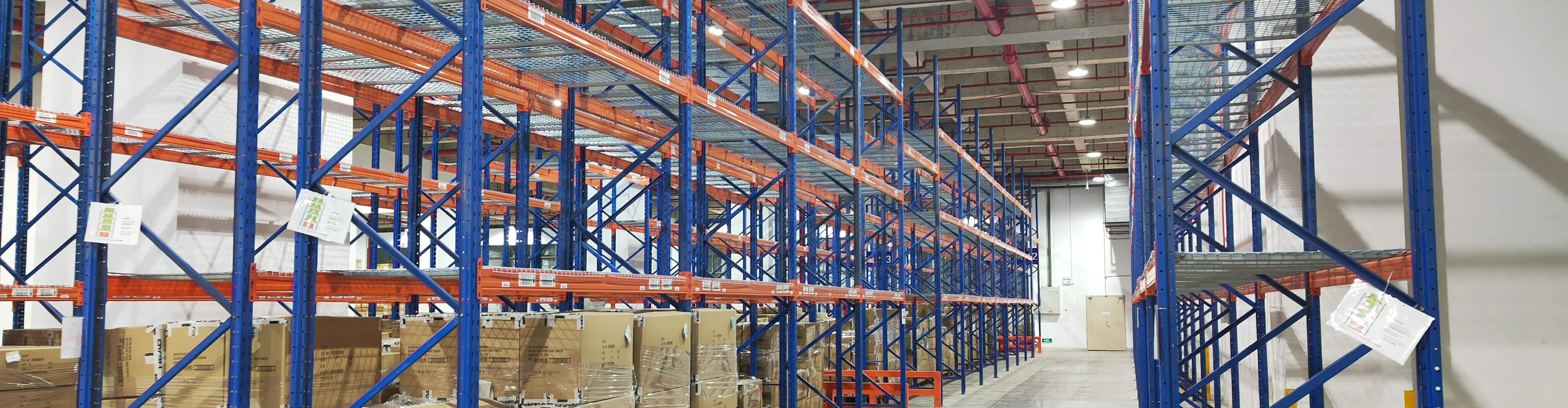
Choosing heavy-duty storage racking starts with a practical question: what exactly needs to be stored, handled, and accessed in the available space? Many buying mistakes happen when companies choose a rack system by load capacity alone and overlook daily workflow, forklift movement, pallet size variation, floor condition, future growth, or picking needs. A suitable system should match the building, the inventory, and the way operators actually work.
For most warehouses, workshops, distribution facilities, and industrial storage areas, the right decision comes down to six factors: load type, usable building height, aisle layout, handling equipment, storage density requirements, and expansion plans. Once those are clear, it becomes much easier to decide whether a standard selective layout is enough or whether a denser or more specialized configuration is needed.
What Heavy-Duty Storage Racking Means in Practical Terms
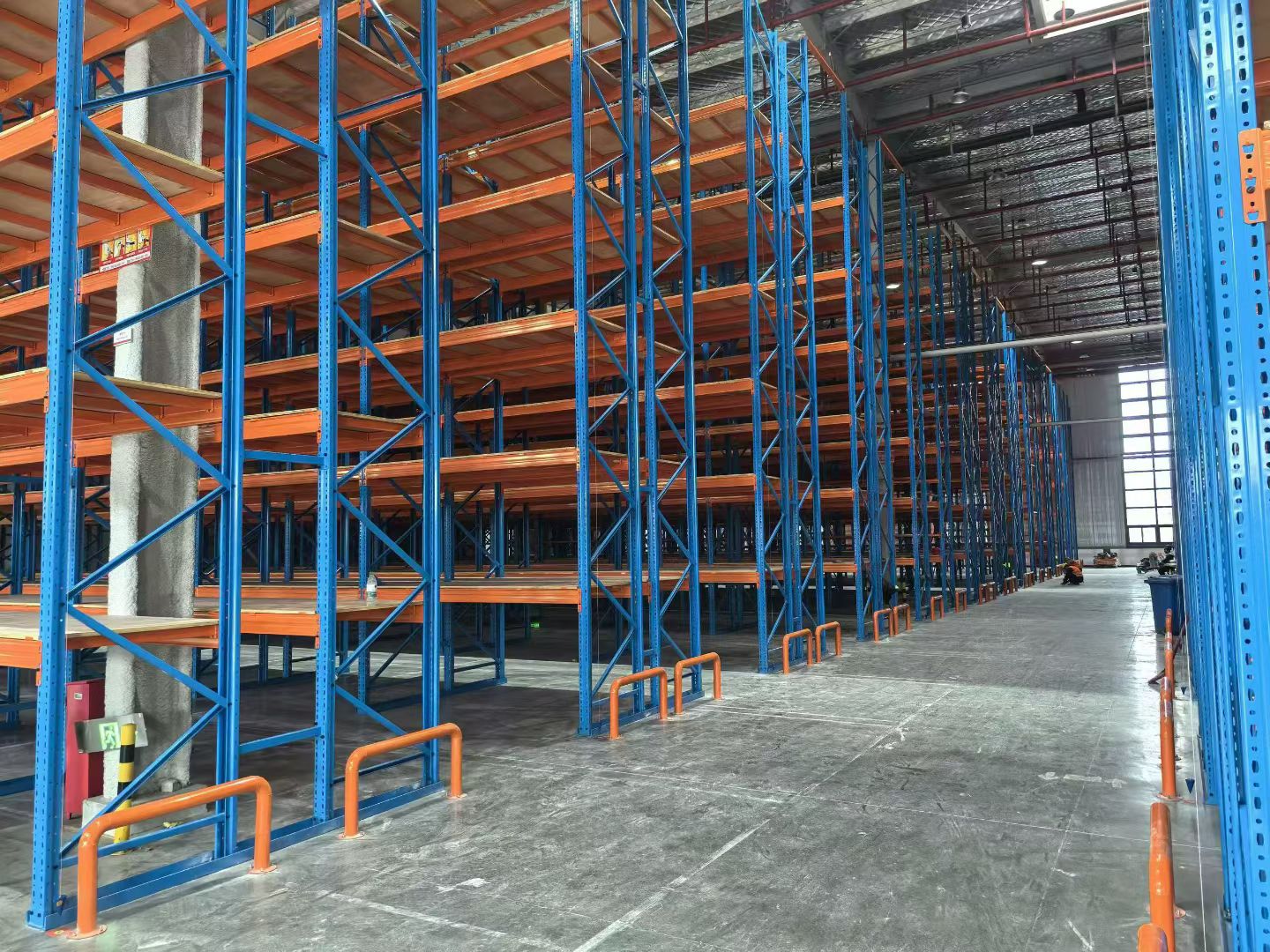
Heavy-duty storage racking generally refers to industrial racking systems designed to store heavy palletized goods, bulky materials, or high-load inventory in a structured vertical layout. In real warehouse use, this usually means steel uprights, beams, bracing, and decking or pallet supports arranged to carry substantial loads safely while allowing mechanical handling.
It is commonly used for finished goods, raw materials, spare parts, packaging stock, oversized cartons, and palletized products. However, not every heavy-duty application needs the same rack style. A warehouse storing many fast-moving SKUs has different requirements from one storing large volumes of the same pallet for reserve stock.
That is why selection should be based on operation, not just product category. A strong rack that does not fit the workflow can reduce efficiency, create congestion, and make stock control harder.
Start With the Real Conditions of Your Space
Before comparing rack options, assess the storage environment itself. The physical space sets limits on what can be installed and how efficiently it can be used.
1. Clear Height Matters More Than Overall Building Height
Many buyers look at roof height and assume all of it is usable. In practice, the usable height may be reduced by lighting, sprinklers, ventilation ducts, doors, or safety clearance requirements. If the clear height is limited, very tall racking may not deliver the expected storage gain. In lower buildings, a well-planned medium-height layout with good access can outperform an over-ambitious vertical design.
2. Floor Condition Affects Safety and Installation Quality
Heavy-duty racks depend on the floor for stability. Uneven slabs, damaged concrete, low floor load tolerance, or poor anchoring conditions can create installation and safety issues. If the floor is not suitable, the rack may need shimming, reinforcement, or layout changes. This is often missed in early planning and can delay a project.
3. Column Positions, Doors, and Turning Areas Shape the Layout
Internal columns, dock access, fire exits, and forklift turning zones all reduce usable storage space. A layout that looks efficient on paper may create blocked aisles or poor travel paths once these real obstacles are accounted for. The best approach is to evaluate the full operational footprint, not just the open floor area.
Match the Racking System to the Inventory Profile
The next decision point is what will actually be stored. This is where many racking projects succeed or fail.
Load Size and Pallet Consistency
If pallet sizes and load heights are consistent, rack planning is more straightforward. If the warehouse handles mixed pallet sizes, irregular loads, damaged pallets, or non-standard packaging, the beam spacing and level design need more attention. Inconsistent loads often reduce actual storage efficiency because more clearance is required for safe placement and retrieval.
SKU Count and Selectivity
If the operation has many SKUs and frequent order picking, direct access becomes more important than pure storage density. In that case, selective pallet racking is often the most practical choice because each pallet position remains accessible. By contrast, if the warehouse stores fewer SKUs in larger quantities, denser systems may make better use of space.
Inventory Rotation Method
It is also important to understand whether stock is managed on a FIFO or LIFO basis. Some dense storage systems make stock rotation more difficult. If product shelf life, batch control, or traceability is important, the rack layout should support that operational requirement rather than fight against it.
Compare Access Needs With Storage Density Goals
One of the most important trade-offs in heavy-duty storage racking selection is access versus density. Warehouses often want both, but in practice there is usually a compromise.
- Selective pallet racking offers direct access to each pallet and is easier to manage for mixed inventory, frequent replenishment, and daily picking.
- Drive-in or high-density systems increase storage capacity in the same footprint but reduce selectivity and can demand tighter operating discipline.
- Double-deep or denser aisle strategies may improve capacity but usually require suitable handling equipment and experienced drivers.
- Long-span or shelf-based heavy-duty systems may suit hand-loaded bulky items better than pallet rack in some applications.
For many operations, the correct answer is not the densest system. If operators spend too much time locating, moving, or rehandling stock, the apparent space savings may be offset by labor inefficiency and slower throughput.
Consider Forklift Type, Aisle Width, and Daily Traffic
Racking should never be chosen independently from material handling. The type of forklift or reach equipment in use directly affects aisle width, rack height, beam positioning, and safety risk.
Counterbalance forklifts generally require wider aisles. Reach trucks can reduce aisle width and improve vertical use of space, but only if the floor condition and operator capability support that. Very narrow aisle solutions can improve storage density, but they are usually less forgiving if the business has variable loads, mixed operators, or limited maintenance support.
Traffic flow also matters. If receiving, replenishment, and dispatch all pass through the same aisle network, congestion can become a daily issue. A rack system that maximizes storage positions but creates poor movement paths may lower overall warehouse performance. In busy facilities, it is often better to sacrifice a small amount of capacity to keep forklift travel safer and faster.
Choose a Rack Configuration That Fits the Operation
Different operations need different forms of heavy-duty storage racking. The right choice depends on how goods move, how often they are touched, and how much flexibility the site needs.
Selective Pallet Racking
This is usually the safest starting point for general warehouse use. It works well when SKU variety is high, access is important, and future adjustments are likely. It is easier to inspect, easier to reconfigure, and usually easier for teams to manage day to day.
It may be less space-efficient than dense systems, but it often performs better in warehouses where order access, inventory visibility, and operational flexibility matter more than maximum pallet count.
Drive-In or Block-Style Dense Storage
This can work well for large quantities of similar pallets with lower SKU variety. It uses space efficiently, but it demands consistent load handling and close attention to rack condition because equipment operates within the structure. It is less suitable where stock rotation is strict or where frequent access to many product lines is required.
Heavy-Duty Shelving or Long-Span Systems
These are often better for bulky hand-loaded items, cartons, tools, or parts that are too heavy for standard shelving but do not need pallet rack access. They can support mixed picking operations well, especially in back-of-house industrial storage areas or spare parts rooms.
Mezzanine-Supported or Multi-Level Solutions
Where floor area is limited but ceiling height is available, it may be worth considering a mezzanine or multi-tier strategy alongside racking. This can be effective for picking-intensive operations, but it adds planning complexity and should only be chosen when traffic flow, load distribution, and access requirements are well understood.
Load Capacity Is Essential, but It Is Not the Whole Decision
Buyers often focus first on how much weight the rack can hold. That is necessary, but capacity alone does not make a system suitable. The real question is whether each beam level, bay, and frame configuration matches the actual load pattern, pallet condition, and handling method.
Over-specifying can increase cost without improving operational value. Under-specifying creates obvious risk. The aim is to match the rack to realistic working loads, with clear load labeling and consistent loading practice. It is also important to consider whether loads may change later. A business storing lighter finished goods today may shift to denser or heavier stock later, and the original layout may then become restrictive.
Think About Inspection, Damage Risk, and Maintenance Access
Well-chosen heavy-duty storage racking should be practical to inspect and maintain. In real warehouses, damage often comes from forklift impact, poor pallet quality, overloaded beam levels, missing safety pins, or neglected anchors.
When choosing a layout, ask simple maintenance questions:
- Can staff easily see and inspect uprights, beams, and anchors?
- Is there enough clearance to avoid frequent impact?
- Will protectors or barriers be needed in high-traffic areas?
- Can damaged components be replaced without major disruption?
- Will housekeeping around the rack be manageable?
A denser configuration can improve capacity, but it may also make damage detection harder and reduce maintenance access. For operations with limited supervision or mixed driver skill levels, a more forgiving layout may be the better commercial decision over time.
Plan for Growth Instead of Buying Only for Today
One of the most common mistakes is selecting racking only for current stock volume. In practice, product lines change, SKU counts expand, and picking profiles shift. A layout that is full shortly after installation creates operational pressure and usually costs more to correct later.
Reasonable expansion planning does not mean overspending on unnecessary structure from the start. It means leaving room for logical extension, additional bays, or future layout changes where possible. Flexibility is especially valuable in growing warehouses, third-party logistics environments, and facilities with seasonal demand swings.
If future automation, additional forklifts, or changed inventory profiles are possible, the initial rack decision should not block those options.
Common Selection Mistakes to Avoid
- Choosing by price alone: the lowest initial cost may create higher labor cost, lower usable capacity, or more damage risk.
- Ignoring pallet quality: weak or inconsistent pallets can undermine a technically sound rack design.
- Overestimating usable height: building constraints often reduce real storage height.
- Using dense storage for high-SKU operations: this often creates poor access and excessive rehandling.
- Underestimating aisle requirements: forklift turning and safe clearance need real space.
- Skipping future planning: a system with no flexibility can become a constraint very quickly.
- Neglecting inspection access: if staff cannot see damage early, maintenance problems grow.
A Practical Step-by-Step Selection Process
1. Measure the Real Usable Space
Record clear height, column positions, door openings, traffic routes, and floor condition.
2. Define the Inventory Profile
List pallet sizes, load weights, SKU count, stock rotation needs, and whether access is full-pallet or picking-based.
3. Review Equipment and Workflow
Check forklift type, aisle needs, replenishment routes, dispatch flow, and congestion points.
4. Decide the Priority Balance
Choose whether the operation values direct access, high density, flexibility, or growth potential most.
5. Compare Suitable Rack Types
Evaluate which system aligns with the actual operation, not just the available floor area.
6. Include Safety and Maintenance in the Decision
Consider protection, inspection visibility, component replacement, and loading discipline from the start.
7. Leave Room for Change
Where possible, choose a layout that can adapt as volumes, SKUs, or workflows change.
FAQ
What is the most versatile type of heavy-duty storage racking?
For many warehouses, selective pallet racking is the most versatile because it offers direct pallet access, supports mixed SKUs, and is easier to adjust as storage needs change.
How do I know if high-density racking is worth it?
It is usually worth considering when you store larger quantities of fewer SKUs and want to maximize capacity in a limited footprint. It is less attractive when product access, picking speed, or strict stock rotation matters more.
Does ceiling height automatically mean I should go taller?
No. Clear height, lifting equipment, floor condition, fire clearance, and daily handling efficiency all affect whether taller racking is practical.
Should I plan for future expansion when buying racking?
Yes. Even if the initial installation is sized for current demand, the layout should ideally allow for additional bays, revised aisle planning, or changed storage patterns later.
Conclusion
The right heavy-duty storage racking choice is not simply the one with the highest load rating or the greatest pallet count on paper. It is the system that fits the building, supports the workflow, suits the inventory profile, and remains safe and manageable in daily operation. A good decision balances capacity, accessibility, equipment use, maintenance practicality, and future flexibility. When those factors are evaluated together, buyers are far more likely to choose a racking solution that works well over time rather than one that only looks efficient at the quotation stage.